


Knitting Kits: A Complete Guide to Simplifying the Knitting Experience
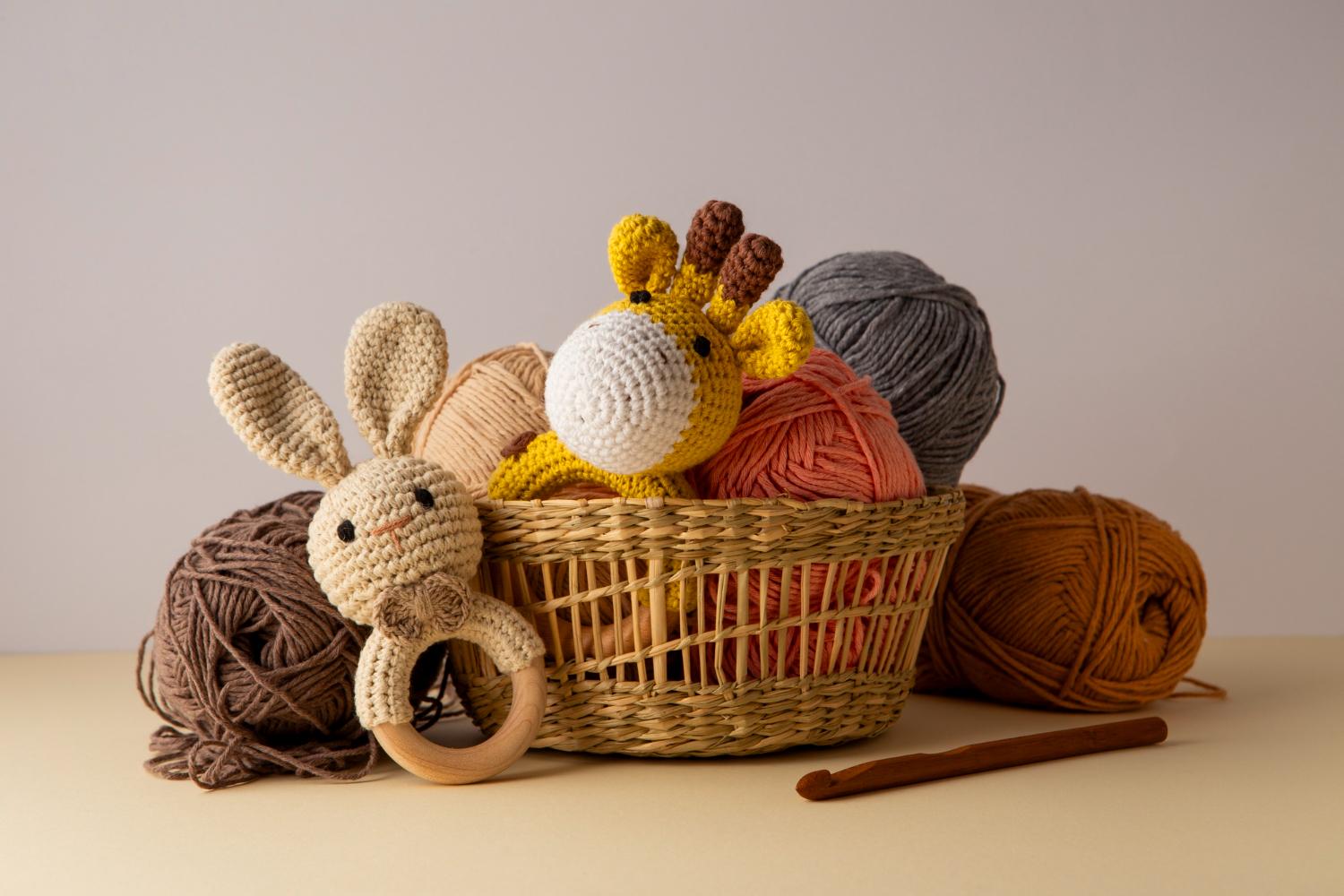
Knitting has long been a popular craft that combines creativity, skill, and relaxation. As more individuals explore fiber arts, knitting kits have become an increasingly common way to begin and complete projects. Designed to provide the essential materials needed for a specific project, knitting kits help streamline the crafting process and make knitting more accessible to people of all experience levels.
Whether someone is learning basic stitches or working on a more advanced project, knitting kits offer a structured approach that can simplify planning and preparation. Understanding the purpose and components of knitting kits can help crafters determine how these collections of materials support successful knitting experiences.
What Are Knitting Kits?
Knitting kits are packaged sets that contain the materials and instructions needed to complete a knitting project. Instead of gathering supplies individually, crafters receive the necessary components in one organized package.
A typical knitting kit may include:
- Yarn
- Knitting needles
- Pattern instructions
- Stitch markers
- Tapestry needles
- Additional project-specific accessories
The contents vary depending on the project type and intended skill level. Some kits are designed for beginners, while others focus on more advanced knitting techniques.
Why Knitting Kits Are Popular
One reason knitting kits have gained popularity is their convenience. Selecting the correct yarn, needles, and pattern can be challenging, especially for beginners. A knitting kit removes much of the guesswork by providing coordinated materials that work together.
Many crafters appreciate the simplicity of having everything needed for a project in a single package. This approach reduces preparation time and allows individuals to focus more on the creative aspects of knitting.
Additionally, knitting kits can help introduce new techniques by presenting projects in a structured and manageable format.
Components Commonly Found in Knitting Kits
Although contents vary, most knitting kits include several essential elements that support project completion.
Yarn
Yarn is the primary material in any knitting project. The amount included in a kit is typically calculated to match the pattern requirements.
Different kits may contain:
- Wool yarn
- Cotton yarn
- Acrylic yarn
- Blended fibers
- Specialty textures
The selected yarn often aligns with the intended appearance and function of the finished project.
Knitting Needles
Many knitting kits include the recommended needle size required for the project. This helps ensure that crafters can achieve the correct gauge and dimensions.
Needles may be:
- Straight needles
- Circular needles
- Double-pointed needles
The choice depends on the project's construction method.
Pattern Instructions
A knitting kit typically includes detailed instructions that guide users through each step of the project.
Patterns often provide:
- Material lists
- Gauge information
- Stitch explanations
- Row-by-row directions
- Finishing instructions
These instructions serve as the roadmap for completing the project successfully.
Knitting Kits for Beginners
Beginners often benefit from knitting kits because they eliminate many of the decisions that can feel overwhelming when starting a new hobby.
Beginner-friendly kits frequently focus on simple projects such as:
- Scarves
- Dishcloths
- Basic hats
- Small blankets
These projects usually involve fundamental stitches and straightforward construction techniques. By following clear instructions and working with pre-selected materials, beginners can develop confidence while learning essential knitting skills.
Intermediate and Advanced Knitting Kits
While knitting kits are often associated with beginners, they are also available for more experienced knitters.
Intermediate and advanced kits may feature:
- Sweaters
- Cardigans
- Shawls
- Socks
- Decorative home accessories
These projects often introduce advanced techniques such as lace knitting, cables, colorwork, or garment shaping. The organized nature of a knitting kit allows experienced crafters to focus on technique rather than material selection.
Benefits of Using Knitting Kits
Knitting kits offer several advantages that appeal to a wide range of crafters.
Simplified Project Planning
One of the most significant benefits is reduced planning time. The materials and instructions are already matched to the project requirements.
Improved Material Coordination
Choosing compatible yarn and needle sizes can sometimes be difficult. Knitting kits provide materials selected specifically for the included pattern.
Learning Opportunities
Many knitters use kits to explore unfamiliar techniques and project types. The included guidance can make learning new skills less intimidating.
Greater Organization
Having all supplies in one package helps keep projects organized and reduces the likelihood of missing materials.
Choosing the Right Knitting Kit
Selecting an appropriate knitting kit depends on several factors.
Important considerations include:
- Skill level
- Project complexity
- Time commitment
- Yarn preferences
- Desired finished item
A beginner may prefer a simple project that introduces basic stitches, while a more experienced knitter may seek a kit that offers a technical challenge.
Carefully reviewing project details can help ensure that the kit aligns with individual goals and abilities.
Common Challenges with Knitting Kits
Although knitting kits offer convenience, some challenges may arise during the crafting process.
Examples include:
- Difficulty understanding pattern instructions
- Achieving the correct gauge
- Learning unfamiliar stitches
- Managing complex project construction
These challenges are not unique to knitting kits and are often part of the broader knitting learning experience. Patience and practice can help crafters overcome these obstacles and build confidence.
The Educational Value of Knitting Kits
Knitting kits serve as valuable educational tools. They provide structured opportunities to learn new techniques while completing practical projects.
Through repeated use, knitters may develop skills such as:
- Reading knitting patterns
- Understanding gauge
- Increasing and decreasing stitches
- Working in the round
- Finishing and assembling projects
The guided nature of knitting kits helps create a learning environment that supports gradual skill development.
The Future of Knitting Kits
As interest in crafting continues to grow, knitting kits are likely to remain an important part of the knitting community. Advances in digital resources, instructional materials, and project design may further enhance the user experience.
Many modern kits now incorporate visual guides and online learning resources that complement traditional written instructions. These additions make knitting more accessible to a broader audience while preserving the craft’s traditional foundations.
Conclusion
Knitting kits provide a practical and organized approach to knitting projects by combining materials, tools, and instructions into a single package. They support beginners who are learning the craft and offer experienced knitters opportunities to explore new techniques and designs. By simplifying project preparation and promoting skill development, knitting kits continue to play an important role in helping crafters enjoy the creative process of knitting from start to finish.

 English
 Arabic
 French
 Spanish
 Portuguese
 Turkish
 Dutch
Dutch
 Italiano
 Russian
 Romaian
 Portuguese (Brazil)
 Greek
Greek
