


MCP Server: The Foundation of Modern AI Integrations
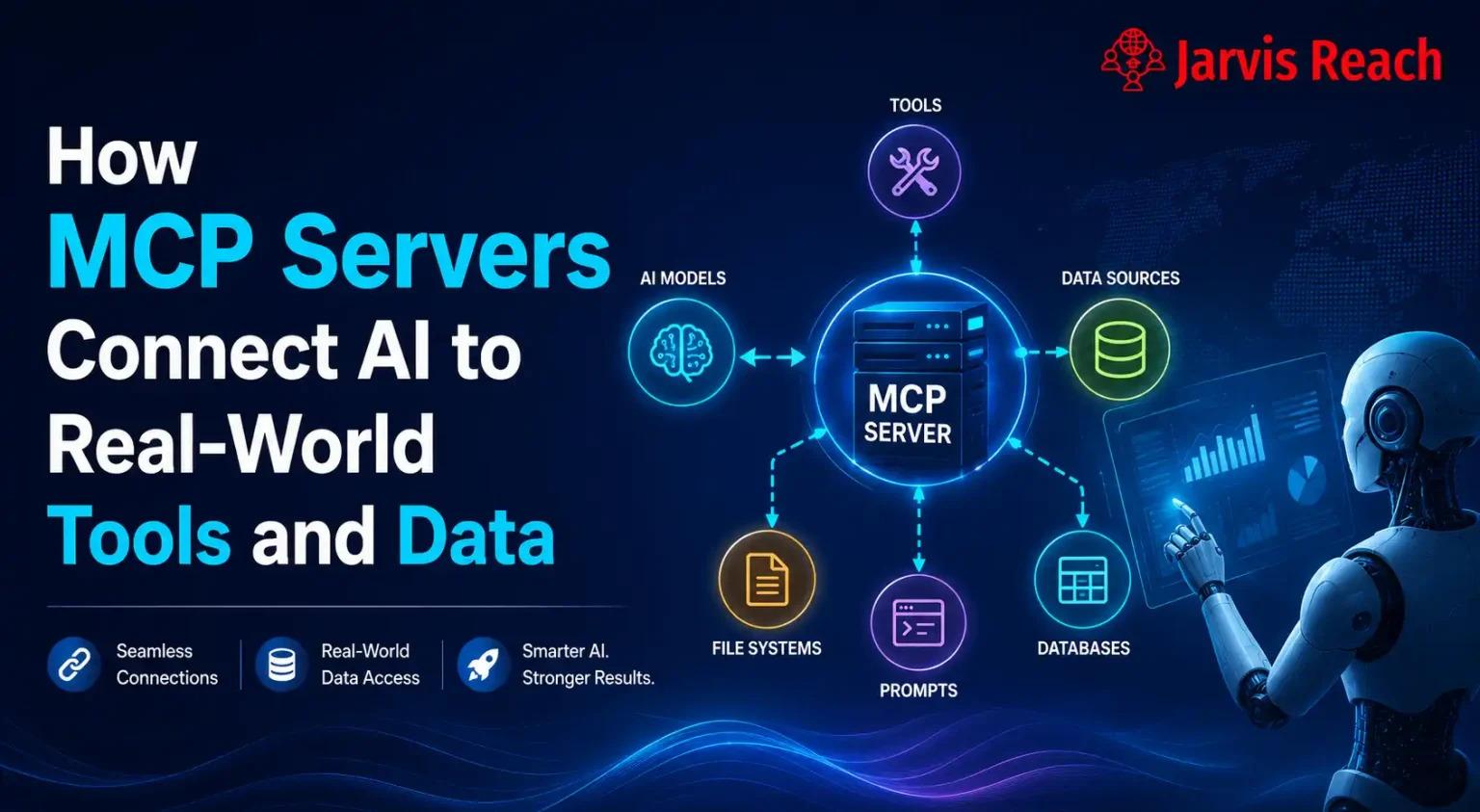
As artificial intelligence continues to evolve, organizations are looking for better ways to connect AI models with real-world tools, applications, and business systems. This is where an MCP Server plays a crucial role. MCP, or Model Context Protocol, provides a standardized framework that enables AI systems to communicate with external resources efficiently and securely.
What Is an MCP Server?
An MCP Server acts as a bridge between an AI platform and external resources such as APIs, databases, file systems, and enterprise applications. Instead of building custom integrations for every tool, developers can use a single protocol to connect AI models with various data sources.
This approach simplifies development while ensuring that AI systems have access to the information they need to perform complex tasks accurately.
How MCP Server Works
An MCP ecosystem typically consists of three main components:
MCP Client
The MCP Client sends requests from an AI application to the MCP Server. It acts as the communication layer between the language model and external systems. The client ensures that requests are properly formatted and routed to the correct destination.
MCP Server
The MCP Server receives requests from the client and connects to the appropriate resources. It manages communication, data retrieval, and response delivery while maintaining security and performance standards.
External Resources
These resources can include:
- APIs
- SQL databases
- Enterprise data systems
- File systems
- Custom backends
- Cloud applications
Together, these components create a seamless workflow for AI-powered applications.
Connecting AI to Enterprise Data
One of the biggest challenges for businesses is enabling AI models to access enterprise data securely. An MCP Server solves this problem by providing controlled access to company resources.
Organizations can connect:
- Customer relationship management systems
- Internal knowledge bases
- Document repositories
- Analytics platforms
- SQL databases
This allows AI assistants to retrieve accurate and up-to-date information without exposing sensitive data unnecessarily.
The Role of APIs and Data Sources
Modern businesses rely on multiple APIs and data sources. Managing separate integrations for each system can become complex and expensive.
An MCP Server simplifies this process by offering a unified interface for accessing:
- Third-party APIs
- Internal applications
- Cloud services
- Data warehouses
- Business intelligence platforms
As a result, developers spend less time maintaining integrations and more time building valuable AI experiences.
Stateless vs Stateful Architecture
Understanding stateless and stateful communication is important when working with MCP Servers.
Stateless Systems
A stateless MCP Server processes each request independently. It does not store information about previous interactions. This approach offers:
- Better scalability
- Easier deployment
- Improved reliability
Stateful Systems
A stateful MCP Server maintains context across multiple interactions. This allows applications to remember previous actions and conversations.
Benefits include:
- Enhanced user experiences
- Better workflow management
- Improved task continuity
Organizations can choose the approach that best matches their requirements.
Authentication and Security
Security remains a top priority when connecting AI systems to business resources. MCP Servers implement authentication mechanisms to ensure only authorized users and applications can access data.
Common authentication methods include:
- API keys
- OAuth tokens
- Role-based access controls
- Enterprise identity providers
These measures help protect sensitive information while maintaining seamless access for approved users.
Using Prompt Templates with MCP
Prompt templates help standardize interactions between AI models and external systems. By combining prompt templates with an MCP Server, organizations can create consistent workflows for common tasks.
Examples include:
- Customer support automation
- Document retrieval
- Data analysis requests
- Knowledge base searches
Prompt templates reduce errors and improve response quality across the organization.
Integrating File Systems and Backends
Many organizations store critical information in file systems and custom backends. An MCP Server enables AI applications to access these resources efficiently.
Examples include:
- PDF documents
- Internal reports
- Configuration files
- Project documentation
- Legacy business systems
This capability allows AI assistants to work with information that would otherwise remain inaccessible.
Why MCP Servers Matter for AI Platforms
As AI platforms become more sophisticated, the need for standardized integrations continues to grow. MCP Servers provide a scalable solution for connecting language models with real-world systems.
Key benefits include:
- Faster development cycles
- Simplified integrations
- Improved security
- Better access to enterprise data
- Enhanced scalability
- Reduced maintenance costs
These advantages make MCP Servers an essential component of modern AI infrastructure.
Conclusion
The MCP Server is transforming how AI applications interact with APIs, enterprise data, SQL databases, file systems, and other external resources. By creating a standardized communication layer between AI models and business systems, MCP enables organizations to build smarter, more capable applications.
Whether you're developing an AI platform, managing enterprise backends, implementing authentication workflows, or creating reusable prompt templates, adopting MCP can streamline integration efforts and unlock new opportunities for innovation.

 English
 Arabic
 French
 Spanish
 Portuguese
 Deutsch
 Dutch
Dutch
 Italiano
 Russian
 Romaian
 Portuguese (Brazil)
 Greek
Greek
