In global discussions about custom clothing and tailored garments, the term Bangkok tailor is often associated with the long-established tailoring industry found in Bangkok, the capital city of Thailand. The concept refers broadly to tailoring services available in this region, where custom-made clothing is produced based on individual measurements, fabric selection, and design preferences. In the context of international fashion and garment production, Bangkok has become widely recognized for its tailoring ecosystem, which has developed over decades due to a combination of craftsmanship traditions and demand from both local and international customers.
The idea of a Bangkok tailor is not limited to a single type of service or style. Instead, it represents a broad category of tailoring practices that include the creation of suits, shirts, dresses, formal wear, and traditional garments. These services are typically associated with made-to-measure clothing, where garments are constructed based on precise body measurements rather than standard sizing systems. This approach allows for greater personalization and adjustment compared to mass-produced clothing.
Historical and Cultural Context of Tailoring in Bangkok
The tailoring industry in Bangkok has evolved alongside the city’s development as a major urban and commercial center. Over time, the demand for custom clothing grew due to increasing international travel, business activity, and cultural exchange. As a result, tailoring practices in the city expanded to accommodate diverse preferences in fabric, style, and fit.
Tailoring in this region is influenced by both traditional garment-making techniques and modern fashion trends. Historically, skilled artisans focused on manual measurement, cutting, and stitching processes, often passed down through generations. As international influence increased, tailoring methods adapted to include contemporary silhouettes, Western-style suits, and updated fabric technologies.
The Process Associated with a Bangkok Tailor
The typical process associated with a Bangkok tailor begins with an initial consultation, during which measurements are taken and style preferences are discussed. This step is essential because it determines the structure and fit of the final garment. Measurements are often detailed, covering multiple parts of the body to ensure accuracy.
After measurements are recorded, fabric selection becomes a key part of the process. A wide range of materials may be used, including cotton, wool, linen, and synthetic blends. The choice of fabric influences not only the appearance of the garment but also its durability, comfort, and suitability for different climates.
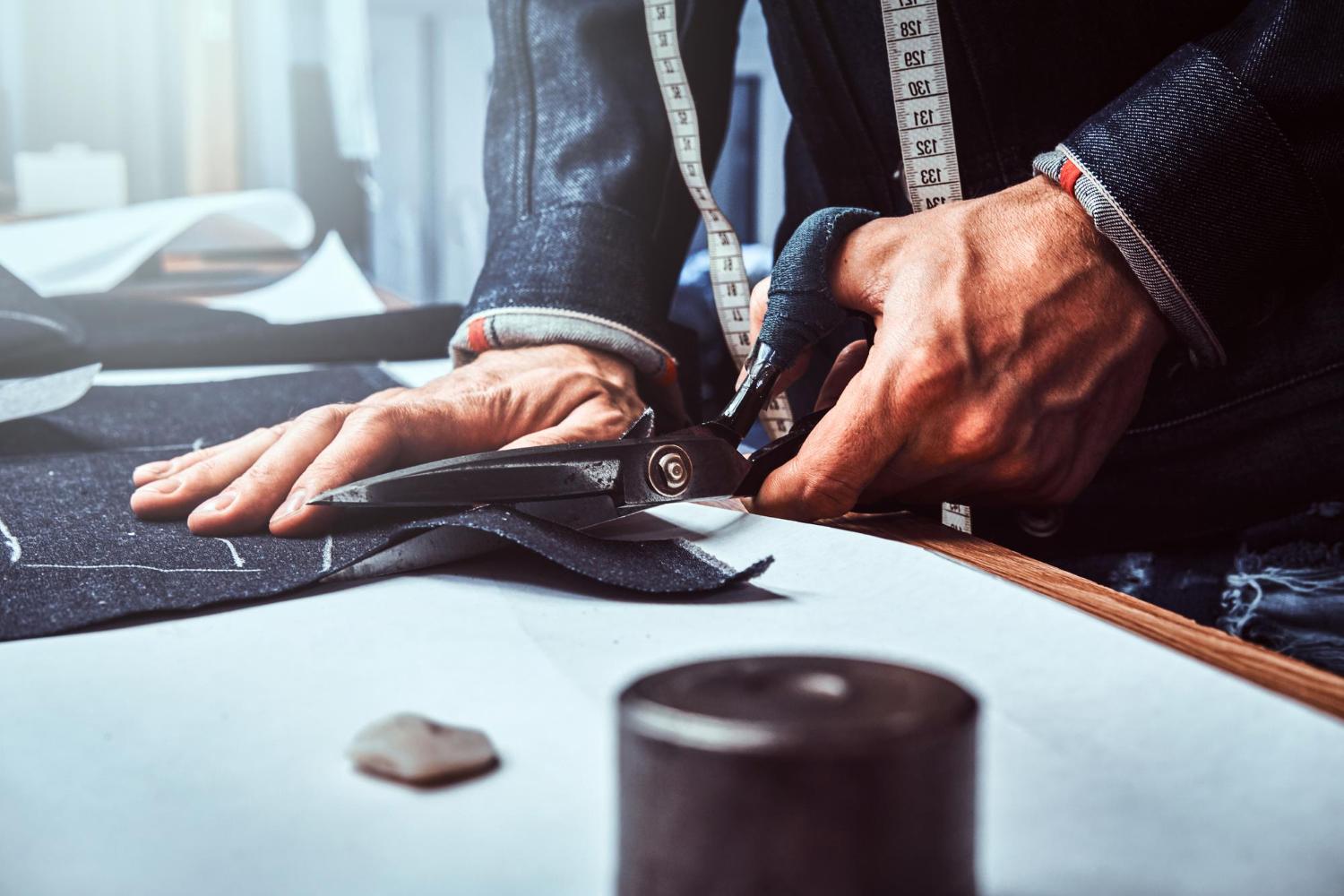
Once measurements and materials are finalized, the cutting and stitching process begins. Garments are typically constructed in stages, with a preliminary fitting used to assess structure and alignment. Adjustments are then made based on the fit during this stage. A final fitting ensures that the garment meets the required specifications before completion.
This step-by-step approach reflects a focus on precision and customization, which is central to the concept of a Bangkok tailor.
Types of Garments Commonly Associated with Bangkok Tailoring
The work associated with a Bangkok tailor is often linked to a wide range of garments. One of the most commonly produced items is the tailored suit, which includes jackets, trousers, and sometimes vests. These suits are typically designed for formal, professional, or ceremonial use.
Shirts are another common category, often customized in terms of collar style, sleeve length, and fit. In addition to Western-style clothing, some tailoring services also include traditional garments that reflect regional or cultural designs.
Women’s clothing, including dresses and formal wear, is also part of the tailoring landscape. These garments often involve more intricate detailing, including adjustments for silhouette, fabric flow, and decorative elements.
Global Perception and Demand
The concept of a Bangkok tailor has gained international recognition due to increased global travel and communication. Visitors to Bangkok often seek custom clothing services as part of business trips or tourism experiences. This demand has contributed to the city’s reputation as a location where tailored garments can be produced efficiently while offering a range of customization options.
In the United States and other countries, the term is sometimes used in discussions about international tailoring options, particularly when comparing custom-made clothing to ready-to-wear alternatives. The appeal lies in the ability to obtain garments that are specifically adjusted to individual body measurements, which may not always be achievable through standard sizing systems.
Quality Considerations in Tailoring
Quality in the context of a Bangkok tailor is generally associated with several factors, including fabric selection, stitching precision, and fitting accuracy. The durability of a garment depends on the materials used and the construction methods applied during production.
Fit is another important consideration, as tailored clothing is expected to conform closely to the wearer’s body shape. Multiple fittings are often part of the process to ensure that adjustments are made before final completion. Attention to detail during each stage of production is a key characteristic of tailoring practices in this context.
Limitations and Variability
While the concept of a Bangkok tailor is often associated with customization and craftsmanship, there can be variability in outcomes depending on the skill level of the tailor, the complexity of the design, and the materials selected. Not all tailoring experiences are identical, and results may differ based on individual requirements and expectations.
Additionally, the process of custom tailoring requires time for measurements, fittings, and adjustments. This makes it different from purchasing ready-made garments, which are immediately available but less personalized.
Conclusion
The term Bangkok tailor refers broadly to the custom garment-making practices associated with Bangkok, a major urban center in Thailand. It represents a tailoring tradition that combines measurement-based garment construction, fabric selection, and multi-stage fitting processes to produce customized clothing.
While outcomes and experiences may vary, the concept is defined by its focus on personalization and craftsmanship. As global interest in custom clothing continues, the idea of a Bangkok tailor remains a notable reference point in discussions about international tailoring practices and garment customization.




 English
 Arabic
 French
 Spanish
 Portuguese
 Deutsch
 Turkish
 Italiano
 Russian
 Romaian
 Portuguese (Brazil)
 Greek
Greek
