Construction activity in coastal regions of the United States often reflects a combination of environmental demands, local regulations, and evolving residential needs. In this context, Pine Island builders are commonly referenced when discussing the professionals and construction practices involved in developing homes and structures on barrier islands and waterfront areas. These builders operate within a unique set of conditions that influence how residential and small-scale commercial projects are planned and executed.
Pine Island, located along Florida’s Gulf Coast, represents a region where construction must carefully balance durability, environmental sensitivity, and hurricane resilience. Because of these factors, building practices in such areas tend to differ from inland construction approaches.
Coastal Construction Challenges in Pine Island
One of the defining characteristics of construction in Pine Island is its exposure to coastal weather patterns. Builders working in this region must account for salt air, high humidity, storm surges, and strong winds. These environmental conditions can significantly impact building materials and structural design.
Salt exposure, for example, can accelerate corrosion in metal components, while humidity can affect wood framing and interior finishes if not properly protected. As a result, construction methods often prioritize materials and designs that can withstand long-term environmental stress.
Hurricane risk is another major factor influencing construction decisions. Florida’s Gulf Coast is frequently affected by tropical storms and hurricanes, requiring structures to meet stringent wind resistance standards. Building codes in the area are designed to improve safety and reduce damage during severe weather events.
Building Codes and Regulatory Requirements
Construction in Pine Island is guided by state and local building regulations that aim to ensure structural safety and environmental protection. These codes often address elevation requirements, wind load resistance, flood zone compliance, and material standards.
Elevated construction is common in flood-prone areas, where homes are built on raised foundations or stilts to reduce the risk of water damage during storm surges. Builders must also consider FEMA floodplain guidelines, which influence how and where structures can be built.
Permitting processes in coastal regions tend to be more detailed than in inland areas. Reviews may include environmental impact assessments, structural engineering evaluations, and zoning compliance checks. These steps are designed to ensure that new construction aligns with both safety standards and environmental preservation goals.
Design Considerations in Coastal Homes
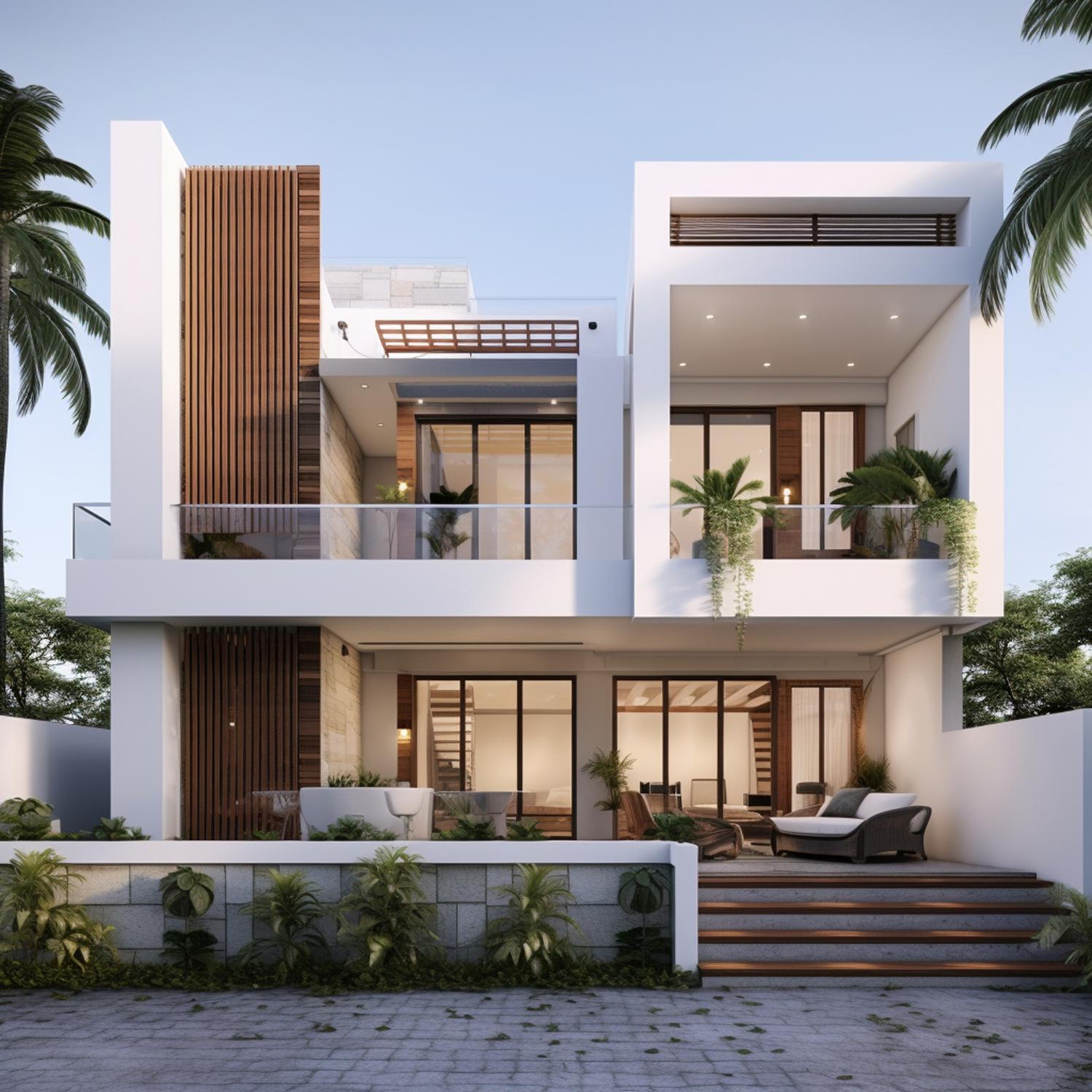
Homes built in Pine Island often reflect architectural adaptations suited to coastal living. Open floor plans, elevated structures, and large windows are common design elements. These features are intended to enhance natural ventilation, maximize views, and improve resilience against environmental conditions.
Material selection plays a critical role in design planning. Builders often use corrosion-resistant metals, treated lumber, and moisture-resistant finishes to extend the lifespan of structures exposed to salt air and humidity.
Roof design is another important consideration. Steep or reinforced roofing systems are frequently used to better withstand high winds and reduce the risk of damage during storms. Proper drainage systems are also essential to manage heavy rainfall and prevent water accumulation.
Environmental Sensitivity and Land Use
Pine Island is known for its natural landscapes, including wetlands, mangroves, and coastal ecosystems. Construction in such areas often requires careful attention to environmental impact. Builders must consider how development affects local wildlife habitats, water flow, and vegetation.
Environmental regulations may limit construction in certain protected areas or require mitigation measures to reduce ecological disruption. These measures can include preserving natural buffers, managing stormwater runoff, and using eco-friendly building materials.
Sustainable construction practices are increasingly relevant in coastal development. This includes energy-efficient design, reduced environmental footprint, and consideration of long-term ecological balance.
Infrastructure and Utility Considerations
Developing properties in coastal regions often involves unique infrastructure challenges. Soil conditions in Pine Island can vary, with some areas requiring additional stabilization before construction can begin. Sandy or water-logged soil may not provide the same structural support as inland terrain, necessitating specialized foundation work.
Utility access, including water, electricity, and sewage systems, must also be carefully planned. In some cases, alternative systems such as septic tanks or elevated utility installations may be required depending on location and elevation.
Road access and transportation infrastructure can influence construction logistics as well. Limited access points or narrow roadways may affect material delivery and project timelines.
The Role of Skilled Construction Practices
Pine Island builders are generally associated with specialized construction practices tailored to coastal environments. This includes knowledge of hurricane-resistant design, flood mitigation strategies, and environmentally responsible building methods.
Construction teams working in such regions often include architects, engineers, and contractors who collaborate to ensure compliance with local codes and environmental standards. Coordination among these professionals is essential for managing complex coastal projects.
Attention to detail is especially important during each phase of construction, from site preparation to final inspection. Proper execution of foundational work, framing, roofing, and finishing contributes to the long-term durability of structures exposed to coastal conditions.
Housing Trends in Coastal Communities
Residential development in Pine Island reflects broader trends seen in coastal regions of the United States. There is often demand for homes that offer waterfront access, scenic views, and outdoor living spaces. At the same time, concerns about climate resilience and insurance costs influence construction decisions.
Elevated homes, storm-resistant materials, and energy-efficient systems have become increasingly common in new builds and renovations. These trends reflect a growing awareness of environmental risks and long-term sustainability.
Renovation and rebuilding efforts also play a significant role in coastal communities. Older homes may be upgraded to meet modern building codes or replaced entirely to improve safety and resilience.
Economic and Community Impact
Construction activity contributes to local economies by supporting jobs in construction, engineering, design, and related industries. In regions like Pine Island, builders also play a role in shaping community development patterns and residential availability.
However, development must often balance economic growth with environmental preservation. Coastal communities face ongoing discussions about sustainable development, land use planning, and climate adaptation strategies.
Conclusion
Pine Island builders operate within a unique and demanding construction environment shaped by coastal conditions, regulatory requirements, and environmental considerations. From hurricane-resistant design to ecological sensitivity, construction practices in this region reflect the challenges and responsibilities associated with coastal development.
Understanding these factors provides insight into how residential and commercial structures are planned and built in areas exposed to natural forces. As coastal communities continue to evolve, construction approaches will likely continue to adapt in response to environmental, regulatory, and structural demands.




 English
 Arabic
 Spanish
 Portuguese
 Deutsch
 Turkish
 Dutch
Dutch
 Italiano
 Russian
 Romaian
 Portuguese (Brazil)
 Greek
Greek
