


How Robotic Polishing Reduces Costs and Enhances Quality
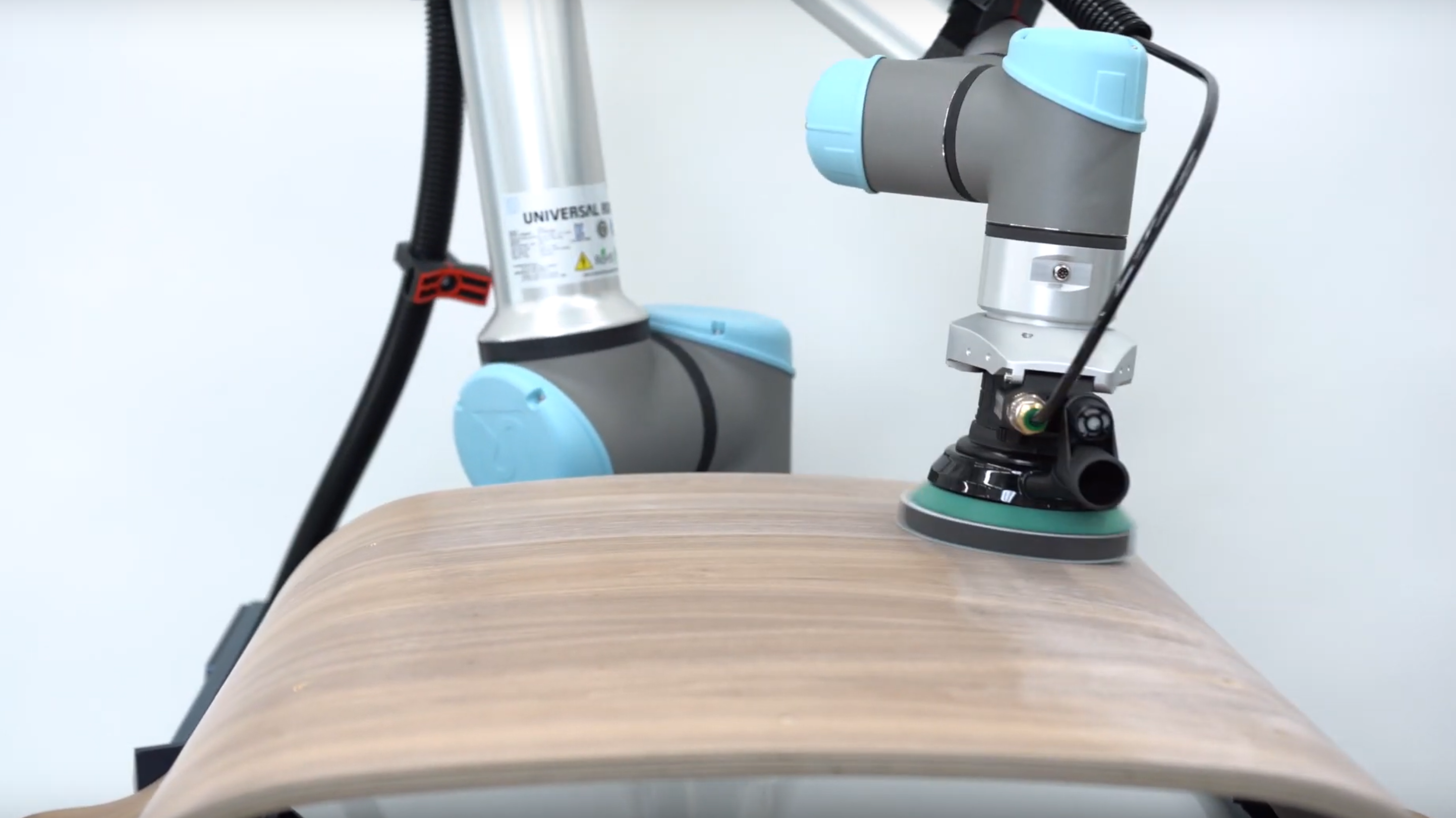
In today’s competitive manufacturing landscape, businesses are under constant pressure to lower production costs while maintaining high product quality. Customers expect flawless finishes, consistent standards, and competitive pricing, which makes efficient production processes more important than ever. One technology helping manufacturers achieve these goals is Robotic Polishing.
Polishing is a critical finishing process used to improve surface smoothness, remove imperfections, enhance appearance, and prepare products for final use. Industries such as automotive, aerospace, medical devices, metal fabrication, consumer electronics, and food equipment all depend on quality polishing. However, traditional manual polishing can be costly, inconsistent, and labor-intensive.
Robotic polishing systems are changing that. By combining industrial robots with advanced tooling, sensors, and automated controls, manufacturers can reduce operating costs while significantly improving product quality. This is why more companies are investing in robotic polishing solutions as part of their long-term growth strategy.
What Is Robotic Polishing?
Robotic polishing uses industrial robots equipped with polishing wheels, abrasive pads, brushes, buffing tools, or specialty finishing equipment to polish parts automatically.
These systems are programmed to move along specific paths while maintaining consistent speed, angle, and pressure. Unlike manual polishing, where results depend heavily on operator technique, robotic systems perform the same process repeatedly with high precision.
Robotic polishing can be used for:
- Metal surface finishing
- Mirror polishing
- Satin and brushed finishes
- Weld blending
- Burr removal and smoothing
- Decorative finishing
- Precision component polishing
This flexibility makes robotic polishing useful across many industries.
How Robotic Polishing Reduces Costs
1. Lower Labor Expenses
Manual polishing often requires multiple workers, especially in high-volume production environments. It is also physically demanding, which can increase turnover and hiring challenges.
Robotic polishing reduces dependence on manual labor by automating repetitive finishing tasks. Existing workers can shift into higher-value roles such as:
- Quality control
- Robot supervision
- Maintenance
- Programming
- Process optimization
Over time, businesses can lower labor costs while improving workforce efficiency.
2. Increased Productivity
Manual polishing can slow production because workers need breaks, shift changes, and recovery from repetitive strain. Output may also vary depending on operator speed.
Robotic systems can run continuously across multiple shifts, including nights and weekends, with minimal downtime.
This leads to:
- Faster production cycles
- Higher daily output
- Better machine utilization
- Reduced bottlenecks
- Shorter lead times
Higher productivity lowers the cost per finished part.
3. Reduced Rework and Scrap
Inconsistent manual polishing can result in scratches, uneven finishes, over-polishing, or under-polishing. These defects often require costly rework or part replacement.
Robotic polishing systems use programmed precision to ensure consistent results. Each component is polished according to the same quality standard.
This reduces:
- Rejected parts
- Additional labor for corrections
- Material waste
- Production delays
Lower scrap rates directly improve profitability.
4. Better Tool Efficiency
Manual polishing can wear consumables unevenly due to inconsistent pressure or improper handling. Robotic systems use controlled movements and optimized pressure, helping polishing pads, abrasive wheels, and brushes last longer.
This lowers tooling costs and improves maintenance planning.
5. Lower Injury-Related Costs
Manual polishing can expose workers to repetitive strain, dust, vibration, and rotating tools. Workplace injuries may lead to compensation claims, absenteeism, and lost productivity.
By automating hazardous tasks, robotic polishing reduces injury risks and associated costs.
How Robotic Polishing Enhances Quality
1. Consistent Surface Finish
One of the biggest quality benefits of Robotic Polishing is repeatability. Robots follow the same motion path and pressure settings on every cycle.
This creates uniform finishes across all parts, which is especially important for industries where appearance and precision matter.
Examples include:
- Automotive trim
- Stainless steel appliances
- Medical instruments
- Consumer electronics housings
- Luxury metal products
Consistency strengthens brand reputation and customer trust.
2. Greater Precision
Robots can be programmed to polish exact contours, curves, and difficult geometries with high accuracy. This makes them ideal for complex parts that are challenging to polish manually.
Precision polishing is valuable for:
- Aerospace components
- Precision-machined parts
- Decorative metal surfaces
- Complex castings
- Multi-angle assemblies
3. Controlled Pressure and Speed
Manual polishing quality often changes depending on operator fatigue or technique. Robotic systems maintain steady contact pressure and polishing speed throughout the cycle.
This prevents uneven finishes and ensures better quality control.
4. Improved Quality at High Volumes
As production volume increases, maintaining manual quality standards becomes more difficult. Robotic polishing allows manufacturers to scale output while preserving the same finish quality across every batch.
This is critical for growing manufacturers serving large markets.
Smart Features Improving Performance
Modern robotic polishing systems often include advanced technologies such as:
Force Sensors
Automatically adjust pressure based on part shape or surface resistance.
Vision Systems
Detect part location and orientation for more accurate polishing.
Real-Time Monitoring
Track cycle times, output, tool wear, and maintenance needs.
Data Analytics
Help optimize productivity and identify quality improvements.
These features support both cost savings and better product quality.
Industries Benefiting from Robotic Polishing
Robotic polishing is widely used in:
- Automotive manufacturing for wheels, trim, and body components
- Aerospace for lightweight metal parts
- Medical manufacturing for hygienic polished surfaces
- Food equipment for stainless steel sanitation surfaces
- Consumer goods for cosmetic metal finishes
- Metal fabrication for weld smoothing and final finishing
Across these sectors, robotic systems improve competitiveness.
Long-Term Return on Investment
Although robotic polishing systems require upfront investment, many companies recover costs through:
- Lower labor expenses
- Reduced waste
- Better productivity
- Improved product quality
- Fewer defects
- Safer operations
The long-term financial return often makes robotic polishing a smart strategic investment.
The Future of Manufacturing Finishing
As automation technology advances, robotic polishing systems will become even smarter, easier to program, and more affordable. Collaborative robots and AI-driven controls are expected to expand access for small and medium-sized manufacturers.
This means robotic polishing is moving from premium technology to mainstream manufacturing necessity.
Conclusion
Robotic Polishing helps manufacturers reduce costs and enhance quality at the same time. By lowering labor dependence, increasing productivity, minimizing waste, and delivering consistent precision finishes, robotic systems create strong operational advantages.
For businesses seeking better efficiency and higher standards, robotic polishing is no longer just an upgrade—it is a competitive solution for the future of manufacturing. Companies that invest today are building smarter, more profitable, and quality-driven operations for tomorrow.

 English
 Arabic
 French
 Spanish
 Portuguese
 Deutsch
 Turkish
 Dutch
Dutch
 Russian
 Romaian
 Portuguese (Brazil)
 Greek
Greek
