


Do You Really Need a UV Filter for Swimming Pool Systems?
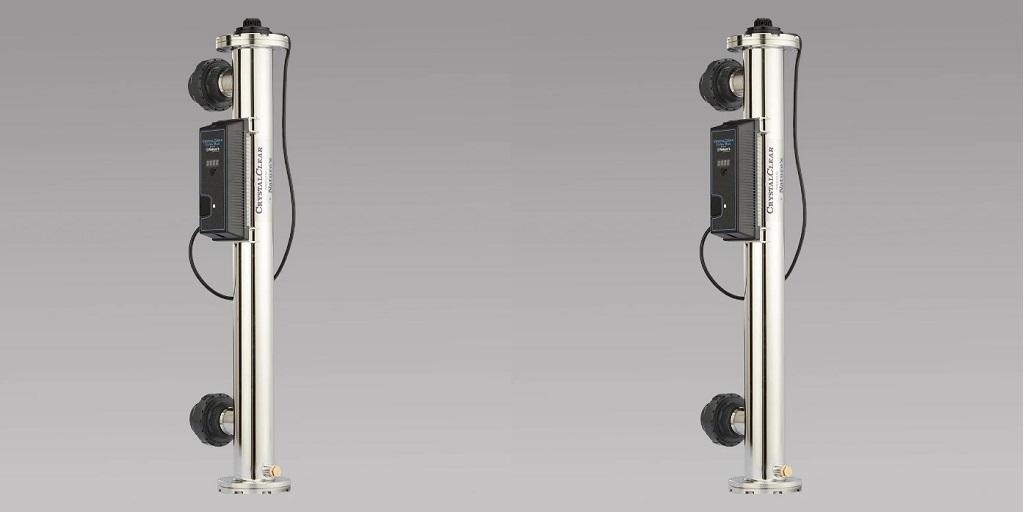
For many pool owners, the question is simple: do you really need a UV filter for swimming pool sanitation, or can traditional chemical treatments do the job on their own? The answer depends on your priorities, your pool's usage, and your expectations for water quality. Chlorine and other chemical sanitizers have been the foundation of pool maintenance for decades, and they remain highly effective. But UV technology has gained popularity because it addresses some of the limitations of chemical treatment alone. While it does involve an upfront investment, many homeowners find that the long-term advantages make it a worthwhile addition to their pool system.
What Chlorine Does to Your Swimming Pool
To understand the value of UV filtration, it helps to start with what chlorine does well. Chlorine sanitizes the water, helps control algae growth, and provides a residual disinfectant that remains active throughout the pool. This ongoing protection is essential because contaminants are constantly introduced by swimmers, wind, rain, and debris.
In many residential pools, chlorine by itself may be sufficient when properly managed. Regular testing, balanced water chemistry, and routine maintenance can keep water safe and inviting. For pool owners on a tight budget, relying solely on chemical treatment is certainly possible.
But chemical sanitizers are not perfect. One challenge is the buildup of chloramines, often referred to as "used chlorine." These compounds form when chlorine reacts with sweat, body oils, and other organic materials introduced into the water. Chloramines are largely responsible for the strong chemical smell many people associate with swimming pools. They can also contribute to eye irritation, dry skin, and respiratory discomfort.
Another concern involves certain chlorine-resistant microorganisms. Cryptosporidium, for example, is a parasite that can survive traditional chlorine levels for an extended period. While chlorine can eventually eliminate it under specific conditions, the process may require elevated concentrations and significant time. During that period, swimmers remain at risk of exposure.
What a UV Filter for Swimming Pool Sanitation Can Do
A UV system works by exposing circulating water to ultraviolet light inside a sealed chamber. As water passes through the unit, microorganisms are exposed to a specific wavelength of UV-C light. This light disrupts the genetic material within bacteria, viruses, and parasites, preventing them from reproducing and causing infection.
The process occurs instantly as water moves through the chamber. Unlike chlorine, UV does not leave behind a disinfecting residual in the pool. For that reason, UV is considered a supplemental system rather than a replacement for chemical sanitation. The two technologies work together, each handling different aspects of water treatment.
One of the most appealing features of UV systems is their low maintenance requirements. Once installed, the equipment operates automatically whenever the circulation system runs. There are no daily adjustments or complicated operating procedures. Most systems require little more than periodic inspections and lamp replacement after thousands of operating hours. Compared to many pool maintenance tasks, the upkeep is relatively minor.
Is a Pool UV Filter Worth It?
From a financial standpoint, some homeowners hesitate because of the initial purchase price. Yet looking only at installation costs can overlook the broader picture. UV pool filter systems can help reduce the amount of chlorine needed throughout the season. Because they help break down chloramines and improve overall water quality, many pool owners find themselves using fewer supplemental chemicals even after a long period.
The benefits become even more significant in high-use environments. Families with young children, pools that host frequent gatherings, therapy pools, and properties with immunocompromised users often benefit from an added layer of protection. In these situations, enhanced sanitation can provide valuable peace of mind.
Of course, the ultimate decision depends on your circumstances and whether UV filtration is necessary for your goals. A chemically treated pool can certainly remain safe when properly maintained. Yet for those seeking higher water quality, reduced chemical dependence, and additional protection against chlorine-resistant pathogens, a UV filter for swimming pool systems offers clear advantages. When viewed as a long-term investment in water quality, swimmer comfort, and overall safety, the benefits often outweigh the cost.

 English
 Arabic
 French
 Spanish
 Portuguese
 Deutsch
 Turkish
 Dutch
Dutch
 Italiano
 Russian
 Romaian
 Portuguese (Brazil)
