


Why Card Printers Are Becoming Essential for Modern Business Security in 2026
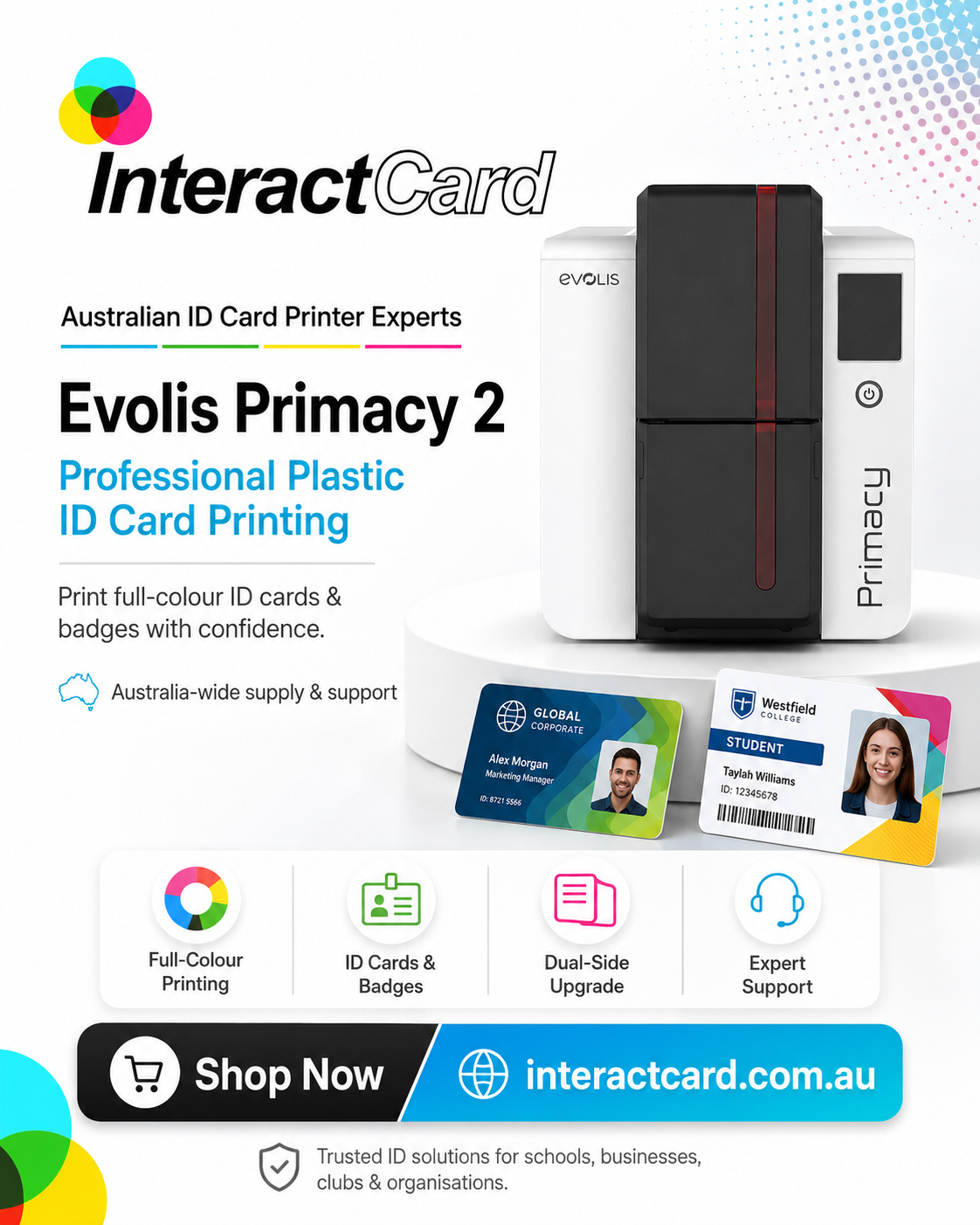
Business security has changed dramatically in recent years. In 2026, companies are no longer relying only on reception logs, paper visitor passes, or outsourced badge printing to manage people inside their premises. Modern businesses need identification systems that are fast, professional, secure, and easy to update.
From employee ID cards and visitor badges to access cards, membership cards, and department-based identification, organisations now need a reliable way to issue cards whenever required. This is one of the main reasons why
card printers have become an important part of modern workplace security. A card printer gives businesses the ability to create high-quality plastic cards in-house. Instead of waiting days for an external supplier, teams can print cards on demand, control sensitive data more carefully, and maintain a professional identity system across the organisation.
The Growing Need for Secure Business Identification
Every business needs to know who is entering its building, who belongs in restricted areas, and who is authorised to access specific departments or services. Paper passes and handwritten badges may still work for very small setups, but they often look unprofessional and can be easy to copy, lose, or misuse.
Professional plastic cards offer a stronger solution. They are more durable, easier to verify, and suitable for everyday use. A printed staff ID card can include a name, photo, job title, department, company branding, expiry date, barcode, QR code, or access control feature. This makes identification faster and more reliable.
Businesses are also moving away from fully outsourced card printing because it can create delays. When a new employee joins, a visitor arrives, or a lost card needs replacing, waiting for an external supplier is not always practical. In-house printing gives organisations more control over their identity process.
Using an ID card printer also supports a more consistent and professional brand image. Whether it is a corporate office, school, gym, healthcare centre, or event venue, a well-designed plastic card helps create trust and order from the moment someone enters the premises.
How Card Printers Improve Workplace Security
Security is one of the biggest reasons businesses invest in card printers. A secure workplace starts with clear identification. When staff, visitors, contractors, and members all carry visible ID cards, it becomes much easier to recognise who should be on-site.
Employee ID cards help security teams and managers quickly confirm a person’s role and department. For larger companies, this is especially useful in buildings where not everyone knows each other. A professional card can make it easier to identify staff from finance, IT, management, warehouse, reception, or restricted departments.
Card printers are also useful for access control systems. Many businesses use plastic cards with barcodes, QR codes, magnetic stripes, RFID, or smart card features to control entry into buildings, rooms, parking areas, or secure zones. This reduces the risk of unauthorised access and helps businesses manage permissions more effectively.
Visitor badges are another important security benefit. Instead of giving visitors a generic paper pass, companies can print temporary visitor cards with names, photos, dates, host details, and expiry times. This creates a clear record of who is inside the building and helps reception teams manage visitor movement more professionally.
Department-based identification is also useful in busy workplaces. Different colours, card layouts, or printed labels can show whether someone is a permanent employee, temporary worker, contractor, student, member, or guest. This makes visual checks quicker and supports a safer working environment.
Why In-House Plastic Card Printing Saves Time
Outsourcing plastic card printing may seem convenient at first, but it can slow down daily operations. New staff may have to wait for their ID cards. Lost cards may take days to replace. Event badges may arrive late. Small changes in design or information may require another order.
With an in-house plastic card printer, businesses can print cards exactly when they need them. This is especially useful for companies with regular staff changes, frequent visitors, seasonal workers, new members, or recurring events.
For example, a school can print a replacement student ID within minutes. A gym can issue a new membership card as soon as someone signs up. An office can prepare an employee badge before the person’s first day. A healthcare centre can create staff or contractor cards without sharing sensitive information with third-party suppliers.
In-house printing also gives businesses more flexibility. If a logo changes, a department name is updated, or a card design needs improvement, the team can make changes quickly. There is no need to wait for bulk orders or throw away large batches of outdated cards.
Over time, this can improve efficiency and reduce administrative pressure. Staff can focus on the work that matters instead of chasing suppliers, checking delivery dates, or managing emergency card requests.
Best Uses of Card Printers in 2026
Card printers are now useful across many industries, not just large corporate offices. Any organisation that needs secure identification, access control, or membership management can benefit from in-house card printing.
Offices: Businesses can print employee ID cards, contractor badges, visitor passes, and access control cards. This helps create a more secure and organised workplace.
Schools and colleges: Education providers can issue student ID cards, staff cards, library cards, visitor badges, and event passes. This supports campus safety and student management.
Gyms and fitness centres: Membership cards help gyms manage access, payments, loyalty programmes, and member identification more efficiently.
Healthcare centres: Clinics, hospitals, and care facilities can use ID cards for doctors, nurses, staff, visitors, and contractors. Clear identification is especially important in sensitive healthcare environments.
Retail stores: Retail businesses can print staff ID cards, loyalty cards, discount cards, and temporary badges for seasonal workers.
Clubs and associations: Membership cards can help clubs manage renewals, access, member benefits, and event entry.
Event venues: Conferences, exhibitions, concerts, and business events can use card printers to create attendee badges, VIP passes, staff cards, and backstage access cards.
In 2026, businesses want identification systems that are flexible and easy to manage. A reliable ID card printer helps organisations meet that need without depending completely on external providers.
What to Look for Before Buying a Card Printer
Before buying a card printer, businesses should think carefully about their needs. Not every printer is suitable for every organisation, so choosing the right model can save time, money, and frustration.
Print quality: A good card should look clear, sharp, and professional. High-quality printing is important for staff photos, logos, text, barcodes, and branding.
Single-sided or dual-sided printing: Some businesses only need information on the front of the card. Others may need extra details, terms, emergency contacts, QR codes, or access instructions on the back. In that case, a dual-sided printer may be a better choice.
Printing speed: If a business prints many cards every day or manages events with large numbers of attendees, speed matters. Faster printing can reduce waiting time and improve workflow.
Card durability: Businesses should consider whether cards need lamination, protective overlays, or long-lasting print quality. This is especially important for cards used daily.
Ribbon and supply cost: The printer price is not the only cost to consider. Ribbon, blank cards, cleaning kits, and replacement parts also affect long-term value.
Ease of use: The printer should be simple enough for staff to operate without constant technical help. User-friendly software and clear settings can make card creation much easier.
Support and warranty: Good after-sales support is important. Businesses should check whether the supplier offers setup help, troubleshooting, maintenance, and warranty coverage.
Choosing the right printer for plastic cards depends on how often cards are printed, what type of cards are needed, and how secure the identification system should be.
Frequently Asked Questions
Why are card printers important for business security?
Card printers help businesses create secure ID cards, visitor badges, and access cards in-house. This makes it easier to identify people, manage entry, and reduce unauthorized access.
Is an ID card printer useful for small businesses?
Yes. Even small businesses can use an ID card printer to create staff badges, visitor passes, loyalty cards, and membership cards. It improves professionalism and helps manage identification more efficiently.
What is the difference between a plastic card printer and a normal printer?
A normal office printer prints on paper, while a plastic card printer is designed to print directly onto durable plastic cards. These cards are suitable for ID badges, access cards, membership cards, and loyalty cards.
Can card printers be used for access control?
Yes. Many card printers can produce cards that work with access control systems, depending on the card type and technology used. Businesses can print cards with barcodes, QR codes, magnetic stripes, RFID, or smart card features.
Do businesses save money by printing cards in-house?
In many cases, yes. In-house printing can reduce delays, lower dependency on external suppliers, and make it easier to print replacement cards or small batches whenever needed.
Conclusion
Card printers are no longer just basic office equipment. In 2026, they have become an important part of modern identity management, workplace security, and business efficiency.
From staff ID cards and visitor badges to membership cards and access control cards, businesses need faster and safer ways to manage identification. An in-house plastic card printer gives organisations more control, saves time, improves professionalism, and supports a more secure working environment.
As security expectations continue to rise, businesses that invest in reliable card printing solutions will be better prepared to manage people, protect their premises, and create a smoother experience for staff, visitors, and customers.

 Arabic
 French
 Spanish
 Portuguese
 Deutsch
 Turkish
 Dutch
Dutch
 Italiano
 Russian
 Romaian
 Portuguese (Brazil)
 Greek
Greek
