


Why Old Door Locks Can Become a Security Risk
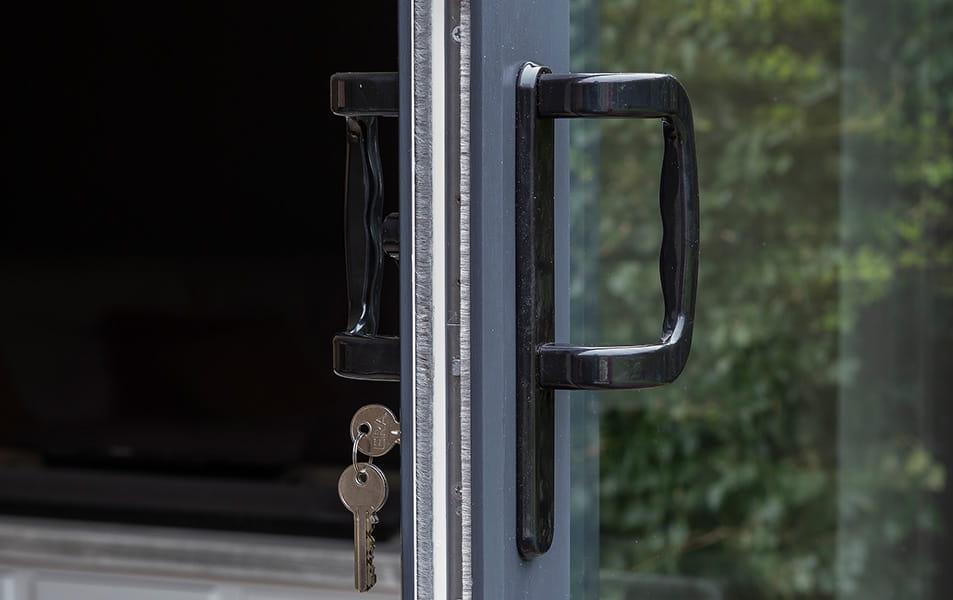
Door locks are used every day, but they are often ignored until something goes wrong. As long as the key turns and the door closes, many people assume the lock is still safe. But an old door lock can become a security risk long before it completely stops working.
Over time, locks wear down. Keys become loose, cylinders get rough, handles weaken, and internal parts stop working as smoothly as they should. In homes, apartments, villas, offices, and rental properties, an old lock may still open and close, but it may no longer provide proper protection.
Understanding why old door locks become risky can help you decide when to repair, rekey, or replace them before they fail.
Old Locks Wear Down With Daily Use
Every time you insert a key, turn the cylinder, press the handle, or close the door, the lock mechanism is used. After years of daily use, internal parts can become worn. The lock may still work, but it may not be as strong or reliable as before.
Common signs of wear include:
-
Key feels loose inside the lock
-
Key needs wiggling before turning
-
Lock works only after several attempts
-
Handle feels weak or shaky
-
Lock makes grinding sounds
-
Door needs pressure to close
-
Cylinder feels loose
-
Key gets stuck sometimes
These signs show that the lock is no longer operating smoothly. If ignored, the lock can jam, break, or become easier to tamper with.
Worn Cylinders Can Make Locks Unreliable
The cylinder is one of the most important parts of a lock. It is the part where the key enters. Inside the cylinder, small pins or wafers move according to the key shape. When the correct key is inserted, the cylinder turns.
In an old lock, these internal parts can wear down. Dust, friction, poor keys, and years of use can make the cylinder rough or loose. This can cause the key to turn unevenly or get stuck.
A worn cylinder can also make the lock less secure. If the cylinder is loose or damaged, the lock may not provide the same level of protection. In some cases, rekeying may help. But if the cylinder is badly worn, replacing the lock may be safer.
Old Keys and Old Locks Create Access Problems
Old locks are often linked with old keys. Over the years, keys may be copied and shared many times. Family members, tenants, cleaners, staff, contractors, or previous occupants may have had copies.
This creates a serious access control issue. Even if the lock works perfectly, you may not know who still has a key.
This is especially important for:
-
Rental apartments
-
Villas
-
Shared homes
-
Offices
-
Shops
-
Staff rooms
-
Storage rooms
-
Commercial units
If the key history is unclear, an old lock can become a security risk even without visible damage. Rekeying or changing the lock can help restore control.
Duplicate Keys Can Make the Problem Worse
Many people make duplicate keys when the original key becomes weak or unreliable. But if the original key is already worn, the duplicate may copy the same problem. A poor duplicate can make the lock feel rough, damage internal parts, or get stuck.
Repeatedly using bad duplicate keys can wear the cylinder faster. This can make an old lock even more unreliable.
Signs of poor key and lock combination include:
-
New duplicate key does not work smoothly
-
Key needs lifting or wiggling
-
Key works on one side but not the other
-
Duplicate key gets stuck
-
Lock becomes rough after using a new key
Before making more copies, it is better to check whether the lock itself is worn.
Door Alignment Can Damage Old Locks
Sometimes an old lock becomes risky because the door itself is no longer aligned. If the latch or bolt does not line up properly with the strike plate, the lock comes under pressure every time the door is closed.
This can happen because of loose hinges, frame movement, heat, heavy door use, or poor installation. When the lock is under pressure, the key becomes harder to turn. Over time, this pressure can damage the latch, cylinder, and lock body.
Warning signs include:
-
Door needs pushing to lock
-
Key works when door is open but not closed
-
Door rubs against the frame
-
Lock feels tight at certain times
-
Latch does not enter smoothly
-
Handle needs lifting before locking
If this continues, the old lock may fail suddenly.
Dubai Weather Can Affect Older Locks
In Dubai, heat, dust, and humidity can affect door locks, especially outdoor locks, villa gates, garden doors, and main entrances exposed to sunlight or sand.
Dust can enter the keyway and make the cylinder rough. Heat can affect door alignment. Humidity can contribute to corrosion in low-quality or old hardware. Over time, these conditions can make an old lock less reliable.
Outdoor locks may show signs such as:
-
Key feels gritty
-
Lock becomes stiff
-
Surface rust appears
-
Key gets stuck
-
Lock makes scraping sounds
-
Door needs force to close
Older locks exposed to weather should be checked more often than indoor locks.
Loose Locks Can Reduce Security
A loose lock is not only inconvenient. It can also reduce security. If the cylinder moves when the key is inserted, the handle feels shaky, or the lock plate shifts, the lock may not be sitting firmly in the door.
A loose lock may be caused by worn screws, old hardware, damaged door material, or poor installation. If the lock body is not secure, the door may be easier to force or may fail during normal use.
A strong lock should feel stable. If it moves during use, it needs attention.
Old Locks May Not Match Modern Security Needs
A lock that was acceptable years ago may not be suitable for current security needs. Homes and offices now often require better access control, stronger cylinders, smart lock options, or improved key management.
Old locks may lack:
-
Stronger cylinder protection
-
Better key control
-
Modern smart access
-
Durable hardware
-
Better resistance to wear
-
Easier user management
For offices, rental properties, and shared spaces, old locks can become a problem because access
Why Old Door Locks Can Become a Security Risk
Door locks are used every day, but they are often ignored until something goes wrong. As long as the key turns and the door closes, many people assume the lock is still safe. But an old door lock can become a security risk long before it completely stops working.
Over time, locks wear down. Keys become loose, cylinders get rough, handles weaken, and internal parts stop working as smoothly as they should. In homes, apartments, villas, offices, and rental properties, an old lock may still open and close, but it may no longer provide proper protection.
Understanding why old door locks become risky can help you decide when to repair, rekey, or replace them before they fail.
Old Locks Wear Down With Daily Use
Every time you insert a key, turn the cylinder, press the handle, or close the door, the lock mechanism is used. After years of daily use, internal parts can become worn. The lock may still work, but it may not be as strong or reliable as before.
Common signs of wear include:
-
Key feels loose inside the lock
-
Key needs wiggling before turning
-
Lock works only after several attempts
-
Handle feels weak or shaky
-
Lock makes grinding sounds
-
Door needs pressure to close
-
Cylinder feels loose
-
Key gets stuck sometimes
These signs show that the lock is no longer operating smoothly. If ignored, the lock can jam, break, or become easier to tamper with.
Worn Cylinders Can Make Locks Unreliable
The cylinder is one of the most important parts of a lock. It is the part where the key enters. Inside the cylinder, small pins or wafers move according to the key shape. When the correct key is inserted, the cylinder turns.
In an old lock, these internal parts can wear down. Dust, friction, poor keys, and years of use can make the cylinder rough or loose. This can cause the key to turn unevenly or get stuck.
A worn cylinder can also make the lock less secure. If the cylinder is loose or damaged, the lock may not provide the same level of protection. In some cases, rekeying may help. But if the cylinder is badly worn, replacing the lock may be safer.
Old Keys and Old Locks Create Access Problems
Old locks are often linked with old keys. Over the years, keys may be copied and shared many times. Family members, tenants, cleaners, staff, contractors, or previous occupants may have had copies.
This creates a serious access control issue. Even if the lock works perfectly, you may not know who still has a key.
This is especially important for:
-
Rental apartments
-
Villas
-
Shared homes
-
Offices
-
Shops
-
Staff rooms
-
Storage rooms
-
Commercial units
If the key history is unclear, an old lock can become a security risk even without visible damage. Rekeying or changing the lock can help restore control.
Duplicate Keys Can Make the Problem Worse
Many people make duplicate keys when the original key becomes weak or unreliable. But if the original key is already worn, the duplicate may copy the same problem. A poor duplicate can make the lock feel rough, damage internal parts, or get stuck.
Repeatedly using bad duplicate keys can wear the cylinder faster. This can make an old lock even more unreliable.
Signs of poor key and lock combination include:
-
New duplicate key does not work smoothly
-
Key needs lifting or wiggling
-
Key works on one side but not the other
-
Duplicate key gets stuck
-
Lock becomes rough after using a new key
Before making more copies, it is better to check whether the lock itself is worn.
Door Alignment Can Damage Old Locks
Sometimes an old lock becomes risky because the door itself is no longer aligned. If the latch or bolt does not line up properly with the strike plate, the lock comes under pressure every time the door is closed.
This can happen because of loose hinges, frame movement, heat, heavy door use, or poor installation. When the lock is under pressure, the key becomes harder to turn. Over time, this pressure can damage the latch, cylinder, and lock body.
Warning signs include:
-
Door needs pushing to lock
-
Key works when door is open but not closed
-
Door rubs against the frame
-
Lock feels tight at certain times
-
Latch does not enter smoothly
-
Handle needs lifting before locking
If this continues, the old lock may fail suddenly.
Dubai Weather Can Affect Older Locks
In Dubai, heat, dust, and humidity can affect door locks, especially outdoor locks, villa gates, garden doors, and main entrances exposed to sunlight or sand.
Dust can enter the keyway and make the cylinder rough. Heat can affect door alignment. Humidity can contribute to corrosion in low-quality or old hardware. Over time, these conditions can make an old lock less reliable.
Outdoor locks may show signs such as:
-
Key feels gritty
-
Lock becomes stiff
-
Surface rust appears
-
Key gets stuck
-
Lock makes scraping sounds
-
Door needs force to close
Older locks exposed to weather should be checked more often than indoor locks.
Loose Locks Can Reduce Security
A loose lock is not only inconvenient. It can also reduce security. If the cylinder moves when the key is inserted, the handle feels shaky, or the lock plate shifts, the lock may not be sitting firmly in the door.
A loose lock may be caused by worn screws, old hardware, damaged door material, or poor installation. If the lock body is not secure, the door may be easier to force or may fail during normal use.
A strong lock should feel stable. If it moves during use, it needs attention.
Old Locks May Not Match Modern Security Needs
A lock that was acceptable years ago may not be suitable for current security needs. Homes and offices now often require better access control, stronger cylinders, smart lock options, or improved key management.
Old locks may lack:
-
Stronger cylinder protection
-
Better key control
-
Modern smart access
-
Durable hardware
-
Better resistance to wear
-
Easier user management
For offices, rental properties, and shared spaces, old locks can become a problem because access door lock changes over time. Staff leave, tenants move out, keys get copied, and old users may still have access.
Changing or upgrading the lock can improve security and make access easier to manage.
When Repair May Be Enough
Not every old lock needs immediate replacement. Sometimes repair or servicing can extend its life if the lock is still in good condition.
Repair may be enough when:
-
The lock is slightly stiff
-
Screws are loose
-
The cylinder needs cleaning
-
The latch needs adjustment
-
The door alignment needs correction
-
The lock is not damaged or very worn
A professional inspection can help decide whether repair is practical.
When Replacement Is Better
Replacing the lock may be the safer option when the lock is old, damaged, loose, or unreliable.
Lock replacement is usually better when:
-
The cylinder is badly worn
-
The lock has been repaired many times
-
The key keeps getting stuck
-
The lock body is loose
-
The handle is weak
-
The lock was forced or damaged
-
Old keys are uncontrolled
-
The lock no longer feels secure
-
You want better security
If the lock protects a main door, villa entrance, office, shop, or storage room, security should come before temporary fixes.
How to Reduce Security Risks From Old Locks
You can reduce risks by paying attention to early signs and acting before failure.
Helpful steps include:
-
Do not force stiff locks
-
Replace worn keys early
-
Avoid copying badly worn keys
-
Check door alignment
-
Tighten loose hardware
-
Rekey locks after moving in
-
Change locks when keys are lost
-
Replace unreliable locks early
-
Keep outdoor locks clean
-
Upgrade weak locks when needed
Small maintenance steps can prevent emergency lockouts and improve safety.
Final Thoughts
Old door locks can become a security risk because of worn parts, loose cylinders, unclear key history, poor duplicate keys, door alignment pressure, and weather exposure. A lock does not need to be completely broken to be unsafe. If it feels rough, loose, unreliable, or no longer secure, it should be checked.
Sometimes repair or rekeying is enough. But when a lock is badly worn, damaged, or has too many old keys in circulation, replacement is often the safer choice.
A door lock should protect your property with confidence. If an old lock no longer works smoothly or you do not know who has keys, it may be time to upgrade before a small problem becomes a serious security issue.
s over time. Staff leave, tenants move out, keys get copied, and old users may still have access.
Changing or upgrading the lock can improve security and make access easier to manage.
When Repair May Be Enough
Not every old lock needs immediate replacement. Sometimes repair or servicing can extend its life if the lock is still in good condition.
Repair may be enough when:
-
The lock is slightly stiff
-
Screws are loose
-
The cylinder needs cleaning
-
The latch needs adjustment
-
The door alignment needs correction
-
The lock is not damaged or very worn
A professional inspection can help decide whether repair is practical.
When Replacement Is Better
Replacing the lock may be the safer option when the lock is old, damaged, loose, or unreliable.
Lock replacement is usually better when:
-
The cylinder is badly worn
-
The lock has been repaired many times
-
The key keeps getting stuck
-
The lock body is loose
-
The handle is weak
-
The lock was forced or damaged
-
Old keys are uncontrolled
-
The lock no longer feels secure
-
You want better security
If the lock protects a main door, villa entrance, office, shop, or storage room, security should come before temporary fixes.
How to Reduce Security Risks From Old Locks
You can reduce risks by paying attention to early signs and acting before failure.
Helpful steps include:
-
Do not force stiff locks
-
Replace worn keys early
-
Avoid copying badly worn keys
-
Check door alignment
-
Tighten loose hardware
-
Rekey locks after moving in
-
Change locks when keys are lost
-
Replace unreliable locks early
-
Keep outdoor locks clean
-
Upgrade weak locks when needed
Small maintenance steps can prevent emergency lockouts and improve safety.
Final Thoughts
Old door locks can become a security risk because of worn parts, loose cylinders, unclear key history, poor duplicate keys, door alignment pressure, and weather exposure. A lock does not need to be completely broken to be unsafe. If it feels rough, loose, unreliable, or no longer secure, it should be checked.
Sometimes repair or rekeying is enough. But when a lock is badly worn, damaged, or has too many old keys in circulation, replacement is often the safer choice.
A door lock should protect your property with confidence. If an old lock no longer works smoothly or you do not know who has keys, it may be time to upgrade before a small problem becomes a serious security issue.

 English
 Arabic
 French
 Spanish
 Portuguese
 Deutsch
 Turkish
 Dutch
Dutch
 Italiano
 Russian
 Romaian
 Portuguese (Brazil)
