


Key Factors to Consider Before Starting a Commercial Construction Project
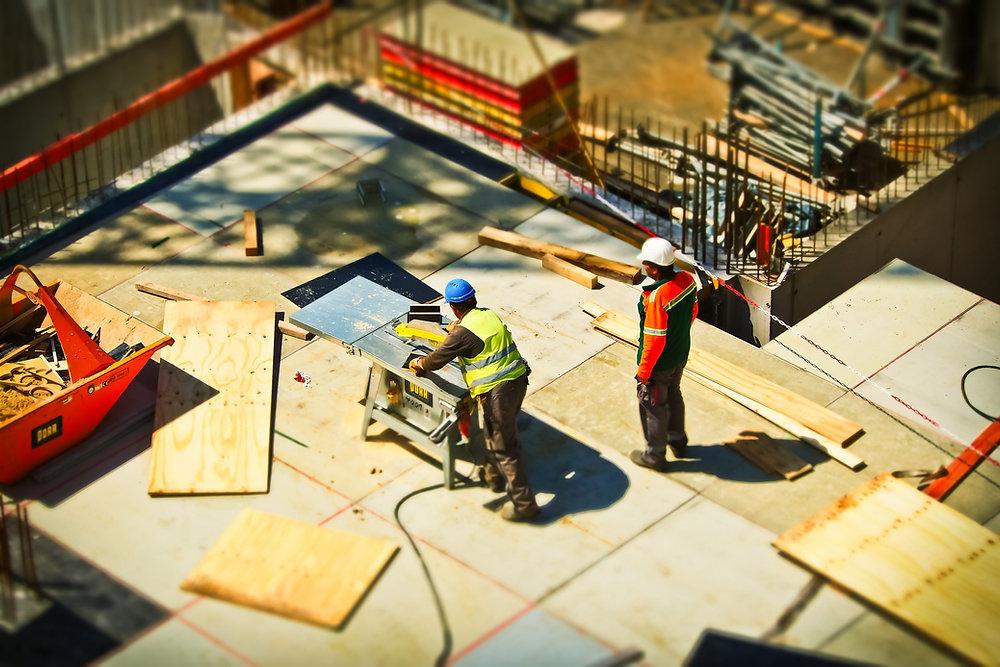
Embarking on a commercial construction project is a significant endeavor that requires careful planning, decision-making, and coordination. Whether you are building a new office, retail space, warehouse, or any other commercial property, there are numerous factors that need to be considered before breaking ground. From choosing the right site to ensuring structural integrity, every detail plays a crucial role in ensuring the project’s success.
In this blog, we’ll explore the key factors you need to consider before starting your commercial construction project. By understanding these important aspects, you can ensure that your project runs smoothly, stays within budget, and is completed on time.
1. Budget Planning and Financial Considerations
The first and foremost factor to consider when starting a commercial construction project is your budget. Construction projects often come with unexpected expenses, and having a well-thought-out financial plan is essential to keep costs under control.
You should break down your budget to include costs for land acquisition, design, permits, labor, materials, equipment, and contingency funds. It’s also essential to plan for any potential delays that may cause additional costs. Working with an experienced construction manager or project consultant can help you avoid cost overruns and ensure that your financial planning aligns with your project goals.
2. Choosing the Right Location
The location of your commercial property is critical to the success of the project. Factors such as accessibility, proximity to suppliers or clients, zoning regulations, and future growth potential must all be considered when selecting the site for your building.
Do thorough research on the area’s demographics, traffic patterns, and business climate. Additionally, check with local authorities to confirm zoning regulations and whether the land is suitable for the intended purpose. For example, a retail building will require more foot traffic and easy access to transportation, while a warehouse might benefit from proximity to major highways or shipping routes.
3. Design and Layout Planning
The design of the commercial property will dictate how functional and efficient the building is. The layout should meet the specific needs of your business and provide flexibility for future changes. For example, if you're planning office spaces, the layout should allow for optimal workflow and employee collaboration.
Consulting with an architect and interior designer is essential to create a space that aligns with your vision while adhering to building codes and regulations. The design should also factor in energy efficiency, lighting, ventilation, and access to natural resources, which can contribute to long-term cost savings.
4. Understanding Local Building Codes and Permits
Every construction project is subject to local building codes, zoning laws, and permit requirements. Before beginning construction, it is crucial to ensure that you comply with all local regulations to avoid costly delays or legal complications.
Depending on the location of your project, you may need several permits, including building, electrical, plumbing, and fire safety permits. Failing to obtain the necessary permits can result in fines, forced delays, or even demolition of your structure. Work closely with a local architect or construction expert who understands the requirements of your area to ensure all necessary paperwork is filed in advance.
5. Choosing the Right Construction Team
The team you assemble for your commercial construction project plays a significant role in its success. From contractors to subcontractors and consultants, selecting experienced professionals is essential to ensure quality work and timely completion.
Start by researching reputable construction firms and reviewing their past projects. Look for companies with experience in commercial construction, especially in the type of building you're planning. Communication, reliability, and reputation are critical factors when selecting a construction team. Ensure that everyone on the team is fully licensed, insured, and committed to adhering to safety standards and project timelines.
6. Material Selection
Selecting the right materials is crucial for both the durability and aesthetic appeal of your commercial building. The choice of materials will affect the building’s performance, energy efficiency, and overall longevity.
Consider sustainability when choosing materials, as green building practices are becoming more important in commercial construction. Choose high-quality materials that will ensure the building’s durability and help reduce future maintenance costs. Consult with your architect to identify the best options for insulation, roofing, windows, and other structural elements that suit your project’s design and functional requirements.
7. Structural Integrity and Inspections
Ensuring the structural integrity of your commercial building is vital to the safety and long-term success of the project. This includes ensuring that the foundation, framework, and overall structure can withstand the weight of the building and any external forces, such as wind, snow, or earthquakes.
For new construction, Concrete Michigan specialists can guide you in selecting the right concrete mix and foundation design to suit the local environment and building specifications. It’s crucial to work with experts who understand the local soil and weather conditions to ensure a strong and durable foundation. Additionally, regular structural inspections throughout the project will help identify any potential issues before they escalate.
8. Project Timeline and Scheduling
Time is money, and construction delays can be costly. Establishing a realistic project timeline from the outset and ensuring that all tasks are scheduled appropriately will help keep your project on track. Work with your contractor and project manager to create a clear schedule with milestones that need to be met at various stages of the project.
Factor in potential delays due to weather, supply chain issues, or labor shortages. Having a clear schedule will not only keep the construction process organized but will also help ensure that your building is ready to open on time.
9. Risk Management and Safety Considerations
Commercial construction is inherently risky, and accidents or unforeseen problems can arise at any stage. That’s why having a solid risk management plan is essential for protecting your investment. This includes identifying potential risks, from weather delays to safety hazards, and developing strategies to mitigate those risks.
Your construction team should be well-versed in OSHA (Occupational Safety and Health Administration) regulations and maintain a safe working environment throughout the project. This includes proper safety gear, worker training, and emergency response plans in case of accidents.
Having proper insurance for both the building and workers will also protect you from unexpected events.
10. Post-Construction Inspections and Handover
Once construction is complete, a final inspection must be conducted to ensure that the building is up to code and ready for occupancy. During the post-construction phase, you’ll want to ensure that all systems (HVAC, plumbing, electrical, etc.) are working properly.
In addition, consider hiring a professional to perform Structural Inspections Services Michigan to check for any issues that might have been missed during construction. These services will provide a detailed evaluation of the building’s structure and ensure everything is up to standard before you move in or lease the space.
Conclusion
Starting a commercial construction project requires careful consideration of many factors, from site selection to design, budgeting, and risk management. By taking the time to plan thoroughly and work with trusted professionals, you can set your project up for success. Understanding and addressing key aspects such as foundation design, materials, safety, and regulatory requirements will not only help you avoid delays but also ensure that the building lasts for decades to come.
Whether you are starting a new commercial construction project or renovating an existing structure, addressing these factors will give you peace of mind and help you achieve your vision. For buildings in Michigan, ensuring proper Concrete Michigan services and Structural Inspections Services Michigan will further ensure the integrity and durability of your commercial building, setting it up for long-term success.

 English
 French
 Spanish
 Portuguese
 Deutsch
 Turkish
 Dutch
Dutch
 Italiano
 Russian
 Romaian
 Portuguese (Brazil)
 Greek
Greek
