


Glide Anti Chafe Balm: Why Active UK Shoppers Are Looking for Smarter Body-Care Solutions in 2026
A glide anti chafe balm is a body-care product that creates a smooth, lightweight layer on the skin to stop rubbing before it starts — reducing the friction, heat, and irritation that movement, sweat, and clothing cause. Applied before a run, ride, gym session, walk, or long day, it lets skin and fabric glide instead of chafe. Whether it is a summer walk, a gym session, a long commute, or a weekend run, skin friction can quickly turn movement into discomfort — and for many active people the problem is not only sweat or odour, but rubbing.
That is why more UK shoppers are looking for smarter body-care, including glide anti chafe balm options that are easy to apply, comfortable to wear, and practical for everyday routines. In 2026, body care is becoming more active, more skin-conscious, and more focused on real daily comfort. Products such as an anti chafe stick, moisture-absorbing body care, and natural deodorant are now part of the same conversation: people want to move confidently, stay fresh, and feel comfortable from morning to night.
What Is a Glide Anti Chafe Balm?
A glide anti chafe balm is a body-care product designed to reduce rubbing and discomfort caused by skin friction, sweat, heat, or clothing during movement. It works by forming a smooth protective layer so areas that usually rub — skin-on-skin or skin-on-clothing — glide comfortably instead.
It is commonly applied before walking, running, cycling, gym sessions, travel, or long workdays, to places like the inner thighs, underarms, waistline, feet, bra line, groin, chest, nipples, or anywhere sportswear rubs. The format is popular because it is quick to apply and easy to carry in a gym bag or pocket.
Why Are Anti-Chafe Products Trending with Active UK Shoppers?
Anti-chafe products are trending because more people are moving in everyday life — walking more, joining gyms, cycling, travelling, hiking, or working long shifts on their feet — and more movement means more sweat and friction. As activity rises, body comfort has become part of how people think about fitness.
More People Are Moving Every Day
Running clubs, gym routines, weekend walks, cycling commutes, and outdoor activities are all part of modern active lifestyles. Even a busy workday can involve a lot of movement, especially for people who commute, stand for long periods, or walk between appointments.
Comfort Is Now Part of Fitness Care
People used to think mainly about trainers, sportswear, water bottles, and fitness trackers. Now they are also thinking about skin comfort — active body care is becoming just as important as the kit.
Sweat and Heat Make Friction Worse
Warm weather, tight clothing, repeated movement, and sweat all increase rubbing. This is why an anti chafe stick is useful for runners, walkers, gym users, and anyone who wants extra comfort during movement.
People Want Simple Products They Can Carry
A stick or balm format slips easily into a gym bag, work bag, or travel kit. It takes up little space and can be applied quickly before activity or topped up during a long day.
Where Does Chafing Happen Most?
Chafing happens anywhere skin rubs against skin or fabric — for runners it is often the thighs, feet, or nipples; for gym users the underarms or waistband; for commuters it comes from heat, sweat, and long hours in the same clothing. It is not only an athlete's problem.
The most common friction hotspots include:
-
Inner thighs — the most common area, especially when walking, running, or in warm weather.
-
Nipples and chest — "runner's nipple" from repeated movement and clothing during running or cycling.
-
Underarms and bra line — constant rubbing from movement, heat, and clothing.
-
Feet — hotspots from hiking boots, work shoes, and sports footwear.
-
Groin and waistline — where sportswear and waistbands rub during activity.
-
Shoulders — from backpack and rucksack straps.
Body chafing prevention is useful for anyone who experiences rubbing during walking, travelling, training, working, or warm weather — not just marathon runners.
Glide Anti Chafe Balm vs Anti Chafe Stick: Is There a Difference?
In practice, the terms glide anti chafe balm, anti chafe stick, and glide anti chafing stick describe very similar products — the goal is identical: help skin feel comfortable and reduce friction during movement. The main differences are texture and format.
|
Feature |
Glide Anti Chafe Balm |
Anti Chafe Stick |
|
Main purpose |
Reduce rubbing and friction |
Reduce rubbing and friction |
|
Texture |
Often balm-like and smooth |
Usually a solid stick format |
|
Application |
Applied directly to skin |
Applied directly to skin |
|
Best for |
Active movement, sport, long days |
Quick, easy daily use and travel |
|
Popular with |
Runners, cyclists, walkers, gym users |
Anyone needing fast friction support |
The best modern products combine both — a balm formula in an easy glide-on stick applicator — so you get a smooth, non-greasy layer with mess-free, direct application. The name may change, but shoppers want the same thing: something that glides on, feels comfortable, and supports movement without complicating their routine.
What Makes a Good Anti-Chafe Product in 2026?
A good anti-chafe product feels easy, practical, and comfortable — it should never feel heavy or greasy, especially before exercise or in hot weather. Look for these qualities in particular:
-
Smooth application — it should glide over skin without pulling or dragging, which is why stick and balm formats are popular.
-
Comfortable, non-greasy feel — protection without feeling sticky, wet, or thick.
-
Sweat-friendly formula — comfort that lasts through movement, heat, and sweat rather than disappearing quickly.
-
Skin-friendly ingredients — gentle enough for regular use on sensitive areas, ideally with soothing actives.
-
Portable packaging — a product that fits in a bag is the one you will actually use.
-
Multi-use benefits — modern shoppers like products that handle friction, moisture, and comfort in one.
Body Chafing Prevention Tips for Active People
Body chafing prevention starts with simple habits — the right product helps, but clothing, skin preparation, and routine matter too. These steps make the biggest difference:
-
Wear breathable clothing — soft, breathable fabrics let sweat dry and reduce rubbing.
-
Apply product before movement — use a balm or stick before walking, running, cycling, travelling, or training; preventing discomfort is easier than treating irritated skin later.
-
Keep skin clean and dry — applying to clean, dry skin helps the product work better.
-
Choose the right fit — clothing that is too tight rubs, and clothing that is too loose moves and causes friction; a comfortable fit matters.
-
Reapply during long days — for long hikes, races, festivals, travel days, or hot weather, top up as needed.
Who Should Consider a Glide Anti Chafe Balm?
A glide anti chafe balm is not only for athletes — it suits anyone who spends long hours moving, walking, commuting, travelling, or working in warm conditions. If movement is part of your daily life, an anti chafe stick is a practical addition to your routine.
It may be especially helpful for:
-
Runners, cyclists, and gym users
-
Walkers and hikers
-
Commuters and travellers
-
Festival-goers and people working long shifts
-
Anyone active in hot weather or who experiences rubbing from clothing
How Does Natural Deodorant Fit an Active Body-Care Routine?
Natural deodorant fits alongside anti-chafe care because movement creates both friction and odour — they are two different problems solved by two different products. An anti-chafe balm reduces rubbing; a deodorant manages body odour. Used together, they help active people feel comfortable and fresh.
It is worth being clear: a natural deodorant does not replace a dedicated glide anti chafe balm, and an anti-chafe balm is not a deodorant. The smartest active routine often pairs the two — a glide balm on friction hotspots, plus a skin-friendly, aluminium-free deodorant for all-day freshness during workouts, commutes, and long days.
Why Do 2026 Shoppers Want Smarter Body-Care Solutions?
2026 shoppers want body care that works harder — freshness, comfort, skin-friendly ingredients, and simple application in one easy routine — and they increasingly care about packaging and sustainability too. Refillable products, vegan formulas, cruelty-free claims, and aluminium-free options are more attractive because they fit modern personal-care values.
This is why active body care is moving beyond basic fragrance. Shoppers want products that support real life, from gym sessions and hot commutes to travel, training, and everyday movement.
A Practical Example: Oltra Glide Natural Anti Chafe Balm
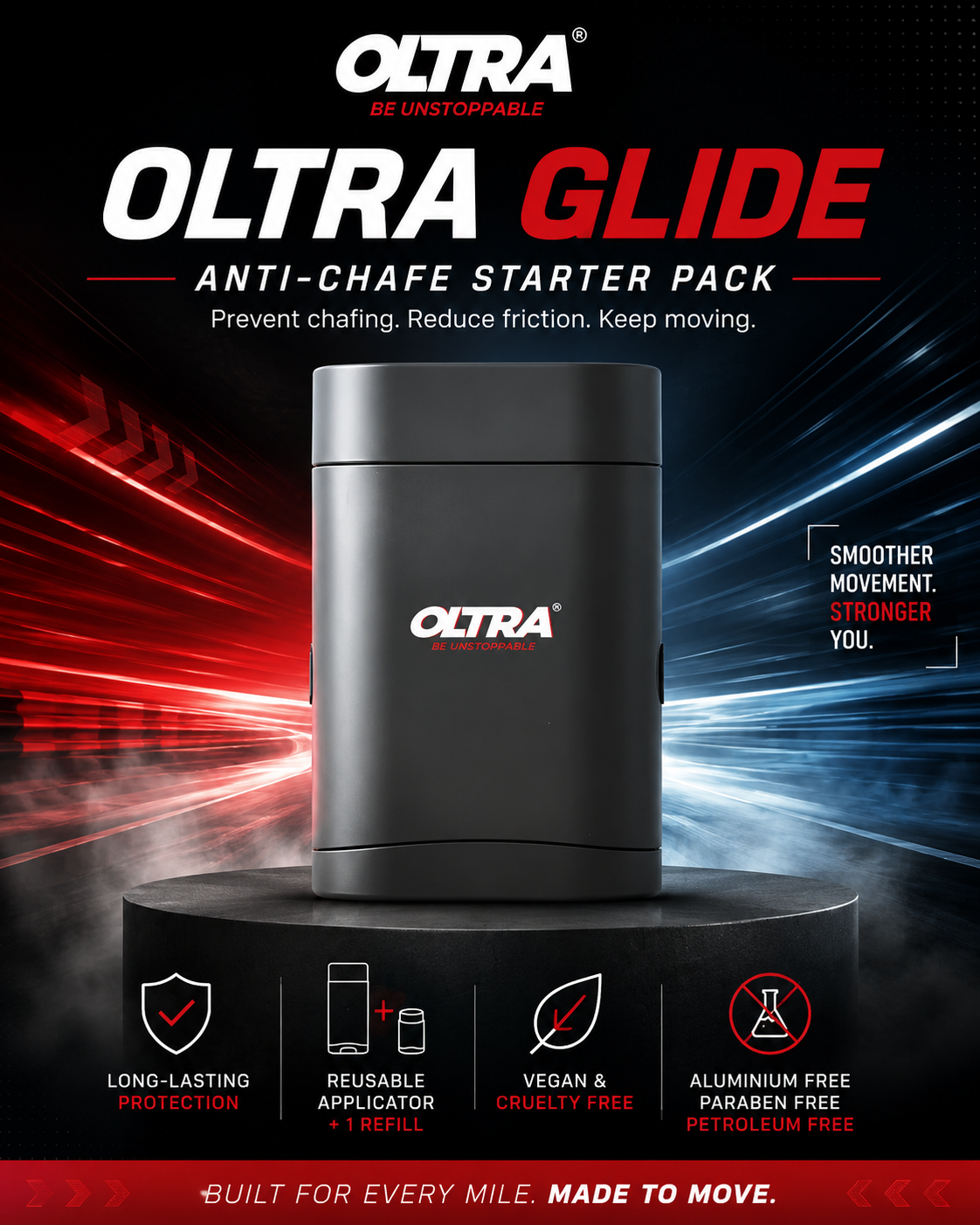
For UK shoppers who want a glide anti chafe balm that fits an active, eco-conscious routine, the Oltra Glide (Natural Anti Chafe Balm) Starter Pack (£15.95) is a useful real-world example of what to look for.
Oltra Glide is a natural anti-chafe balm in an easy glide-on stick applicator, designed to help skin glide comfortably instead of rubbing during running, cycling, training, travel, long shifts, or warm-weather walks. The starter pack includes a reusable applicator plus one 40g refill that lasts roughly six to eight weeks, and it is built for friction hotspots including inner thighs, groin, underarms, feet, chest, nipples, neck, and under the bra line. It is vegan, cruelty-free, aluminium-free, paraben-free, and petroleum-free, and comes in four unisex scents — Core (unscented), Rise, Spark, and Flow.
What makes it relevant as an example is the formula: naturally derived ingredients chosen for specific jobs, including coconut oil and sunflower wax for smooth glide, tapioca starch to absorb moisture, shea butter and castor oil to cushion skin, allantoin to calm irritation, and tamanu and tea tree oil for recovery and natural freshness. That combination — a non-greasy glide formula, skin-soothing actives, refillable packaging, and ethical credentials — is exactly what modern active shoppers are looking for in an anti chafe stick.
For all-day freshness alongside friction protection, some shoppers pair it with an aluminium-free natural deodorant — but for chafing specifically, a dedicated balm like this is the right tool.
Common Myths About Anti-Chafe and Body-Care Products
Myth 1: Chafing only happens to athletes
False. Chafing can happen to anyone — walking, commuting, travelling, working, or spending time in warm weather can all cause rubbing.
Myth 2: Anti-chafe products are only for summer
False. Heat makes chafing worse, but friction happens all year. Exercise, tight clothing, long days, and repeated movement cause discomfort in any season.
Myth 3: Deodorant and anti-chafe balm are the same
False. They do different jobs. Deodorant mainly controls odour; anti-chafe balm mainly reduces friction. Use each for its intended purpose.
Myth 4: Natural body-care products cannot work for active people
False. Well-formulated natural products can suit active people. Performance depends on the ingredients, application, body chemistry, and routine.
Final Thoughts: Smarter Comfort for Active UK Lifestyles
As UK shoppers become more active and more thoughtful about daily body care, products like a glide anti chafe balm, anti chafe stick, and glide anti chafing stick are becoming part of everyday routines. In 2026, body care is not only about smelling fresh — it is about feeling comfortable, moving confidently, and choosing products that support real life.
The smartest routine may include different products for different needs: a dedicated anti-chafe balm such as Oltra Glide to reduce rubbing on friction hotspots, plus a natural deodorant for freshness during movement, heat, training, and long workdays. For active UK shoppers, comfort is no longer an afterthought — it is part of feeling confident every day.
Frequently Asked Questions
What is a glide anti chafe balm?
A glide anti chafe balm is a body-care product that creates a smooth, lightweight protective layer on the skin to reduce rubbing and discomfort caused by movement, sweat, heat, or clothing friction. It is applied before activity to help skin glide instead of chafe.
What is an anti chafe stick used for?
An anti chafe stick is used on areas where skin or clothing rubs — such as inner thighs, underarms, feet, the groin, the bra line, or sportswear contact points — to reduce friction and prevent irritation before it starts.
What is a glide anti chafing stick?
A glide anti chafing stick is usually a solid, glide-on product applied directly to the skin to reduce friction during walking, running, cycling, travel, or everyday movement. It combines a balm-style formula with the convenience of a mess-free stick applicator.
Is a glide anti chafe balm the same as an anti chafe stick?
They are very similar. "Balm" usually refers to the smooth formula and "stick" to the glide-on applicator format, but both do the same job: reducing skin-on-skin and skin-on-clothing friction. Many products combine both as a balm in a stick.
Where can I apply an anti chafe balm?
You can apply it anywhere friction occurs, including inner thighs, groin, underarms, feet, neck, chest, nipples, and under the bra line — basically any high-friction hotspot during movement.
Does an anti chafe balm help with thigh chafing and nipple chafing?
Yes. A glide anti chafe balm is commonly used to reduce inner-thigh rubbing during walking, running, and warm weather, and to prevent nipple chafing ("runner's nipple") caused by repetitive movement and clothing during running or cycling.
Will an anti chafe balm feel greasy?
A good one will not. Modern anti-chafe balms are designed to glide on smoothly and leave a lightweight, non-greasy finish that stays comfortable through sweat and movement.
When should I apply an anti chafe stick?
Apply it before activity or before a long day when you expect rubbing, sweating, or clothing friction, and reapply before long sessions, in heat, or during extended movement.
Can deodorant help with chafing?
Not really — deodorant is made to control odour, not reduce friction, so it does not replace a dedicated anti-chafe product. Some active people use both: a balm for friction and a deodorant for freshness.

 English
 Arabic
 French
 Spanish
 Portuguese
 Turkish
 Dutch
Dutch
 Italiano
 Russian
 Romaian
 Portuguese (Brazil)
 Greek
Greek
