


Can Preventive Dentistry Help You Avoid Major Dental Problems?
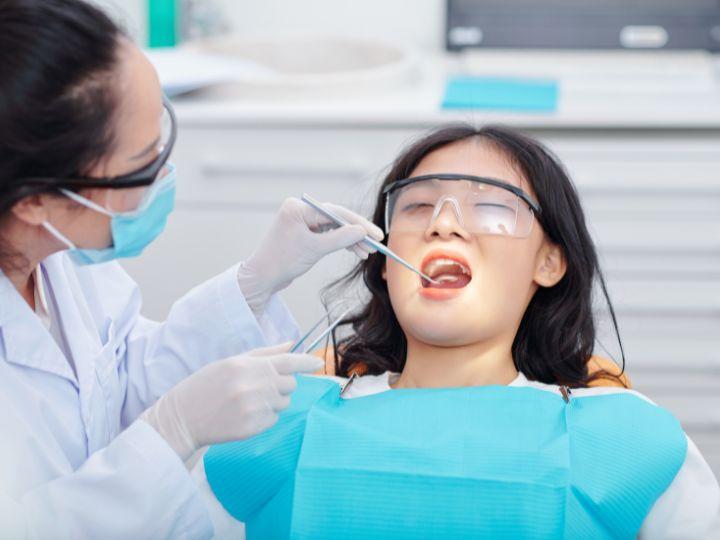
Preventive dentistry is one of the most effective ways to maintain a healthy smile and avoid costly, painful dental issues down the track. Instead of waiting for problems like cavities, gum disease, or tooth decay to develop, this proactive approach focuses on keeping your teeth and gums in top condition from the very beginning. In Australia, where oral health awareness continues to grow, more people are realising that regular care is far easier (and cheaper) than major dental treatments. But what exactly does preventive dentistry involve, and how can it help you avoid serious dental problems in the long run?
What is Preventive Dentistry?
Preventive dentistry refers to a range of practices designed to protect your teeth and gums before issues arise. It combines at-home oral hygiene with professional dental care to reduce the risk of decay, infection, and other complications.
At its core, preventive dentistry is about consistency. It encourages daily habits like brushing and flossing, as well as routine visits to your dentist for a dental check up and clean.
Key elements include:
- Regular brushing and flossing
- Professional cleaning and examinations
- Fluoride treatments and protective sealants
- Early detection of dental issues
By focusing on prevention, you reduce the likelihood of needing invasive procedures such as root canals, extractions, or gum surgery.
Why Preventive Dentistry Matters for Long-Term Oral Health
Many dental problems develop slowly and silently. By the time pain appears, the issue is often more advanced and harder (and more expensive) to treat. This is where preventive dentistry plays a crucial role.
Early Detection Saves Time and Money
Routine dental visits allow professionals to spot early signs of decay, gum inflammation, or enamel erosion. Treating these issues early is significantly simpler than addressing advanced dental disease.
For example, a small cavity can often be fixed with a simple filling, whereas untreated decay may lead to root canal therapy or tooth loss.
Protecting More Than Just Your Teeth
Good oral health is closely linked to overall health. Poor dental hygiene has been associated with conditions such as heart disease and diabetes complications. Preventive dentistry helps reduce harmful bacteria in the mouth, supporting better general wellbeing.
Reducing Dental Anxiety
Regular visits to the dentist help normalise the experience, making patients feel more comfortable over time. This can reduce dental anxiety and encourage ongoing care rather than avoidance.
Key Components of Preventive Dentistry
Preventive dentistry isn’t just one action; it’s a combination of habits and professional care that work together.
Daily Oral Hygiene Routine
Your at-home routine forms the foundation of preventive care. Dentists generally recommend:
- Brushing twice daily with fluoride toothpaste
- Flossing once a day to remove plaque between teeth
- Using mouthwash to reduce bacteria and freshen breath
Consistency is key. Even the best dental treatments cannot replace daily care.
Regular Dental Check Up and Clean
A dental check up and cleaning is one of the most important aspects of preventive dentistry. During these appointments, your dentist will:
- Examine your teeth, gums, and mouth for signs of disease
- Take X-rays if necessary to detect hidden issues
- Professionally remove plaque and tartar build-up
- Polish teeth to help prevent future staining
Most Australians are advised to visit the dentist every six months, although some may require more frequent visits depending on their oral health.
Preventive Treatments
In some cases, dentists may recommend additional treatments to strengthen protection, such as:
- Fluoride applications to strengthen enamel
- Dental sealants to protect grooves in molars
- Gum assessments to monitor early signs of periodontal disease
These treatments are simple but highly effective in reducing long-term risks.
How Preventive Dentistry Helps You Avoid Major Dental Problems
The biggest advantage of preventive dentistry is that it stops small issues from turning into major ones.
Prevents Tooth Decay and Cavities
Plaque build-up is one of the leading causes of tooth decay. Regular cleaning and professional maintenance help remove plaque before it damages enamel.
Reduces Risk of Gum Disease
Gum disease often starts with mild inflammation (gingivitis) and can progress to more serious conditions if untreated. Preventive care helps control bacteria and keeps gums healthy.
Avoids Costly Dental Procedures
Treating advanced dental problems can be expensive and time-consuming. Preventive dentistry reduces the likelihood of needing:
- Root canal treatments
- Tooth extractions
- Dental implants or bridges
Investing in routine care is far more affordable than emergency treatment later.
Maintains a Healthy, Confident Smile
Beyond health benefits, preventive dentistry also supports aesthetics. Clean, healthy teeth improve confidence and make everyday interactions more comfortable.
Simple Tips to Support Preventive Dentistry at Home
While professional care is essential, your daily habits play an equally important role in maintaining oral health.
Here are some practical tips:
- Drink plenty of water to wash away food particles
- Limit sugary snacks and drinks that fuel bacteria
- Replace your toothbrush every 3 months
- Avoid smoking, which increases the risk of gum disease
- Eat a balanced diet rich in calcium and vitamins
Small lifestyle changes can make a significant difference over time.
Final Thoughts
Preventive dentistry is one of the smartest approaches to maintaining lifelong oral health. By combining good daily habits with regular professional care, including a routine dental check up and clean, you can significantly reduce the risk of serious dental problems. Rather than waiting for pain or damage to occur, prevention allows you to stay ahead of issues before they become complex or costly. It’s a simple, effective strategy that supports not just your teeth and gums, but your overall wellbeing too. In short, investing in preventive dentistry today can save you from major dental headaches tomorrow and help you maintain a healthy, confident smile for years to come.

 Arabic
 French
 Spanish
 Portuguese
 Deutsch
 Turkish
 Dutch
Dutch
 Italiano
 Russian
 Romaian
 Portuguese (Brazil)
 Greek
Greek
