


SABER vs. SASO: Which One Do You Need for KSA Imports?
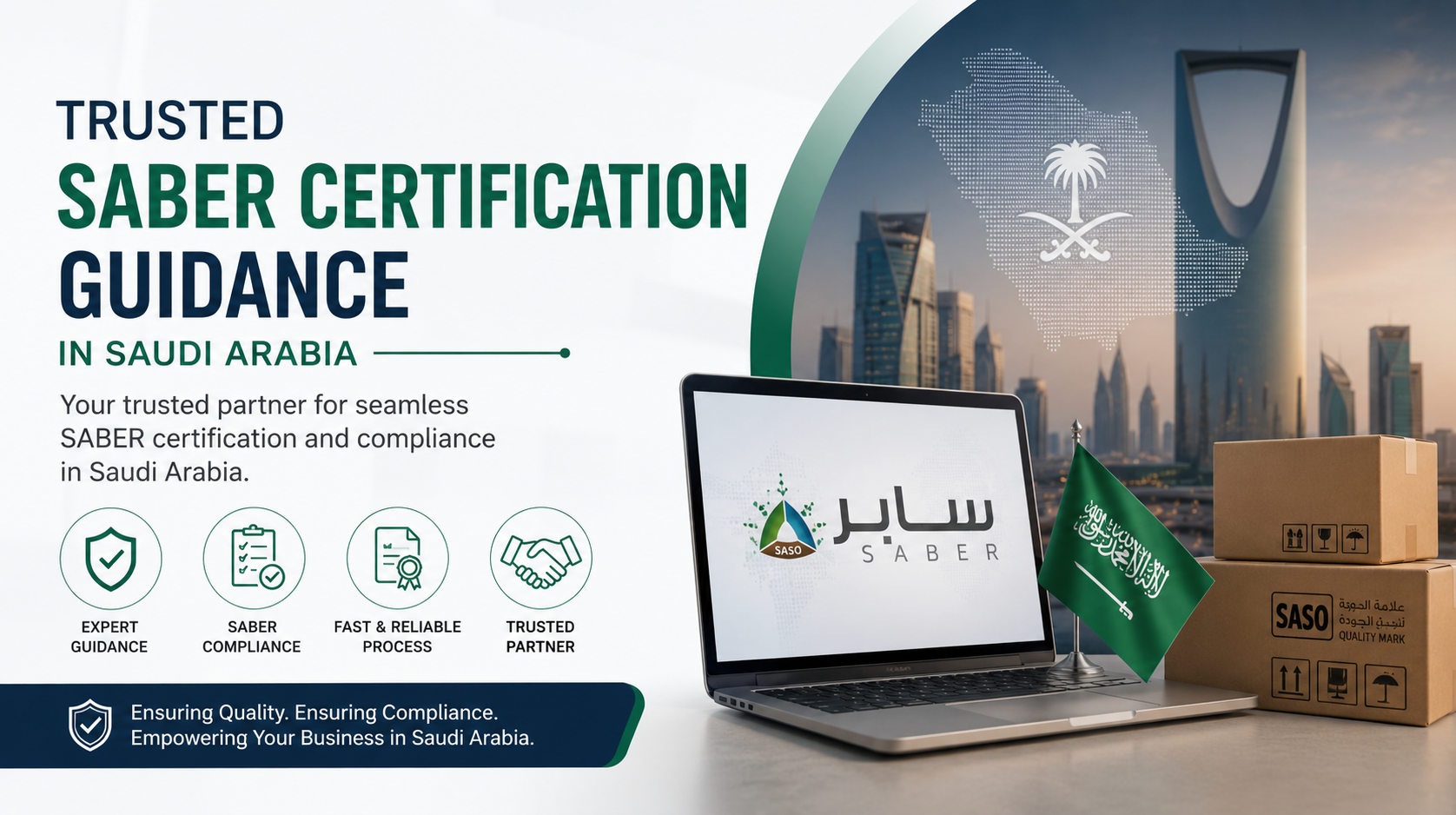
Importing products into Saudi Arabia requires compliance with various regulatory standards and certification requirements. Businesses involved in international trade often come across terms such as saber product certification, customs clearance, product conformity assessment, SASO regulations, shipment certificates, import compliance, and Saudi standards. One of the most common questions among importers is whether they need SABER or SASO certification for their products. Understanding the distinction between these two is crucial for ensuring smooth imports, avoiding shipment delays, and successfully entering the Saudi market.
Understanding Saudi Arabia’s Product Compliance System
Saudi Arabia has implemented a strict regulatory framework to ensure that products entering the Kingdom meet safety, quality, and technical standards. The Saudi Standards, Metrology and Quality Organization (SASO) oversees these regulations, while the SABER platform serves as the digital system that manages product registration and certification.
Although the terms are often used interchangeably, SASO and SABER perform different functions within the import process.
What Is SASO?
SASO (Saudi Standards, Metrology and Quality Organization) is the official government body responsible for establishing technical regulations, product standards, and quality requirements for goods sold in Saudi Arabia.
SASO’s responsibilities include:
-
Developing national standards
-
Protecting consumers
-
Ensuring product safety
-
Monitoring imported goods
-
Supporting fair trade practices
-
Regulating conformity assessment procedures
Any product entering Saudi Arabia must comply with the standards established by SASO.
Products Commonly Regulated by SASO
-
Electrical appliances
-
Electronics
-
Automotive parts
-
Construction materials
-
Toys and children's products
-
Cosmetics and personal care items
SASO establishes the rules that importers must follow before products can enter the Kingdom.
What Is SABER?
SABER is an online platform introduced by SASO to digitize and streamline product certification and conformity assessment procedures.
The platform connects:
-
Importers
-
Manufacturers
-
Certification bodies
-
Saudi customs authorities
Through SABER, businesses can register products, obtain conformity certificates, and secure shipment approvals before importing goods into Saudi Arabia.
Objectives of the SABER Platform
The platform helps:
-
Simplify import procedures
-
Improve customs clearance efficiency
-
Reduce paperwork
-
Increase transparency
-
Ensure regulatory compliance
-
Accelerate shipment approvals
In simple terms, SASO creates the regulations, while SABER provides the system used to implement them.
What Is SABER Product Certification?
Saber product certification is the process of verifying that imported products comply with Saudi technical regulations and standards through the SABER platform.
This certification is essential for many regulated products entering Saudi Arabia.
The process typically involves:
-
Product registration
-
Document submission
-
Technical review
-
Conformity assessment
-
Certificate issuance
Without the required certification, products may face customs delays, inspections, or rejection.
Types of Certificates Issued Through SABER
The SABER platform issues two primary certificates that support Saudi imports.
Product Certificate of Conformity (PCoC)
The Product Certificate of Conformity confirms that a product complies with applicable Saudi standards and technical regulations.
Benefits of PCoC
-
Demonstrates regulatory compliance
-
Supports multiple shipments
-
Valid for one year in most cases
-
Reduces customs risks
This certificate is often the foundation of successful product imports.
Shipment Certificate of Conformity (SCoC)
The Shipment Certificate of Conformity is issued for each shipment entering Saudi Arabia.
It verifies that the shipment corresponds to the approved product certification.
Benefits of SCoC
-
Facilitates customs clearance
-
Supports shipment verification
-
Reduces border delays
-
Improves cargo release speed
Every regulated shipment typically requires an SCoC before customs release.
SABER vs. SASO: Key Differences
Although SABER and SASO work together, they are fundamentally different.
|
Feature |
SASO |
SABER |
|
Type |
Government Regulatory Authority |
Digital Compliance Platform |
|
Purpose |
Creates standards and regulations |
Manages certification processes |
|
Role |
Regulatory oversight |
Product registration and certification |
|
Function |
Establishes compliance requirements |
Implements compliance digitally |
|
User Interaction |
Indirect |
Direct platform access |
|
Customs Support |
Regulatory framework |
Electronic verification system |
Understanding these differences helps importers navigate compliance requirements more effectively.
Which One Do You Need for KSA Imports?
The simple answer is: you need both.
Businesses importing products into Saudi Arabia must:
-
Comply with SASO regulations
-
Obtain required certifications through the SABER platform
SASO provides the standards that products must meet, while SABER is the tool used to prove compliance with those standards.
Therefore, importers cannot choose one instead of the other.
How SABER Product Certification Supports Customs Clearance
One of the major advantages of the SABER system is its integration with Saudi customs authorities.
Benefits Include:
-
Faster customs processing
-
Electronic certificate verification
-
Reduced paperwork
-
Lower inspection rates
-
Improved shipment tracking
Customs officials can instantly verify certification status through the system, helping accelerate cargo release.
Products That Commonly Require SABER Product Certification
Many regulated product categories require certification before importation.
Electrical and Electronic Products
-
Home appliances
-
Lighting equipment
-
Consumer electronics
-
Power supplies
Automotive Products
-
Vehicle parts
-
Tires
-
Accessories
Construction Materials
-
Building products
-
Industrial materials
-
Safety equipment
Consumer Goods
-
Toys
-
Household products
-
Personal care items
The exact requirements depend on the product category and applicable technical regulations.
Common Mistakes Importers Make
Many businesses experience shipment delays because of avoidable compliance errors.
Assuming SABER and SASO Are the Same
Although connected, they serve different purposes.
Incorrect Product Classification
Using inaccurate HS codes can lead to:
-
Certification complications
-
Customs delays
-
Incorrect duty calculations
Missing Documentation
Incomplete submissions often result in:
-
Application rejection
-
Additional reviews
-
Delayed approvals
Late Certification Applications
Waiting until goods are already in transit can create unnecessary customs holds.
Best Practices for Compliance
Businesses can simplify imports by following several best practices.
Register Products Early
Start the certification process before shipping goods.
Verify Product Requirements
Different products have different certification obligations.
Always review applicable technical regulations.
Maintain Accurate Documentation
Prepare and review:
-
Commercial invoices
-
Packing lists
-
Product specifications
-
Test reports
-
Manufacturer declarations
Consistency is critical.
Work With Experienced Customs Clearance Professionals
Professional customs clearance providers can assist with:
-
Product classification
-
SABER registration
-
Compliance management
-
Documentation review
-
Shipment certification
Their expertise often helps prevent costly delays.
Benefits of SABER Product Certification
Businesses that complete the certification process properly enjoy several advantages.
Faster Market Entry
Certified products move through customs more efficiently.
Improved Compliance
Businesses remain aligned with Saudi regulations.
Enhanced Customer Confidence
Certified products demonstrate adherence to recognized safety and quality standards.
Reduced Shipment Risks
Compliance minimizes the likelihood of penalties, holds, and shipment rejection.
Better Supply Chain Efficiency
Digital certification improves visibility and administrative control.
Conclusion
When comparing SABER and SASO, it is important to understand that they are not competing systems but complementary parts of Saudi Arabia’s import compliance framework. SASO establishes the standards and regulations that products must meet, while the SABER platform enables businesses to obtain the certifications necessary to demonstrate compliance.
For importers, saber product certification is a critical requirement for many regulated products entering the Kingdom. It supports smoother customs clearance, reduces compliance risks, and helps businesses gain access to one of the Middle East’s largest and fastest-growing markets.
By understanding the roles of both SASO and SABER, preparing accurate documentation, and obtaining the necessary certifications before shipment, businesses can ensure efficient import operations and long-term success in Saudi Arabia.

 English
 Arabic
 French
 Spanish
 Portuguese
 Deutsch
 Turkish
 Dutch
Dutch
 Italiano
 Romaian
 Portuguese (Brazil)
 Greek
Greek
