


Dissolvable Stitches After Dental Extraction: A Complete Guide
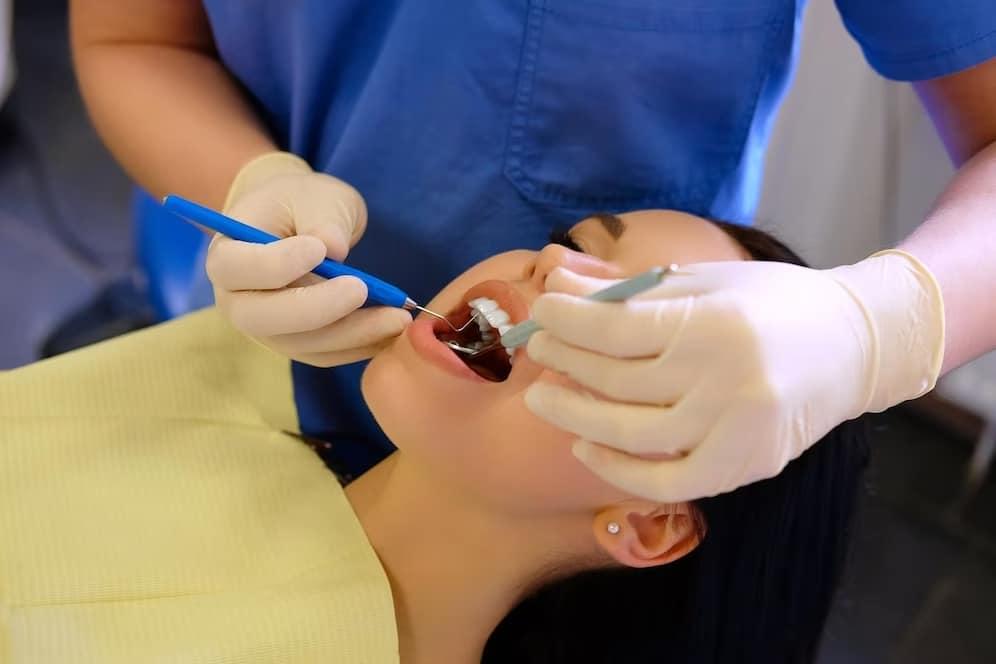
Getting a tooth removed can feel stressful, especially when stitches are involved. Many patients start wondering what is normal, what is not, and how long healing should take.
The good news is that dissolvable stitches are common after dental extractions. They help the gum tissue stay in place while your mouth heals. In most cases, they soften, loosen, and disappear on their own.
If you recently had an extraction in Cudahy, this guide will help you understand what to expect, how to care for your mouth, and when to call your dentist.
What Are Dissolvable Stitches?
Dissolvable stitches are special threads used to close or support gum tissue after tooth removal. Unlike regular stitches, they do not usually need to be removed at a follow-up visit.
These stitches slowly break down in the mouth. Your body absorbs them, or they fall away as the gum heals.
Dentists often use Dissolvable Stitches After Extractions because they make recovery easier for patients. They can help control bleeding, support the gum, and protect the healing area.
Why Dentists Use Them
Stitches after tooth extraction are not always needed. Simple extractions may heal without them. However, they are often used after surgical extractions, wisdom tooth removal, or cases where gum tissue needs extra support.
They may help:
- Keep the gum tissue in place
- Support blood clot formation
- Reduce bleeding
- Protect the extraction site
- Help the area heal more smoothly
The main goal is to support healing, not make the process scary.
When Dissolvable Stitches Are Common
Dissolvable stitches are often used after more involved dental procedures.
You may have them after:
- Wisdom tooth extractions
- Surgical tooth removals
- Broken tooth extractions
- Tooth removal near the gumline
- Bone grafting
- Dental implant preparation
If your dentist placed stitches, it simply means the area needed support while healing.
What to Expect During the First Few Days
The First 24 Hours
The first day is important. A blood clot starts forming in the socket where the tooth was removed. This clot protects the bone and helps healing begin.
You may notice mild bleeding, soreness, swelling, or a tight feeling around the stitches. This is usually normal.
Rest as much as possible and follow your aftercare instructions closely.
Days Two Through Four
Bleeding should slow down. Swelling may reach its highest point around this time, then slowly improve.
Your stitches may feel a little strange. You might notice the ends of the thread with your tongue. Try not to touch them.
The First Week
During the first week, the gum tissue starts closing more. Pain should slowly decrease. Eating may become easier.
Some stitches may start loosening. This can be normal, especially if they are made to dissolve quickly.
How Long Do Dissolvable Stitches Last?
The timing can vary. Some stitches dissolve quickly, while others last longer.
|
Stitch Type |
Typical Dissolving Time |
|
Fast-dissolving stitches |
Several days |
|
Standard dissolvable stitches |
One to two weeks |
|
Longer-lasting stitches |
Several weeks |
Healing time depends on your health, the type of extraction, and how well you follow aftercare instructions.
If stitches remain longer than expected, do not pull them. Call your dental office and ask what to do.
Can Dissolvable Stitches Fall Out Early?
Many patients ask, can dissolvable stitches fall out after only a few days? Yes, they can.
Sometimes they loosen as your gum begins healing. Small pieces may fall out while eating, brushing nearby teeth, or rinsing gently.
This is often not a problem if you do not have heavy bleeding, severe pain, swelling, pus, or a wide open wound.
However, if stitches fall out and the area looks open or painful, call your dentist. A quick check can give you peace of mind.
Signs Your Extraction Site Is Healing Well
Healing is usually moving in the right direction if symptoms improve day by day.
Good signs include:
- Less pain each day
- Reduced swelling
- Light bleeding that stops
- No bad taste or smell
- Gum tissue slowly closing
- Eating becoming easier
If you are in Cudahy and are unsure about healing, your dental office can check the area and guide you.
Warning Signs That Need Attention
Some symptoms are not normal and should be checked.
Call your dentist if you notice:
- Severe pain
- Heavy bleeding
- Bad taste
- Bad smell
- Fever
- Pus near the extraction site
- Swelling that gets worse
- Trouble opening your mouth
These signs may point to infection, dry socket, or delayed healing.
A Dentist for Tooth Extraction in Cudahy can examine the site and treat the problem early.
Tips for Faster Healing
Good aftercare can make recovery smoother.
Follow these simple tips:
- Follow your dentist’s instructions
- Eat soft foods
- Drink enough water
- Avoid smoking
- Avoid straws
- Do not spit forcefully
- Rest during the first day
- Keep your mouth clean
- Brush gently around the area
Soft foods like yogurt, soup, mashed potatoes, eggs, and applesauce are usually easier during the first few days.
Common Mistakes Patients Make
Touching the Stitches Constantly
It is tempting to check the stitches with your tongue. Try not to do that. Too much touching can loosen them or irritate the area.
Pulling Loose Threads
Never pull on a loose stitch. Even if it feels annoying, let it dissolve naturally or ask your dentist for advice.
Eating Hard or Crunchy Foods
Crunchy foods can disturb the extraction site. Avoid chips, nuts, popcorn, hard bread, and seeds until your dentist says it is safe.
Skipping Oral Hygiene
You still need to keep your mouth clean. Just be gentle around the extraction site.
Returning to Heavy Activity Too Soon
Heavy exercise can increase bleeding and swelling. Rest first, then return to normal activity as directed.
What If a Stitch Does Not Dissolve?
Sometimes a dissolvable stitch takes longer than expected. This does not always mean something is wrong.
If a stitch is still there after a few weeks, call your dentist. They may check the area and remove the remaining thread if needed.
This is usually quick and simple. Do not try to cut or pull the stitch at home.
Can You Brush Near Dissolvable Stitches?
Yes, but be gentle. Brush the rest of your mouth normally. Around the extraction area, use light pressure and avoid scrubbing the stitches.
Your dentist may recommend warm salt water rinses after the first day. If so, rinse gently. Do not swish hard.
Can Food Get Stuck Around Stitches?
Yes, small food pieces can get near the stitches. This can feel uncomfortable, but do not dig at the area.
Rinse gently with warm salt water if your dentist has allowed it. If food feels deeply stuck or causes pain, call your dental office.
Do Dissolvable Stitches Hurt?
The stitches themselves usually do not hurt. The soreness normally comes from the extraction area.
As the tissue heals, the stitches may feel tight, rough, or slightly irritating. This usually improves as they soften and dissolve.
Final Thoughts
Dissolvable stitches are a normal part of healing after many dental extractions. They help support the gum, protect the area, and make recovery smoother.
In most cases, they loosen or dissolve without any problem. If they fall out early but you feel fine, it may not be serious.
Still, watch for warning signs like heavy bleeding, severe pain, swelling, pus, fever, or bad smell. If you notice these symptoms in Cudahy, contact your dentist for care.
Related FAQs
How long do dissolvable stitches usually last?
Most dissolvable dental stitches last from several days to a few weeks. The timing depends on the stitch type, extraction difficulty, and your healing process.
Is it normal if stitches fall out early?
Yes, it can be normal if there is no heavy bleeding, strong pain, swelling, or open wound. If the area looks unusual, call your dentist.
Should I pull a loose stitch myself?
No, do not pull or cut a loose stitch yourself. It may still support healing tissue. Ask your dentist if it feels uncomfortable or does not dissolve.

 English
 French
 Spanish
 Portuguese
 Deutsch
 Turkish
 Dutch
Dutch
 Italiano
 Russian
 Romaian
 Portuguese (Brazil)
 Greek
Greek
