


A Complete Guide to Tooth Extraction and Recovery
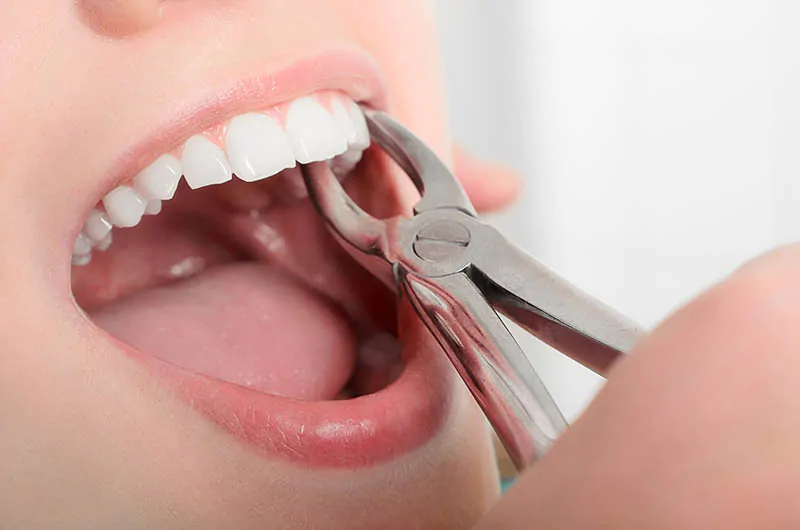
Tooth extraction can sound scary at first. Nobody really wants to hear that a tooth needs to come out. Still, sometimes removing a tooth is the best choice for your health. A badly damaged tooth can cause pain, swelling, infection, and even problems for nearby teeth.
The good news is that modern tooth removal is much safer and more comfortable than many people expect. Dentists use careful planning, numbing, and clear aftercare steps to make the process easier. If you are looking for Tooth Extraction in Cypress, it helps to understand what happens before, during, and after the procedure.
This guide explains why extractions are done, what to expect, and how to recover smoothly.
Why Tooth Extraction May Be Needed
Dentists usually try to save natural teeth whenever possible. A filling, crown, or root canal may help in many cases. But sometimes a tooth is too damaged to repair.
A tooth may need removal because of:
- Deep decay
- Severe infection
- Advanced gum disease
- A cracked or broken tooth
- Impacted wisdom teeth
- Crowding before orthodontic treatment
- A loose tooth with poor bone support
When a damaged tooth is left untreated, the problem can spread. Pain may get worse. Infection may affect the gums, jaw, or nearby teeth. In those cases, extraction can protect your overall oral health.
What Happens Before a Tooth Extraction?
Before the extraction, your dentist will examine your mouth. They may take X-rays to check the tooth roots, bone, and nearby structures. This helps the dentist plan the safest way to remove the tooth.
You should tell your dentist about any health conditions, medicines, allergies, or past dental problems. This information matters because it helps prevent complications.
The dentist will also explain the type of extraction you need. Some teeth are simple to remove. Others may need a surgical approach, especially if they are broken below the gumline or impacted.
If you are planning a Dental Extraction in Cypress, TX, ask questions during this visit. Knowing what to expect can help reduce fear and make the appointment feel easier.
Simple Extraction vs Surgical Extraction
Not every extraction is the same. The type depends on the tooth’s condition and position.
Simple Tooth Extraction
A simple extraction is done when the tooth is visible above the gumline. The dentist numbs the area, gently loosens the tooth, and removes it.
This type is often quicker and may have an easier recovery.
Surgical Tooth Extraction
A surgical extraction may be needed when the tooth is broken, trapped under the gum, or impacted. Wisdom teeth often need this type of removal.
The dentist may make a small opening in the gum to reach the tooth. Sometimes the tooth is removed in small sections. This makes the procedure safer and easier.
Is Tooth Extraction Painful?
This is one of the biggest questions patients ask. The procedure itself should not be painful because the area is numbed first.
You may feel pressure or movement, but you should not feel sharp pain. If you feel discomfort during the procedure, tell your dentist right away.
After the numbness wears off, soreness is normal. Your dentist may recommend pain medicine, cold compresses, and rest. Most discomfort improves over the next few days.
What Happens Right After the Tooth Is Removed?
After the tooth is removed, your dentist places gauze over the socket. This helps control bleeding and allows a blood clot to form.
The blood clot is very important. It protects the bone and nerves underneath. It also helps the area heal properly.
Your dentist will give you aftercare instructions. Follow them carefully. Good aftercare can help prevent dry socket, infection, and delayed healing.
The First Night After Tooth Extraction
The first night after tooth extraction is important for healing. You may feel sore, tired, or swollen. That is normal.
Keep the gauze in place as directed. If bleeding continues, change the gauze with clean hands. Bite down gently to apply pressure.
Sleep with your head slightly raised. This can help reduce swelling and bleeding. Avoid sleeping flat if your dentist advises against it.
Do not use a straw. Do not smoke. Do not spit hard. These actions can disturb the blood clot.
Eat soft foods like yogurt, applesauce, mashed potatoes, soup, or eggs. Avoid hot, crunchy, spicy, or hard foods during the first day.
Drink water, but sip gently from a cup.
Tooth Extraction Recovery Timeline
Healing is different for everyone, but most people follow a similar pattern.
First Day
Mild bleeding, soreness, and swelling are common. Rest and avoid heavy activity.
Second to Third Day
Swelling may peak and then begin to improve. You may still need soft foods.
First Week
Pain should continue to decrease. You may be able to return to more normal eating habits.
Two Weeks and Beyond
The gum tissue usually closes more. Deeper bone healing continues for several weeks.
If pain gets worse after a few days instead of better, call your dentist.
Foods to Eat After Tooth Extraction
Soft foods are best during early healing. Choose foods that are easy to chew and do not get stuck in the socket.
Good choices include:
- Yogurt
- Scrambled eggs
- Mashed potatoes
- Applesauce
- Smoothies without a straw
- Soft pasta
- Soup that is warm, not hot
- Oatmeal
Avoid chips, nuts, popcorn, seeds, hard bread, and sticky candy. These can irritate the area or get trapped in the socket.
What to Avoid During Recovery
Some habits can slow healing or cause problems.
Avoid:
- Smoking
- Vaping
- Drinking through a straw
- Spitting forcefully
- Heavy exercise too soon
- Touching the socket with your tongue or finger
- Eating crunchy foods
- Rinsing hard during the first day
These steps help protect the blood clot and lower the risk of dry socket.
Signs of Normal Healing
Most healing signs are mild and improve slowly.
Normal signs may include:
- Light bleeding at first
- Mild swelling
- Soreness
- Tender gums
- Slight jaw stiffness
- Better comfort each day
You should feel gradual improvement. That is a good sign.
When to Call Your Dentist
Sometimes recovery does not go as expected. Call your dentist if you notice:
- Severe pain
- Heavy bleeding
- Fever
- Pus
- Bad taste or bad smell
- Swelling that gets worse
- Trouble opening your mouth
- Pain that spreads to the ear or jaw
These signs may mean infection, dry socket, or another issue that needs care.
If you had Tooth Extraction in Cypress and are worried about healing, a quick dental check can give you peace of mind.
How to Heal Faster After Extraction
You cannot rush healing completely, but you can support it.
Follow your dentist’s instructions. Rest during the first day. Eat soft foods. Drink plenty of water. Keep your mouth clean.
After the first day, your dentist may recommend gentle salt water rinses. Do not swish hard. Let the water move softly around your mouth.
Brush your other teeth as usual, but be careful near the extraction site.
Replacing a Removed Tooth
Not every removed tooth needs replacement. Wisdom teeth usually do not need to be replaced. But if a front tooth or chewing tooth is removed, replacement may be important.
A missing tooth can affect chewing, speech, and bite alignment. Nearby teeth may shift into the space over time.
Replacement options may include:
- Dental implant
- Dental bridge
- Partial denture
Your dentist can explain which option fits your mouth and budget.
Final Thoughts
Tooth extraction may feel stressful, but it can be the right step when a tooth is badly damaged or infected. The procedure is usually more comfortable than people expect, especially with proper numbing and planning.
Recovery also becomes easier when you follow aftercare instructions. Protect the blood clot, eat soft foods, rest, and avoid smoking or straws.
If you are considering Dental Extraction in Cypress, TX, schedule a dental exam first. Your dentist can explain your options, answer your questions, and help you recover safely.
Related FAQs
How long does tooth extraction recovery take?
Most people feel better within a few days, but full healing takes longer. Gum tissue may close within one to two weeks, while deeper bone healing can continue for several weeks.
What should I avoid after tooth extraction?
Avoid smoking, straws, spitting hard, crunchy foods, heavy exercise, and touching the socket. These habits can disturb the blood clot and slow down healing.
Is the first night after extraction painful?
The first night may feel sore or uncomfortable, but pain is usually manageable. Follow your dentist’s instructions, rest, keep your head raised, and eat soft foods.


 English
 Arabic
 French
 Spanish
 Portuguese
 Deutsch
 Turkish
 Dutch
Dutch
 Italiano
 Russian
 Romaian
 Portuguese (Brazil)
