


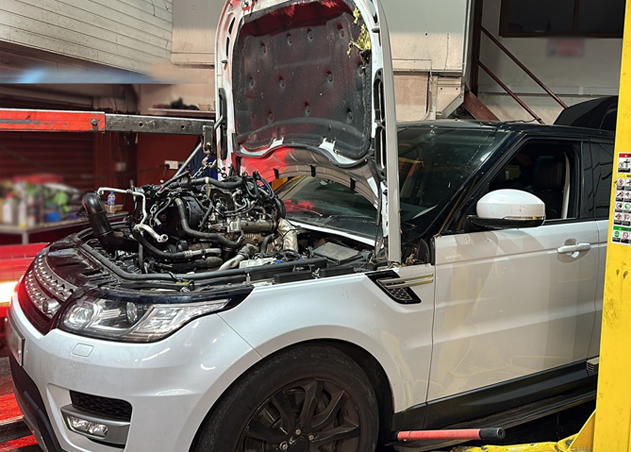
Range Rover Engine: Performance, Innovation, and Reliability
Introduction
Range Rover vehicles are recognized worldwide for their luxury, off-road capability, and advanced engineering. One of the most important components behind their reputation is the Range Rover engine. Designed to deliver a balance of power, efficiency, and durability, Range Rover engines have evolved significantly over the years. From traditional gasoline and diesel engines to modern hybrid powertrains, these engines showcase the brand’s commitment to innovation and performance.
This article explores the history, types, features, benefits, and maintenance of Range Rover engines, helping readers understand why they are considered among the most capable engines in the luxury SUV market.
The Evolution of Range Rover Engines
Since the launch of the first Range Rover in 1970, the company has continuously improved its engine technology. Early models were equipped with V8 engines that focused primarily on power and off-road performance. As environmental regulations and customer expectations changed, engineers developed more efficient and technologically advanced engines.
Modern Range Rover vehicles now feature turbocharged gasoline engines, diesel engines, mild-hybrid systems, plug-in hybrid technology, and even fully electric developments. This evolution reflects the automotive industry's shift toward cleaner and more efficient mobility while maintaining the performance expected from a luxury SUV.
Types of Range Rover Engines
Petrol Engines
Range Rover petrol engines are designed for drivers who prioritize smooth acceleration and high performance. These engines typically include turbocharged four-cylinder, six-cylinder, and V8 configurations.
The V8 engines are particularly known for their impressive horsepower and torque output. They provide quick acceleration and a refined driving experience, making them ideal for both city roads and highways.
Diesel Engines
Diesel engines have long been popular in Range Rover vehicles due to their excellent fuel economy and strong towing capabilities. These engines generate significant torque at low engine speeds, making them suitable for off-road adventures and heavy-duty tasks.
Modern diesel engines also feature advanced emission control systems that reduce environmental impact while maintaining performance.
Hybrid Engines
As sustainability becomes increasingly important, Range Rover has introduced hybrid powertrains that combine traditional internal combustion engines with electric motors. Hybrid systems improve fuel efficiency, reduce emissions, and provide additional power when needed.
Plug-in hybrid models allow drivers to travel short distances using electric power alone, making them practical for daily commuting while still offering long-range capability.
Key Features of Range Rover Engines
Turbocharging Technology
Many modern Range Rover engines utilize turbochargers to improve performance and efficiency. A turbocharger increases the amount of air entering the engine, allowing more fuel to be burned and generating greater power without significantly increasing engine size.
This technology enables smaller engines to deliver performance levels comparable to larger naturally aspirated engines while consuming less fuel.
Advanced Fuel Injection
Range Rover engines use sophisticated fuel injection systems that precisely control the amount of fuel delivered to the combustion chamber. This improves fuel efficiency, reduces emissions, and enhances engine responsiveness.
Precise fuel delivery also contributes to smoother operation and better overall driving performance.
Mild-Hybrid Systems
Many newer Range Rover models feature mild-hybrid technology. This system captures energy during braking and stores it in a battery, which can then assist the engine during acceleration.
The result is improved fuel economy, reduced emissions, and enhanced driving smoothness.
Lightweight Construction
Engine components are often manufactured using lightweight materials such as aluminum. This reduces overall vehicle weight, improving fuel efficiency and handling while maintaining strength and durability.
Performance Capabilities
One of the defining characteristics of a Range Rover engine is its ability to deliver strong performance in various driving conditions.
On-Road Performance
Range Rover engines provide smooth power delivery and excellent acceleration. Whether navigating city streets or cruising on highways, these engines offer a refined and comfortable driving experience.
The advanced engine management systems continuously optimize performance to ensure responsiveness and efficiency.
Off-Road Capability
Range Rover vehicles are famous for their off-road performance, and the engine plays a crucial role in achieving this capability. High torque output allows the vehicle to tackle steep inclines, rocky terrain, mud, and sand with confidence.
Combined with sophisticated four-wheel-drive systems, Range Rover engines help drivers navigate challenging environments while maintaining control and stability.
Towing Power
Many Range Rover engines are designed to handle substantial towing loads. Their strong torque characteristics make them suitable for pulling trailers, boats, and caravans.
This versatility makes Range Rover vehicles attractive to both adventure enthusiasts and families who require additional hauling capability.
Fuel Efficiency and Environmental Considerations
Modern Range Rover engines are engineered to balance performance with efficiency. Several technologies contribute to improved fuel economy, including:
-
Start-stop systems that automatically shut off the engine when the vehicle is stationary.
-
Turbocharging for better power output with lower fuel consumption.
-
Hybrid assistance to reduce reliance on the combustion engine.
-
Advanced transmission systems that optimize engine performance.
These features help lower fuel costs and reduce carbon emissions without compromising driving enjoyment.
Common Engine Maintenance Practices
Proper maintenance is essential for ensuring the longevity and reliability of a Range Rover engine. Regular servicing can prevent costly repairs and maintain optimal performance.
Oil Changes
Engine oil lubricates moving components and reduces wear. Following the manufacturer’s recommended oil change intervals helps keep the engine running smoothly.
Air Filter Replacement
A clean air filter ensures sufficient airflow to the engine, improving fuel efficiency and performance. Replacing dirty filters is a simple yet important maintenance task.
Cooling System Inspection
The cooling system prevents the engine from overheating. Regular checks of coolant levels, hoses, and radiators help maintain safe operating temperatures.
Fuel System Maintenance
Keeping the fuel system clean ensures efficient combustion and prevents performance issues. High-quality fuel and periodic inspections can help maintain engine health.
Diagnostic Checks
Modern Range Rover engines rely heavily on electronic control systems. Routine diagnostic scans can identify potential issues before they become serious problems.
Reliability and Durability
Range Rover engines are engineered to withstand demanding conditions. With proper maintenance, many engines can provide years of dependable service. Advances in manufacturing techniques, materials, and quality control have significantly improved engine reliability in recent generations.
However, like any high-performance vehicle, regular servicing by qualified technicians is essential for maintaining long-term durability.
The Future of Range Rover Engines
The automotive industry is moving toward electrification, and Range Rover is actively embracing this transition. Future models are expected to feature increasingly advanced hybrid systems and fully electric powertrains.
Despite these changes, the brand remains committed to delivering the performance, luxury, and capability that customers expect. Future engine technologies will likely focus on greater efficiency, lower emissions, and enhanced driving experiences.
Conclusion
The Range Rover engine represents a blend of power, innovation, and engineering excellence. From traditional V8 powerplants to advanced hybrid systems, these engines have continuously evolved to meet changing customer needs and environmental standards. Their combination of strong performance, fuel efficiency, off-road capability, and technological sophistication makes them a key component of the Range Rover experience.
Whether used for daily commuting, long-distance travel, towing, or off-road exploration, a well-maintained Range Rover engine provides the reliability and performance that have made the brand a leader in the luxury SUV market. As automotive technology continues to advance, Range Rover engines will remain at the forefront of innovation while preserving the capability and refinement for which the brand is known.

 English
 Arabic
 French
 Spanish
 Portuguese
 Turkish
 Dutch
Dutch
 Italiano
 Russian
 Romaian
 Portuguese (Brazil)
 Greek
Greek
