


Workforce Planning Software for Better Talent Management
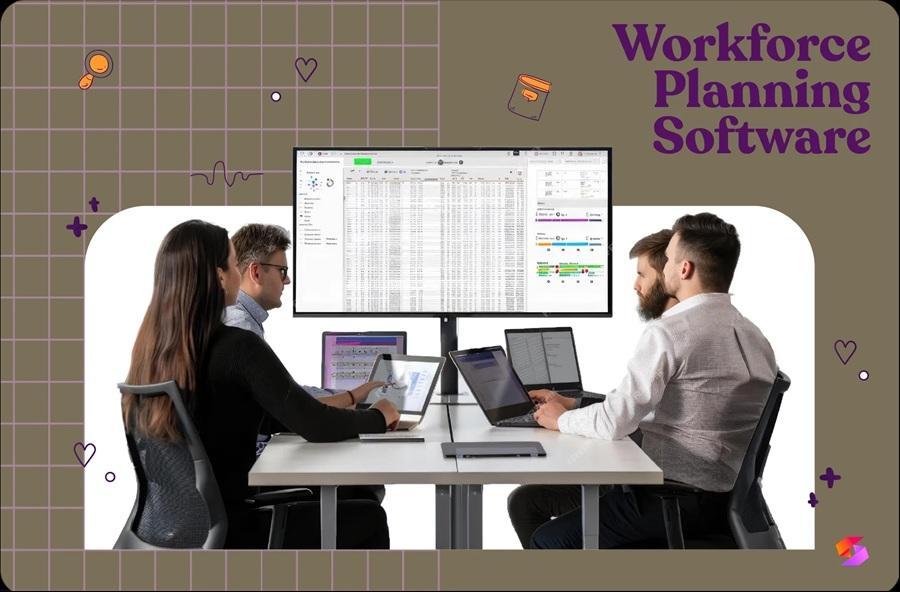
Managing talent effectively has become one of the biggest priorities for modern businesses. Companies need skilled employees, strong leadership pipelines, and the ability to adapt to changing workforce demands. However, achieving these goals is not always easy. Many organizations struggle with workforce shortages, skill gaps, employee turnover, and ineffective resource allocation.
This is where workforce planning software becomes valuable. It helps businesses understand their current workforce, predict future talent needs, and create strategies that support long-term growth. Instead of making workforce decisions based on assumptions, organizations can use real-time data and insights to build a stronger and more productive workforce.
In this article, we will explore how workforce planning software supports better talent management and why it has become an essential investment for businesses of all sizes.
What Is Workforce Planning Software?
Workforce planning software is a solution that helps organizations analyze, manage, and forecast workforce requirements. It combines employee data, workforce trends, business goals, and performance metrics to provide a clear picture of workforce needs.
The software helps organizations:
- Forecast future hiring needs
- Identify workforce gaps
- Improve employee utilization
- Support succession planning
- Align talent strategies with business objectives
By providing accurate workforce insights, businesses can make smarter decisions about recruitment, training, and employee development.
Why Talent Management Matters
Talent management involves attracting, developing, retaining, and utilizing employees effectively. A strong talent management strategy ensures that businesses have the right people with the right skills to achieve organizational goals.
Without proper talent management, companies often face challenges such as:
- High employee turnover
- Skill shortages
- Reduced productivity
- Increased recruitment costs
- Leadership gaps
Effective workforce planning helps organizations overcome these challenges and create a more stable and capable workforce.
How Workforce Planning Software Improves Talent Management
Provides Better Workforce Visibility
One of the biggest challenges for HR teams is gaining a complete understanding of their workforce.
Workforce planning software centralizes employee information and workforce data in one place. Managers can access insights about employee skills, experience levels, performance trends, and workforce availability.
This visibility helps organizations make informed talent decisions and identify opportunities for workforce improvement.
Helps Identify Skill Gaps Early
Business requirements continue to evolve. New technologies, changing customer expectations, and industry developments often create demand for new skills.
Workforce planning software helps organizations compare current workforce capabilities with future business needs. This process makes it easier to identify skill shortages before they affect operations.
When businesses understand their workforce gaps, they can invest in targeted training programs, employee development initiatives, and strategic hiring efforts.
Supports Strategic Hiring Decisions
Recruitment becomes more effective when companies understand exactly what talent they need.
Workforce planning software uses historical data, workforce trends, and business forecasts to predict future staffing requirements. Instead of hiring reactively, organizations can plan recruitment activities in advance.
This proactive approach offers several benefits:
- Reduces recruitment costs
- Improves hiring accuracy
- Shortens hiring timelines
- Ensures better workforce readiness
As a result, businesses can attract talent more efficiently and avoid workforce shortages.
Enhances Employee Development Programs
Successful organizations recognize that employee development is just as important as recruitment.
Workforce planning software provides valuable insights into employee strengths, performance levels, and career progression opportunities. HR teams can use this information to create development plans that align with both employee goals and business objectives.
Employees who receive growth opportunities often feel more engaged and motivated. This leads to improved job satisfaction and higher retention rates.
Creates Personalized Learning Paths
Every employee has unique skills and development needs.
Modern workforce planning software helps managers identify specific areas where employees can improve. Organizations can then provide customized training programs that support professional growth.
This personalized approach helps employees develop relevant skills while preparing for future responsibilities within the company.
Improves Employee Retention
Retaining skilled employees is often more cost-effective than recruiting new ones.
Workforce planning software helps organizations identify trends that may indicate employee dissatisfaction or retention risks. Managers can monitor workforce patterns, employee engagement levels, and turnover data to address concerns early.
When businesses understand why employees leave, they can take proactive steps to improve workplace satisfaction and reduce turnover.
Supports Succession Planning
Many organizations face challenges when key employees leave unexpectedly. Leadership gaps can disrupt operations and slow business growth.
Workforce planning software helps businesses build strong succession plans by identifying high-potential employees and future leaders.
The software allows managers to track employee performance, leadership readiness, and development progress. This ensures that qualified candidates are prepared to step into critical roles when needed.
Reduces Business Disruptions
Succession planning helps organizations maintain continuity during workforce transitions.
When leadership positions become vacant, businesses can quickly fill them with trained internal candidates rather than starting lengthy external recruitment processes.
This reduces operational disruptions and protects organizational knowledge.
Improves Workforce Allocation
Effective talent management involves more than hiring and development. Businesses must also ensure that employees work in roles where they can contribute most effectively.
Workforce planning software helps managers evaluate workforce capacity, project requirements, and employee availability.
This information enables better workforce allocation across departments and projects.
Organizations can:
- Balance workloads more effectively
- Improve team productivity
- Reduce employee burnout
- Maximize workforce efficiency
Better workforce utilization leads to stronger business performance and improved employee satisfaction.
Enables Data-Driven Decision Making
Traditional workforce planning often relies on manual spreadsheets and assumptions. These methods can create inaccuracies and limit strategic planning.
Workforce planning software provides real-time analytics and reporting capabilities. Leaders can access accurate workforce information whenever they need it.
Data-driven decision-making helps organizations:
Forecast Future Workforce Needs
Businesses can predict staffing requirements based on growth plans, project demands, and market conditions.
Analyze Workforce Trends
Organizations can monitor turnover rates, workforce demographics, and productivity trends to identify potential issues.
Measure Talent Management Success
Managers can evaluate the effectiveness of hiring, training, and retention strategies using measurable workforce data.
These insights support continuous improvement across all areas of talent management.
Aligns Talent Strategy with Business Goals
One of the biggest advantages of workforce planning software is its ability to connect workforce decisions with business objectives.
Organizations can ensure that workforce strategies support long-term growth, expansion plans, and operational goals.
For example, if a company plans to enter a new market, workforce planning software can help determine:
- Required workforce size
- Necessary skills and expertise
- Recruitment timelines
- Training requirements
This alignment creates a stronger connection between talent management and business success.
Supports Hybrid and Remote Workforces
The modern workplace continues to evolve. Many organizations now manage hybrid and remote teams across different locations.
Workforce planning software helps businesses monitor workforce capacity, productivity, and resource availability regardless of where employees work.
Managers gain better visibility into workforce performance while ensuring that teams remain aligned with organizational goals.
This flexibility helps businesses adapt to changing workforce models while maintaining efficiency.
Key Features to Look for in Workforce Planning Software
Choosing the right solution is important for achieving talent management goals.
Organizations should look for workforce planning software that includes:
- Workforce forecasting capabilities
- Skill gap analysis
- Employee performance tracking
- Succession planning tools
- Workforce analytics and reporting
- Resource management features
- Employee development support
- Integration with HR systems
These features provide the insights needed to manage talent more effectively and support future growth.
The Future of Workforce Planning and Talent Management
As workforce challenges become more complex, organizations need smarter ways to manage talent. Workforce planning software continues to evolve by providing deeper workforce insights, improved forecasting capabilities, and stronger workforce analytics.
Businesses that invest in workforce planning today position themselves for long-term success. They gain the ability to anticipate workforce needs, develop employee skills, and build stronger teams that support organizational goals.
Conclusion
Effective talent management requires more than simply hiring employees. Organizations must understand workforce trends, develop employee skills, plan for future workforce needs, and create strategies that support business growth.
Workforce planning software helps businesses achieve these goals by providing workforce visibility, improving talent forecasting, identifying skill gaps, supporting succession planning, and enhancing employee development. It enables organizations to make smarter workforce decisions while creating a more engaged and productive workforce.
Companies that adopt workforce planning software can strengthen their talent management strategies, improve workforce efficiency, and build a foundation for sustainable growth in an increasingly competitive business environment.

 English
 Arabic
 French
 Spanish
 Portuguese
 Deutsch
 Turkish
 Dutch
Dutch
 Italiano
 Russian
 Portuguese (Brazil)
 Greek
Greek
