


Why Your Duplicate Key May Not Work Smoothly
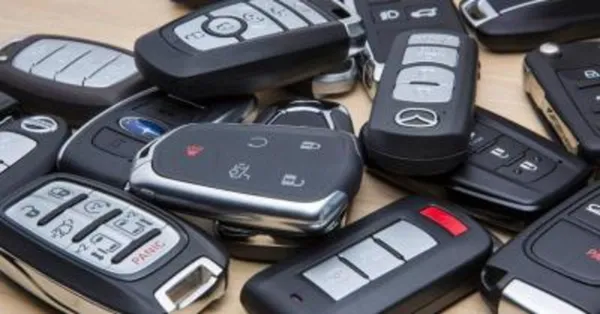
Getting a duplicate key made seems like a simple task. You visit a key shop, hand over your original key, wait a few minutes, and expect the new key to work exactly the same. In many cases, it does. A properly cut duplicate key should enter the lock smoothly, turn without force, and open the door without any extra effort.
But sometimes a duplicate key does not work smoothly. It may feel rough, get stuck halfway, turn only after several attempts, or work on one side of the lock but not the other. Many people think the new key is completely useless, but the real reason can be more complicated. The problem may be with the duplicate key, the original key, the lock cylinder, the door alignment, or even the key blank used for copying.
Before searching for a key shop near me again and making another copy, it is important to understand why duplicate keys fail and what should be checked first. A bad duplicate key can be frustrating, but using it repeatedly can also damage the lock over time.
Why Duplicate Keys Sometimes Feel Different
A duplicate key is usually made by copying the shape of an existing key. The cutting machine follows the original key and creates a matching pattern on a blank key. If the original key is accurate and the machine is properly adjusted, the new key should work well.
However, even a small difference in cutting depth, edge shape, blank size, or key alignment can affect how the duplicate works inside the lock. Door locks depend on accuracy. The key must lift the internal pins or wafers to the correct height. If the cuts are slightly too high, too low, too rough, or uneven, the lock may not turn smoothly.
This is why one duplicate key may work perfectly while another one feels rough, even when both were copied from the same original key.
The Original Key May Already Be Worn
One of the biggest reasons duplicate keys do not work properly is that the original key is already worn. Many people use the same key for years before making a spare. By that time, the edges may be rounded, the cuts may be shallow, and the key may no longer match the lock as accurately as it once did.
When a worn key is copied, the new duplicate may copy the worn shape. It does not restore the key to its original factory condition. If the old key already needs a little push, lift, or wiggle to open the lock, the duplicate may need the same tricks or may work even worse.
Signs your original key may be too worn to copy include:
-
Rounded key edges
-
Thin or weak key blade
-
Key needs to be lifted before turning
-
Key works only after several attempts
-
Key feels loose inside the lock
-
Key is already a copy of another copy
-
Key has visible scratches or uneven cuts
-
Key bends slightly during use
The best time to make a spare key is before the original becomes badly worn. If the original key is already old and unreliable, it may be better to have the lock inspected instead of making repeated copies.
The Duplicate May Have Been Cut Incorrectly
Sometimes the issue is simply poor key cutting. A duplicate key must be cut accurately. If the cutting machine is not calibrated properly or the key is not placed correctly during copying, the new key may not match the original.
A poorly cut key may:
-
Feel rough when inserted
-
Stop before entering fully
-
Turn only with force
-
Work in one direction but not the other
-
Get stuck inside the lock
-
Work sometimes but not always
-
Make the lock feel tight
-
Damage internal lock parts over time
Even a small mistake can cause problems. The cuts on a key are not random. They are designed to match the lock’s internal mechanism. If the cut is slightly too deep or too shallow, the pins may not line up correctly, and the lock will resist turning.
If your new duplicate key feels rough from the first use, stop using it repeatedly. Take it back for correction or have the key and lock checked properly.
The Wrong Key Blank May Have Been Used
A key blank is the uncut key used to make a duplicate. It must match the original key type, profile, thickness, and groove pattern. If the wrong blank is used, the key may look similar but still not fit correctly inside the lock.
A wrong blank can cause the key to:
-
Enter halfway only
-
Rub against the keyway
-
Feel too tight
-
Fail to turn
-
Work only with force
-
Damage the cylinder
-
Get stuck
This is especially common when the original key has a specific profile or belongs to a less common lock type. Some keys may look similar from the outside, but the grooves and thickness can be different.
A good key shop should check the blank carefully before cutting. If the blank is not correct, even accurate cutting will not make the key work smoothly.
Your Lock May Be the Real Problem
A duplicate key does not always fail because of the key. Sometimes the lock itself is the problem. If the lock cylinder is dirty, worn, loose, dry, or misaligned, even a good key may feel bad.
The lock may be the problem if:
-
The original key also feels rough
-
All spare keys have the same issue
-
The key works when the door is open but not closed
-
The lock makes grinding sounds
-
The cylinder feels loose
-
The door needs pressure to lock
-
The key gets stuck often
-
The lock is old or heavily used
In this situation, making another duplicate may not solve the issue. The new key will be forced to work inside a lock that is already under stress. This can wear the key faster and may eventually cause it to break.
Before visiting a key shop near me, test the original key and the duplicate key carefully. If both keys feel difficult, the lock should be checked.
Door Alignment Can Make a Good Key Feel Bad
Many people do not realise that door alignment can affect how a key works. A lock may turn smoothly when the door is open but become hard to turn when the door is closed. This usually means the latch or bolt is not lining up properly with the strike plate.
This can happen because of:
-
Loose hinges
-
Door sagging
-
Frame movement
-
Heat expansion
-
Strike plate misalignment
-
Poor lock installation
-
Door rubbing against the frame
-
Latch pressure
When the door is closed, pressure is placed on the lock. The key then has to turn against that pressure. This makes the key feel stiff, even if the key itself is fine.
A simple test can help. Open the door and turn the key. Then close the door and try again. If the key works smoothly when open but becomes tight when closed, the problem is likely door alignment, not the duplicate key.
In this case, another key copy will not fix the issue. The door, latch, frame, or strike plate needs adjustment.
Dust and Dirt Inside the Lock
Dust, dirt, and small particles can build up inside the lock cylinder over time. This is common in outdoor doors, shop shutters, villa gates, apartments near construction areas, and locks exposed to daily use.
When dust enters the keyway, it can make the duplicate key feel rough. If old oil or poor lubricant is already inside the lock, dust can mix with it and create a sticky buildup.
Signs of dirt inside the lock include:
-
Key feels gritty
-
Lock makes scraping sounds
-
Key does not enter smoothly
-
Key gets stuck halfway
-
Lock turns better after several attempts
-
Duplicate keys wear quickly
-
The key comes out dirty
Many people try to fix this by adding oil, but heavy oil can attract even more dust. A lock should be cleaned and lubricated properly using the right method. If the lock is very dirty or worn, professional servicing may be needed.
A Newly Cut Key May Have Sharp Edges
Sometimes a duplicate key works roughly because it has sharp edges or small metal burrs left after cutting. These tiny rough edges can scrape inside the lock and make the key feel stiff.
A good key cutting process should include smoothing or brushing the key after cutting. If this step is skipped, the key may need extra force to enter or turn.
Signs of burrs on a duplicate key include:
-
Key feels scratchy
-
Key enters roughly
-
Small metal flakes appear
-
Lock feels rough only with the new key
-
Original key works better
-
Key improves slightly after several uses
While some roughness may reduce after use, it is not a good idea to force a sharp or unfinished key inside the lock. It can damage the cylinder. The duplicate should be cleaned and corrected before regular use.
The Duplicate Was Copied From Another Duplicate
Keys are often copied many times over the years. A tenant may copy a key from a spare key. A family member may copy from that copy. An office may make more copies from an already duplicated key. Each time a key is copied, small inaccuracies can increase.
A duplicate made from another duplicate may not match the lock as well as the original. After several generations of copying, the key may become less accurate.
This can cause:
-
Rough turning
-
Key not entering fully
-
Key needing to be lifted
-
Lock not opening every time
-
Faster wear on the lock
-
Multiple poor copies
Whenever possible, make a duplicate from the best original key, not from an old copy. If no accurate original is available, the lock may need to be decoded, rekeyed, or replaced depending on the situation.
The Lock Cylinder May Be Worn
A lock cylinder contains small internal parts that respond to the key. Over time, these parts wear down. If the cylinder is old or heavily used, it may not respond properly to a new duplicate key.
A worn cylinder may cause:
-
Key turning unevenly
-
Key feeling loose
-
Key working only at certain angles
-
Duplicate key failing quickly
-
Lock needing several attempts
-
Cylinder moving during use
-
Lock jamming without warning
If the cylinder is worn, a better key may help for a short time but will not solve the root problem. The lock may need repair, rekeying, or replacement.
The Key May Be Slightly Bent
A duplicate key can also become bent if it is made from weak material, carried carelessly, or used with force. Even a small bend can affect how the key enters the lock.
A bent key may:
-
Rub against the keyway
-
Stop halfway
-
Turn with force
-
Get stuck inside the lock
-
Damage the pins or wafers
-
Break if forced
Hold the key flat and compare it with the original. If it is not straight, do not use it. A bent key should be replaced before it causes lock damage.
The Key Works on One Side but Not the Other
Some locks, especially double-sided cylinders or certain door lock systems, may behave differently from each side. A duplicate key may work from outside but not inside, or it may turn better on one side.
This can happen because of:
-
Cylinder wear
-
Internal misalignment
-
Poor duplicate cutting
-
Wrong blank
-
Installation issue
-
Different wear on each side of the lock
If the original key works on both sides but the duplicate does not, the duplicate may be inaccurate. If both keys have trouble on one side, the cylinder may need inspection.
The Lock Has Been Forced Before
If a lock has been forced, picked, damaged, or used roughly, a new duplicate key may not work smoothly. The keyway may be slightly damaged, internal pins may be affected, or the lock body may no longer sit correctly.
Signs of previous lock damage include:
-
Scratches around the cylinder
-
Keyway looks bent
-
Lock plate is loose
-
Handle feels unstable
-
Key enters at an angle
-
Lock turns unevenly
-
Door frame has marks
A duplicate key cannot fix a damaged lock. If the lock has been forced or damaged, it should be repaired or replaced for security reasons.
Weather Can Affect Locks and Keys
Weather can also play a role, especially in places with heat, dust, humidity, or outdoor exposure. Heat can affect door alignment. Dust can enter the cylinder. Humidity can make some lock parts stiff or corroded over time.
Weather-related lock problems may include:
-
Key turning harder during hot hours
-
Outdoor locks becoming rough
-
Gate locks collecting dust
-
Smart lock backup cylinders becoming stiff
-
Door frames shifting slightly
-
Lock parts ageing faster
If the duplicate key only struggles at certain times or on outdoor doors, the issue may be related to the lock environment, not only the key.
Why You Should Not Force a Duplicate Key
If a duplicate key does not work smoothly, forcing it can make the problem worse. Many people push harder, twist harder, or keep trying until the lock opens. This may work once, but it increases the risk of damage.
Forcing a duplicate key can cause:
-
Key bending
-
Key breaking inside the lock
-
Cylinder damage
-
Internal pin damage
-
Latch pressure
-
Lock jamming
-
Door hardware damage
A broken key inside the lock can be much harder to fix than a rough duplicate key. If the key does not turn smoothly, stop and inspect the cause.
What to Check Before Blaming the Key Shop
Before assuming the duplicate key was made badly, test the situation carefully.
Check the following:
-
Does the original key work smoothly?
-
Does the duplicate enter fully?
-
Does the duplicate work when the door is open?
-
Does it fail only when the door is closed?
-
Does the lock feel loose?
-
Does the key have sharp edges?
-
Is the duplicate slightly bent?
-
Was it copied from an old key?
-
Does another spare key work?
-
Does the lock make rough sounds?
These checks can help identify whether the problem is the key, the lock, or the door.
When You Should Get the Duplicate Corrected
You should get the duplicate corrected if:
-
The original key works smoothly
-
Only the duplicate key fails
-
The duplicate has sharp edges
-
The key does not enter fully
-
The key feels different from the original
-
The duplicate works after lifting or wiggling
-
The key was newly made and rough from the start
In this case, take the key back and explain the issue clearly. A proper correction may solve the problem.
When You Need Lock Repair Instead
Lock repair may be needed if:
-
All keys feel rough
-
The lock is old
-
The cylinder is loose
-
The key gets stuck often
-
The door needs pressure to lock
-
The key works only when the door is open
-
The lock makes grinding sounds
-
The duplicate and original both fail
-
The lock was damaged before
If these signs are present, making another key will not solve the root cause.
When Rekeying May Be Better
Rekeying means changing the internal pins of the lock so a new key works and old keys stop working. This can be useful if the lock body is still in good condition but the key control is poor.
Rekeying may be helpful when:
-
You lost a key
-
Too many copies exist
-
You moved into a new property
-
Old tenants may still have keys
-
Staff access changed
-
You want fresh key control without replacing the full lock
However, if the lock is damaged, worn, loose, or unreliable, replacement may be better than rekeying.
When Lock Replacement Is the Best Option
Sometimes the lock is too old or damaged to fix properly. In that case, replacing the lock is the safer choice.
Lock replacement may be needed when:
-
The cylinder is badly worn
-
The lock has been forced
-
The lock keeps jamming
-
The key breaks repeatedly
-
The lock body is loose
-
Internal parts are failing
-
Door security is weak
-
You want a stronger lock
A new key cannot make an old damaged lock secure. If the lock is unreliable, replacing it may save future trouble.
How to Avoid Duplicate Key Problems
You can avoid many duplicate key issues by following simple steps.
Helpful tips include:
-
Make spare keys before the original wears out
-
Use the best original key for copying
-
Avoid copying from a duplicate key
-
Check the blank before cutting
-
Test the new key immediately
-
Do not force a rough key
-
Keep keys clean and straight
-
Fix stiff locks early
-
Avoid using bent keys
-
Keep spare keys in a safe place
-
Replace worn locks before failure
Good key habits can protect both your key and your lock.
Should You Visit a Key Shop or Call a Locksmith?
A key shop is usually enough if you only need a spare key and the lock works smoothly. If the original key is in good condition and only the duplicate is faulty, a key correction or new copy may solve the issue.
But if the lock itself is rough, loose, stuck, misaligned, or unreliable, you may need locksmith help instead. A locksmith can check the lock cylinder, latch, strike plate, door alignment, and key condition.
Before searching for a key shop near me, ask yourself whether the key is really the problem. If all keys feel bad, the issue is probably deeper than duplication.
Final Thoughts
A duplicate key may not work smoothly for many reasons. It may be cut incorrectly, made from the wrong blank, copied from a worn key, left with sharp edges, or slightly bent. But the problem may also be inside the lock. Dust, worn cylinders, loose parts, door alignment issues, and damaged mechanisms can all make a good duplicate key feel bad.
The best approach is to compare the duplicate with the original, test the lock with the door open and closed, and check whether all keys have the same issue. If only the duplicate fails, it may need correction. If every key struggles, the lock likely needs attention.
A duplicate key should work smoothly without force. If it does not, do not keep pushing it into the lock. Fixing the cause early can prevent broken keys, jammed locks, lockouts, and expensive repairs later.

 English
 Arabic
 French
 Portuguese
 Deutsch
 Turkish
 Dutch
Dutch
 Italiano
 Russian
 Romaian
 Portuguese (Brazil)
 Greek
Greek
