


What Happens During Otoplasty Surgery in Islamabad?
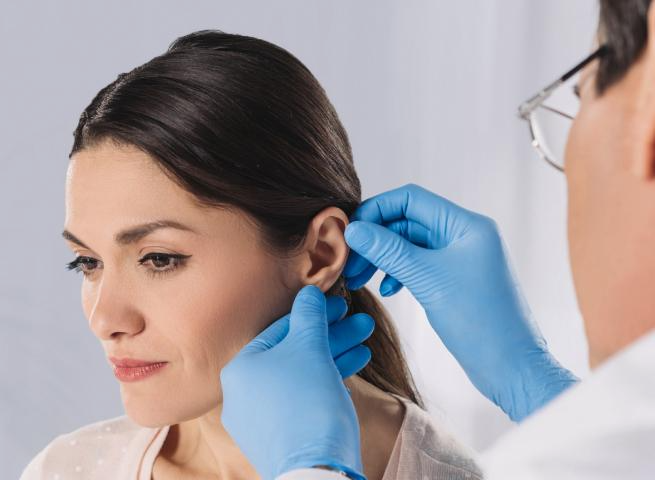
Otoplasty in Islamabad, commonly known as ear reshaping surgery or ear pinning surgery, is a cosmetic procedure designed to improve the size, shape, position, or symmetry of the ears. Individuals with protruding ears, asymmetrical ears, or congenital ear irregularities often choose otoplasty to achieve a more balanced facial appearance and improved confidence.
Despite its growing popularity, many patients are unsure about what actually happens during the procedure. Understanding each stage of otoplasty can help reduce anxiety and provide realistic expectations about treatment and recovery.
This comprehensive guide explains what happens during otoplasty surgery in Islamabad, from the initial consultation to the final healing stages.
Understanding Otoplasty Surgery
Otoplasty is a surgical procedure that modifies the ear cartilage to improve the appearance of the ears. The procedure can address concerns such as:
- Protruding ears
- Uneven ears
- Large ears
- Congenital ear deformities
- Ear injuries or trauma-related changes
The goal is not to create perfect ears but to achieve a natural-looking result that complements the patient's facial features.
Because the surgery permanently reshapes cartilage, the results are generally long-lasting.
Step 1: Initial Consultation
The otoplasty journey begins with a detailed consultation.
During this appointment, the surgeon evaluates:
- Ear size and shape
- Ear position
- Degree of protrusion
- Facial proportions
- Skin and cartilage quality
The patient discusses their concerns and aesthetic goals, while the surgeon explains what improvements can realistically be achieved.
Photographs are often taken to assist with surgical planning and future comparison.
Why the Consultation Matters
A thorough consultation helps:
- Determine candidacy
- Identify the best surgical approach
- Establish realistic expectations
- Create a customized treatment plan
Every patient's ears are different, so individualized planning is essential.
Step 2: Pre-Operative Preparation
Before surgery, patients receive instructions designed to support a safe procedure and smooth recovery.
These may include:
- Avoiding certain medications
- Stopping smoking if applicable
- Following fasting guidelines
- Arranging transportation home
Careful preparation reduces risks and helps ensure optimal healing.
Step 3: Arrival on Surgery Day
On the day of surgery, patients arrive at the clinic or surgical facility where final preparations take place.
The medical team may:
- Review medical history
- Confirm treatment goals
- Take additional photographs
- Mark the ears for surgical planning
The surgeon reviews the procedure once more and answers any remaining questions.
Step 4: Administration of Anesthesia
The next step is anesthesia.
The type of anesthesia depends on factors such as:
- Patient age
- Procedure complexity
- Personal preferences
- Surgeon recommendations
Local Anesthesia
The ears are numbed while the patient remains awake.
Local Anesthesia with Sedation
Patients remain relaxed and comfortable throughout the procedure.
General Anesthesia
This option is often used for younger patients or more extensive corrections.
The purpose of anesthesia is to ensure a comfortable and pain-free experience during surgery.
Step 5: Surgical Incision Placement
Once anesthesia takes effect, the surgeon begins the procedure by making carefully placed incisions.
Most commonly, incisions are positioned:
- Behind the ears
- Within natural ear folds
- In hidden locations
These placements help minimize visible scarring after healing.
Because the incision is usually concealed behind the ear, scars are generally difficult to detect once recovery is complete.
Step 6: Accessing the Ear Cartilage
After making the incision, the surgeon carefully accesses the underlying cartilage.
Ear cartilage is responsible for:
- Ear projection
- Ear shape
- Ear contour
- Structural support
The surgeon works directly with this cartilage to create the desired changes.
This is the stage where the actual reshaping process begins.
Step 7: Reshaping the Ear
The reshaping phase is the most important part of otoplasty surgery.
Depending on the patient's needs, the surgeon may:
- Fold cartilage
- Sculpt cartilage
- Reposition cartilage
- Remove small amounts of cartilage
- Create new ear folds
The goal is to achieve a natural-looking ear shape that appears balanced from multiple angles.
Correcting Protruding Ears
For prominent ears, the surgeon repositions the cartilage closer to the head.
This reduces excessive projection and creates a more proportional appearance.
Improving Symmetry
If one ear differs from the other, adjustments are made to improve balance and harmony.
Refining Ear Contours
The surgeon may reshape specific areas to create smoother and more aesthetically pleasing contours.
Step 8: Securing the New Position
After reshaping the cartilage, the surgeon secures the ear in its new position.
This is commonly accomplished using internal support sutures.
These sutures help:
- Maintain the new shape
- Support healing tissues
- Preserve symmetry
- Ensure long-term stability
The surgeon carefully evaluates both ears before proceeding.
Step 9: Closing the Incisions
Once the desired result has been achieved, the incisions are closed with fine sutures.
Modern closure techniques focus on:
- Precise healing
- Minimal scarring
- Tissue support
The incision area is then cleaned and prepared for dressing application.
Step 10: Applying Protective Dressings
After surgery, protective dressings are placed around the ears.
These dressings serve several important functions:
- Protect healing tissues
- Reduce swelling
- Maintain ear position
- Prevent accidental trauma
A supportive head bandage is commonly applied around the head.
This dressing remains in place for the period recommended by the surgeon.
Immediate Recovery After Surgery
Following the procedure, patients are monitored for a short period before being discharged.
It is normal to experience:
- Mild swelling
- Temporary bruising
- Tightness around the ears
- Minor discomfort
Most patients can return home on the same day.
What Happens During the First Week?
The first week focuses on protecting the ears while healing begins.
Patients are usually advised to:
- Wear their headband consistently
- Sleep on their back
- Avoid touching the ears
- Limit strenuous activity
Swelling and tenderness gradually improve during this period.
Recovery During the Following Weeks
As healing progresses:
- Swelling decreases
- Ear contours become more defined
- Incisions continue healing
- Results become increasingly visible
Many patients return to work or school within one to two weeks, depending on their recovery progress.
When Are Final Results Visible?
While improvements are noticeable shortly after surgery, final results develop gradually.
Most patients see significant improvement within several weeks.
The final appearance typically becomes evident after swelling has completely resolved, which may take several months.
At this stage, the ears appear:
- More symmetrical
- Better positioned
- Naturally contoured
- More proportionate to the face
Benefits of Otoplasty Surgery
Patients choose otoplasty in Islamabad for numerous reasons.
Improved Facial Harmony
Balanced ears contribute to overall facial aesthetics.
Enhanced Confidence
Many individuals feel more comfortable in social and professional settings.
Long-Lasting Results
Cartilage reshaping provides durable improvements.
Minimal Visible Scarring
Incisions are generally hidden behind the ears.
Customized Outcomes
Every procedure is tailored to the patient's unique anatomy.
Conclusion
Understanding what happens during otoplasty surgery in Islamabad can help patients feel more confident and prepared before treatment. From consultation and anesthesia to cartilage reshaping and recovery, every stage is carefully planned to achieve natural-looking and long-lasting results.
Whether correcting protruding ears, improving symmetry, or addressing congenital concerns, otoplasty remains one of the most effective cosmetic procedures for enhancing ear appearance and facial balance.
FAQs
How long does otoplasty surgery take?
Most otoplasty procedures take between one and three hours, depending on the complexity of the correction.
Is otoplasty painful?
The procedure itself is not painful because anesthesia is used. Mild discomfort may occur during recovery.
Where are the incisions made during otoplasty?
Most incisions are placed behind the ears or within natural folds to minimize visible scarring.
Can both ears be corrected at the same time?
Yes. Otoplasty commonly treats both ears during a single procedure.
How long does recovery take?
Initial recovery often takes one to two weeks, while complete healing may take several months.
Will I have visible scars after surgery?
Scars are usually hidden behind the ears and become less noticeable over time.
Are otoplasty results permanent?
Yes. The ear cartilage is permanently reshaped, making the results long-lasting.

 English
 French
 Spanish
 Portuguese
 Deutsch
 Turkish
 Dutch
Dutch
 Italiano
 Russian
 Romaian
 Portuguese (Brazil)
 Greek
Greek
