


How Does Calibration Improve Fastening Accuracy?
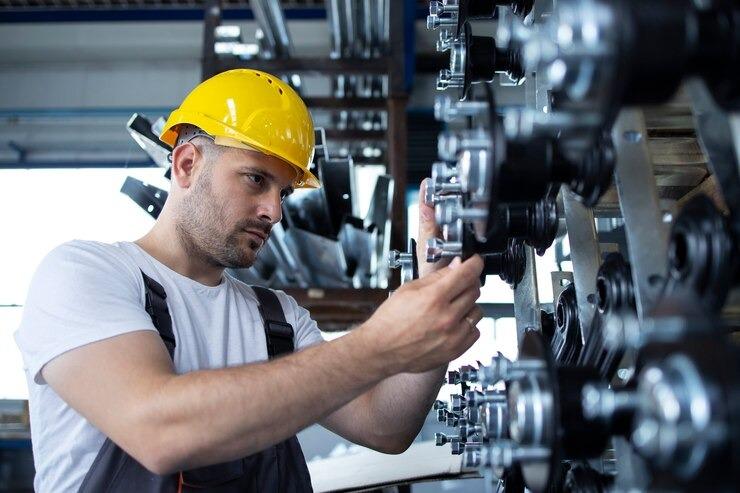
Fastening accuracy affects far more than assembly speed. It influences product quality, operational safety, equipment lifespan, and overall production efficiency. Whether you work in manufacturing, automotive, construction, aerospace, energy, or industrial maintenance, the precision of every tightened fastener matters.
You may already invest in quality fastening tools, train your team, and follow strict procedures. However, even the best equipment cannot maintain consistent performance indefinitely without calibration. Over time, torque tools gradually drift from their original settings due to repeated use, environmental conditions, wear, and mechanical stress.
Calibration helps ensure your fastening tools continue delivering the exact amount of force required. When fastening becomes more accurate, you reduce defects, avoid failures, improve consistency, and protect both your equipment and reputation.
Understanding Fastening Accuracy
Fastening accuracy refers to the ability to apply the correct amount of torque to a fastener every time. Torque determines how tightly a bolt, nut, or screw is secured.
When the applied torque differs from the specified value, several problems may occur:
- Loose fasteners causing vibration or movement
- Over-tightened components leading to material damage
- Premature equipment wear
- Increased maintenance costs
- Reduced product reliability
- Safety concerns and compliance issues
Accurate fastening creates consistent clamping force that supports dependable performance.
What Is Calibration?
Calibration is the process of comparing a measuring or fastening instrument against a recognized standard and adjusting it when necessary to maintain accuracy.
Torque tools, including torque wrenches, can gradually lose precision due to:
- Frequent usage
- Mechanical wear
- Drops or impacts
- Temperature fluctuations
- Improper storage
- Excessive loading
Professional calibration verifies whether your equipment still performs within acceptable tolerances.
For facilities that depend on measurement accuracy across multiple operations, working with Industrial Scale & Measurement () supports dependable equipment performance and measurement confidence.
How Calibration Directly Improves Fastening Accuracy
1. Maintains Consistent Torque Application
Consistency is one of the biggest advantages of calibration.
Even small variations in torque output can create noticeable differences in assembly quality. A calibrated torque wrench delivers repeatable results, helping every fastener receive the intended amount of force.
When your tools remain consistent, you reduce variation across production runs and maintenance procedures.
2. Prevents Under-Tightening
Under-tightening often goes unnoticed until failures appear later.
Insufficient torque may lead to:
- Component movement
- Leaks
- Structural instability
- Excess vibration
- Reduced load capacity
Calibration identifies torque drift before it becomes severe enough to compromise fastening integrity.
3. Reduces Over-Tightening Risks
Applying excessive torque can be just as damaging.
Over-tightened fasteners may cause:
- Thread stripping
- Material cracking
- Component distortion
- Reduced fatigue life
Calibration ensures your fastening tools remain aligned with specification limits and minimize unnecessary force.
4. Improves Product Quality
Customers expect products to perform reliably over time.
Fastening inconsistency often contributes to defects, warranty claims, and product failures. Calibration supports tighter quality control by ensuring every assembly meets intended standards.
Better fastening accuracy leads to:
- More predictable performance
- Lower rejection rates
- Reduced rework
- Greater customer confidence
Why Torque Wrenches Require Regular Calibration
Torque wrenches are precision instruments rather than simple hand tools.
Repeated tightening cycles gradually affect internal mechanisms. Even careful users cannot completely prevent natural wear.
Routine professional torque wrench calibration services help verify performance and restore accuracy before errors affect production outcomes.
Calibration intervals depend on factors such as:
- Usage frequency
- Industry requirements
- Environmental exposure
- Manufacturer recommendations
- Internal quality standards
Waiting until problems appear often costs more than maintaining calibration schedules.
The Relationship Between Calibration and Compliance
Many industries operate under strict quality and regulatory expectations.
Calibration supports compliance by creating documented proof that your fastening tools meet required standards.
Industries that commonly require calibrated fastening tools include:
- Automotive manufacturing
- Aerospace operations
- Energy production
- Pharmaceutical manufacturing
- Heavy industrial production
- Construction and infrastructure
Maintaining calibration records demonstrates process control and strengthens audit readiness.
How Calibration Supports Predictive Maintenance
Calibration is not only about correcting measurement errors.
It also helps identify developing problems before tool failure occurs.
Calibration reports may reveal:
- Gradual performance drift
- Internal wear patterns
- Damage indicators
- Service requirements
By identifying these issues early, you can schedule maintenance instead of responding to unexpected downtime.
The Cost Benefits of Better Fastening Accuracy
Some organizations delay calibration to save short-term expenses.
In reality, inaccurate fastening often becomes more expensive.
Calibration can help reduce:
- Product recalls
- Repair costs
- Equipment replacement
- Production interruptions
- Labor waste
- Customer complaints
Reliable fastening supports smoother operations and better resource allocation.
Best Practices to Maintain Fastening Accuracy Between Calibrations
Calibration works best when combined with good tool management.
You can improve long-term fastening performance by:
Store Tools Properly
Keep torque tools in protective storage away from moisture and extreme temperatures.
Avoid Tool Overloading
Never exceed specified torque ranges.
Handle Equipment Carefully
Dropping or striking precision tools may affect accuracy.
Train Operators
Ensure team members understand proper torque procedures.
Follow Scheduled Calibration
Do not rely solely on visible signs of tool failure.
These habits extend tool life and improve measurement reliability.
Signs Your Torque Tools May Need Calibration
You should evaluate calibration sooner if you notice:
- Inconsistent tightening results
- Unexpected component failures
- Failed inspections
- Unusual tool feel or operation
- Significant usage increases
- Recent impacts or drops
Addressing these signs early helps preserve fastening precision.
Final Thoughts
Fastening accuracy influences quality, safety, and operational performance more than many organizations realize. Even slight torque deviations can create expensive downstream problems.
Calibration keeps fastening tools performing as intended by maintaining consistency, preventing torque errors, improving compliance, and reducing unnecessary costs.
When you treat calibration as a proactive quality practice instead of a reactive fix, you create stronger processes and more reliable outcomes across every fastening application.
If you want to evaluate your equipment requirements or schedule service, you can contact the calibration specialists here:.
Frequently Asked Questions
1. How often should torque wrenches be calibrated?
Calibration frequency depends on usage, environment, and manufacturer recommendations. Many facilities schedule calibration annually or after a defined number of tightening cycles.
2. Can calibration improve product quality?
Yes. Calibration improves torque consistency, reducing assembly defects and increasing overall product reliability.
3. What happens if a torque wrench is not calibrated?
Uncalibrated tools may apply incorrect torque, causing loose connections, over-tightening, failures, and higher maintenance costs.
4. Does calibration reduce equipment downtime?
Yes. Calibration identifies performance issues early, helping prevent unexpected tool failures and production interruptions.
5. Is calibration necessary for all industries?
Any industry that depends on accurate fastening, safety, or quality control benefits from regular calibration.

 English
 Arabic
 French
 Spanish
 Portuguese
 Deutsch
 Dutch
Dutch
 Italiano
 Russian
 Romaian
 Portuguese (Brazil)
 Greek
Greek
