


Textured Paint vs Venetian Plaster: A Complete Guide to Choosing the Perfect Wall Finish for Your Home
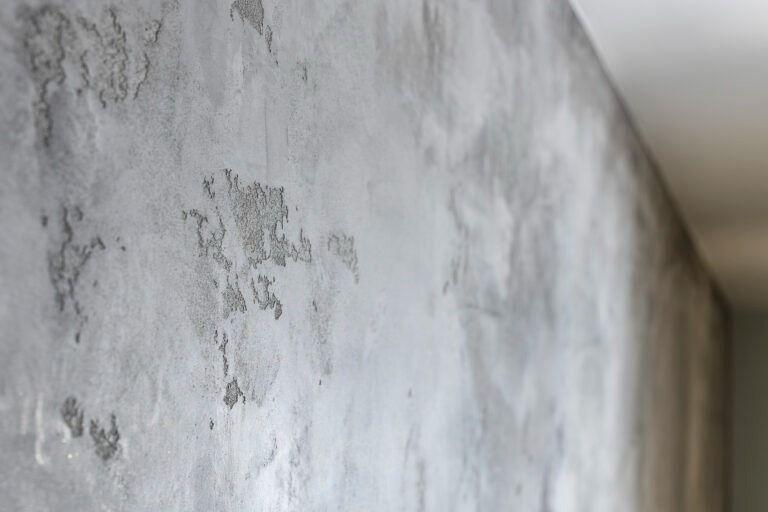
Choosing the right wall finish is one of the most important decisions in interior design because it directly affects the aesthetics, durability, and overall ambiance of your space. Among the most popular premium wall finishes today are textured paint and Venetian plaster. Both options offer unique visual appeal and performance benefits, but they differ significantly in cost, application, maintenance, and final look. In this guide, we will explore “Textured Paint vs Venetian Plaster” in depth, helping you understand which finish is best suited for your home, lifestyle, and budget.
1. Understanding Textured Paint and Venetian Plaster
Textured paint is a decorative wall coating designed to create patterns, depth, and dimension on flat surfaces. It often contains additives like sand, silica, or other materials that give it a rough or patterned finish. This type of paint is widely used for accent walls and modern interior designs because it is versatile and relatively easy to apply. On the other hand, Venetian plaster is a premium wall finish made from slaked lime and marble dust, polished to create a smooth, luxurious, and stone-like surface. It has been used since ancient Roman times and is known for its timeless elegance and depth.
2. Aesthetic Appeal: Modern Texture vs Luxurious Elegance
When comparing textured paint vs Venetian plaster, aesthetics play a major role. Textured paint is often chosen for contemporary or casual interior styles, offering a wide range of patterns such as sand swirl, knockdown, or abstract textures. It creates visual interest but may appear less refined in luxury settings. Venetian plaster, however, is synonymous with elegance and sophistication. Its polished, marble-like appearance creates a sense of depth and richness that changes with lighting. Homeowners looking for a high-end, European-inspired interior often prefer Venetian plaster due to its smooth, reflective, and artistic finish.
3. Application Process and Installation Difficulty
The application process for textured paint is relatively straightforward and can often be completed by professional painters or even skilled DIY homeowners. It typically requires a base coat followed by a textured roller, brush, or spray technique. Venetian plaster, however, is highly skilled work that requires trained artisans. It involves multiple thin layers applied with a trowel, followed by burnishing and polishing to achieve the signature glossy finish. Because of its complexity, Venetian plaster installation takes longer and demands precision, making it a more specialized and labor-intensive wall finishing technique compared to textured paint.
4. Durability and Longevity Comparison
Durability is a key factor when choosing between textured paint and Venetian plaster. Textured paint is fairly durable and can hide minor wall imperfections, but it may be prone to chipping, dust accumulation, or fading over time, especially in high-traffic areas. Venetian plaster, on the other hand, is extremely durable due to its lime-based composition. It becomes harder over time as it cures and can last for decades if maintained properly. It is also resistant to mold and mildew, making it an excellent choice for humid environments like bathrooms, kitchens, and coastal homes.
5. Cost Comparison: Budget-Friendly vs Luxury Investment
Cost is one of the biggest deciding factors in the textured paint vs Venetian plaster debate. Textured paint is generally more affordable and accessible, making it a popular choice for homeowners on a budget or for large-scale renovations. It requires less labor and fewer materials, reducing overall expenses. Venetian plaster, however, is a premium wall finish and significantly more expensive due to the cost of materials and the specialized skill required for application. It is often considered a luxury investment that increases property value and creates a high-end interior look that cannot be easily replicated.
6. Maintenance and Cleaning Requirements
Maintenance is another important aspect to consider. Textured paint surfaces can be slightly difficult to clean because dust and dirt can settle into the grooves and patterns. Cleaning often requires gentle brushing or vacuuming, and in some cases, repainting may be needed over time. Venetian plaster is relatively low maintenance due to its smooth, polished surface. It does not trap dust easily and can be wiped clean with a damp cloth. Additionally, Venetian plaster can be re-polished or waxed to restore its original shine, making it a long-lasting and easy-to-maintain wall finish option.
7. Best Areas of Use in a Home
Textured paint is commonly used in living rooms, hallways, and accent walls where homeowners want to add depth without overwhelming the space. It is also suitable for rental properties and commercial spaces due to its affordability and versatility. Venetian plaster is best suited for luxury spaces such as formal living rooms, master bedrooms, hotel-style bathrooms, and high-end dining areas. Its reflective surface enhances lighting and creates a dramatic effect, making it ideal for feature walls or statement interiors where elegance and sophistication are priorities
8. Environmental Impact and Health Factors
In today’s eco-conscious world, environmental impact is an important consideration. Textured paint may contain synthetic additives and chemicals depending on the brand, although low-VOC options are available. Venetian plaster is naturally eco-friendly because it is made from lime and natural minerals. It is breathable, which helps regulate indoor humidity and reduce mold growth. This makes Venetian plaster a healthier option for indoor air quality. Homeowners who prioritize sustainable living and natural building materials often prefer Venetian plaster for its environmental benefits and chemical-free composition.
9. Repair, Restoration, and Flexibility
Repairing textured paint is relatively easy, as damaged sections can often be patched or repainted without major effort. However, matching the exact texture can sometimes be challenging. Venetian plaster requires more skill when it comes to repairs, but small cracks or damages can often be restored seamlessly by re-polishing or applying additional layers. One advantage of Venetian plaster is its flexibility in design updates—it can be tinted, polished, or finished differently over time to refresh the look without complete removal. This makes it a long-term adaptable solution for evolving interior styles.
10. Final Verdict: Which Finish Should You Choose?
When deciding between textured paint vs Venetian plaster, the right choice depends on your budget, design preferences, and long-term expectations. If you want a cost-effective, versatile, and easy-to-apply wall finish, textured paint is a practical solution that works well in most homes. However, if you are aiming for a luxurious, timeless, and highly durable finish that adds value and elegance to your space, Venetian plaster is the superior choice. Ultimately, both finishes have their place in modern interior design, and the best option is the one that aligns with your lifestyle, aesthetic vision, and maintenance preferences.
9 FAQs About Textured Paint vs Venetian Plaster
1. What is the main difference between textured paint and Venetian plaster?
The main difference lies in composition and finish. Textured paint is a decorative coating that creates patterns and rough surfaces using additives like sand or special rollers. Venetian plaster, however, is made from lime and marble dust and is applied in thin layers to create a smooth, polished, stone-like finish. While textured paint focuses on pattern and depth, Venetian plaster focuses on luxury, elegance, and a high-end glossy appearance.
2. Which is more expensive: textured paint or Venetian plaster?
Venetian plaster is significantly more expensive than textured paint. The higher cost is due to premium materials and the skilled labor required for application. Textured paint is budget-friendly and widely available, making it suitable for large areas or cost-conscious renovations. Venetian plaster, on the other hand, is considered a luxury finish that adds long-term value to a property, especially in high-end interior designs.
3. Is Venetian plaster more durable than textured paint?
Yes, Venetian plaster is generally more durable than textured paint. It hardens over time and can last for decades if properly maintained. It is resistant to moisture, mold, and minor cracks. Textured paint is durable as well but may fade, chip, or collect dust in grooves over time, especially in high-traffic or humid areas. For long-term performance, Venetian plaster has the advantage.
4. Can textured paint or Venetian plaster be used in bathrooms?
Both can be used in bathrooms, but Venetian plaster performs better in humid environments. Its breathable and moisture-resistant properties make it ideal for bathrooms and spa-like interiors. Textured paint can also be used, but it may require special moisture-resistant coatings to prevent damage or mold growth. Proper sealing is essential for both finishes in wet areas.
5. Which finish is easier to maintain and clean?
Venetian plaster is easier to maintain because of its smooth surface, which does not trap dust or dirt easily. It can be wiped clean with a damp cloth. Textured paint, however, has grooves and patterns where dust can accumulate, making it slightly more difficult to clean. Regular dusting or gentle vacuuming may be needed for textured surfaces.
6. Can I apply Venetian plaster myself?
It is not recommended for beginners to apply Venetian plaster themselves. The application process requires skill, precision, and experience with troweling, layering, and polishing techniques. Mistakes can affect the final finish significantly. Textured paint, however, is more DIY-friendly and can be applied with rollers, brushes, or spray tools with relatively less training.
7. Which option increases home value more?
Venetian plaster generally increases home value more than textured paint because it is considered a premium, luxury finish. It gives interiors a high-end, designer look that appeals to upscale buyers. Textured paint can improve aesthetics but does not typically add the same level of perceived property value as Venetian plaster.
8. Are there eco-friendly differences between the two?
Yes, Venetian plaster is more eco-friendly because it is made from natural lime and marble dust and contains no synthetic chemicals. It also improves indoor air quality by allowing walls to breathe. Textured paint may contain synthetic additives and VOCs, although low-VOC and eco-friendly versions are available in the market today.
9. Which finish should I choose for a modern home design?
For modern home design, it depends on the style you want. If you prefer a minimalist, luxurious, and elegant look, Venetian plaster is ideal. If you want creative patterns, accent walls, and a more budget-friendly decorative option, textured paint works better. Many modern homes even combine both finishes to achieve balance between style and cost.

 English
 Arabic
 French
 Portuguese
 Deutsch
 Turkish
 Dutch
Dutch
 Italiano
 Russian
 Romaian
 Portuguese (Brazil)
 Greek
Greek
