


ADHD Medication and Mental Wellness for a Balanced Life
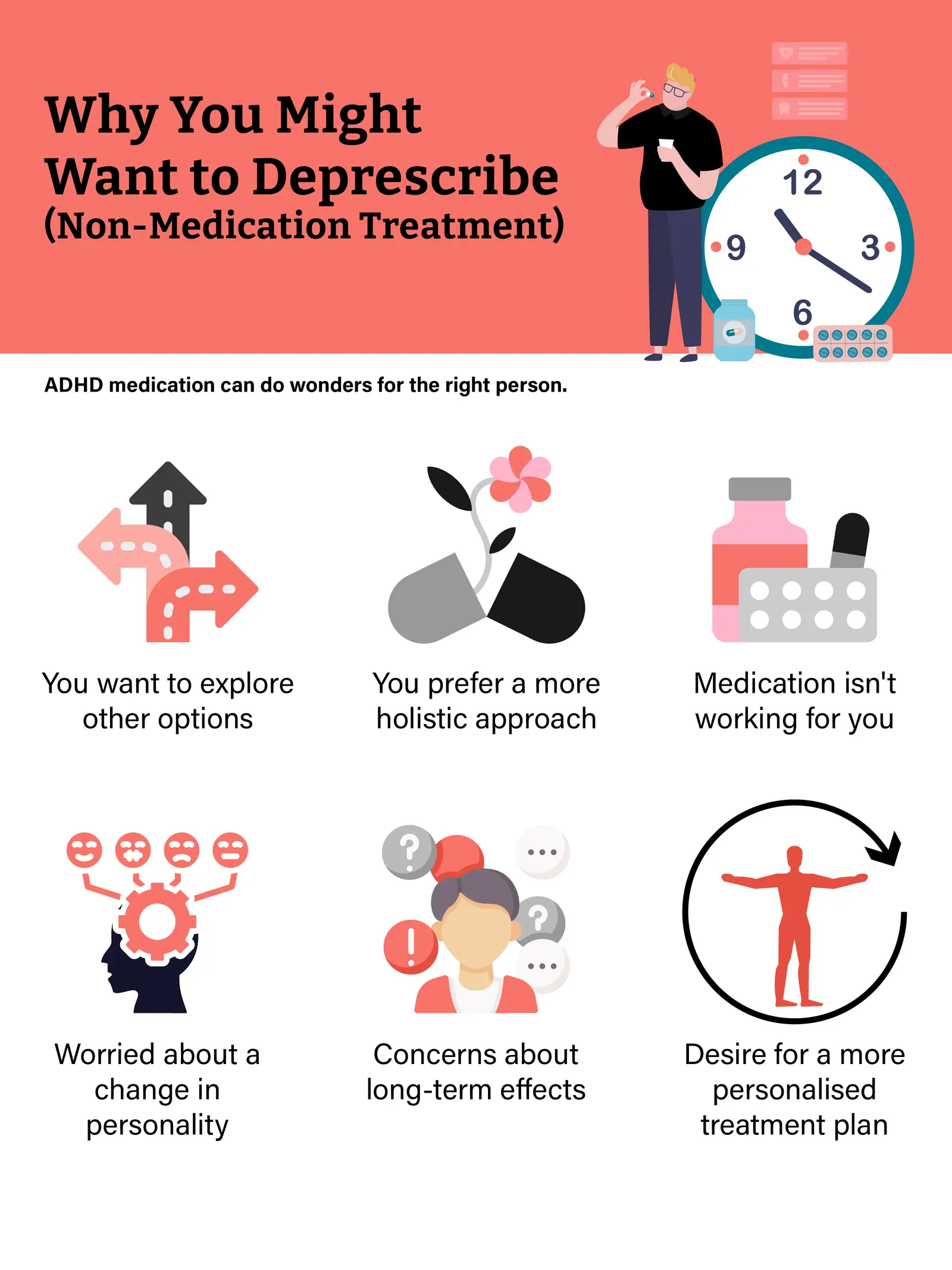
Mental wellness plays a major role in creating a happy and productive life. People who struggle with attention difficulties often face emotional, social, and professional challenges that can affect their confidence and relationships. With proper support, healthy habits, and medical guidance, individuals can improve focus, emotional stability, and overall quality of life. Understanding how brain health connects with daily routines is important for maintaining balance and long-term well-being.
Understanding the Connection Between Focus and Mental Health
Mental wellness is more than simply avoiding stress or anxiety. It includes emotional control, concentration, healthy relationships, and the ability to manage responsibilities effectively. Individuals with attention-related difficulties may struggle to stay organized, complete tasks on time, or manage emotions during stressful situations.
Poor concentration can create frustration in school, work, or personal life. Over time, this frustration may lower self-esteem and increase emotional exhaustion. However, learning proper coping strategies and building supportive routines can improve confidence and daily performance.
A balanced life requires attention to both physical and emotional health. Sleep quality, nutrition, exercise, and social support all contribute to improved mental clarity and emotional resilience.
The Importance of Early Recognition
Recognizing behavioral and emotional patterns early can help individuals receive support before problems become overwhelming. Many people ignore attention-related difficulties because they assume the behavior is simply personality-related or temporary.
In reality, recognizing challenges early allows families, teachers, and healthcare professionals to develop effective management plans. These plans often focus on emotional regulation, routine building, and improved communication skills.
Emotional Challenges Often Linked With Attention Disorders
People experiencing attention difficulties may also struggle with emotional regulation. Mood swings, frustration, impulsive reactions, and low patience levels can impact relationships and social confidence.
These emotional challenges may become more noticeable during stressful periods, especially when work or academic responsibilities increase. Supportive environments and understanding communication can reduce emotional pressure and improve mental balance.
Lifestyle Habits That Support Mental Wellness
Daily routines have a powerful influence on mental health. Consistent habits help individuals maintain focus and reduce unnecessary stress. Small lifestyle improvements often create long-term positive results.
Healthy Sleep Patterns
Sleep is essential for emotional and cognitive health. Lack of sleep may increase irritability, forgetfulness, and difficulty concentrating. Establishing a regular bedtime routine can improve mental clarity and emotional stability.
Reducing screen time before bed and maintaining a quiet sleeping environment may also improve sleep quality.
Physical Activity and Brain Health
Exercise supports both mental and physical wellness. Regular physical activity increases blood circulation to the brain and helps release chemicals associated with positive mood and stress reduction.
Activities such as walking, cycling, yoga, or swimming may improve concentration and emotional control. Exercise also helps reduce feelings of restlessness and tension.
Balanced Nutrition for Cognitive Support
Nutrition directly affects energy levels and brain performance. Foods rich in protein, healthy fats, vitamins, and minerals support focus and emotional regulation.
Reducing processed sugar and increasing water intake may also improve concentration throughout the day. Healthy eating habits contribute to long-term emotional stability and improved productivity.
Building Confidence Through Structured Routines
Organization and consistency help individuals feel more in control of their responsibilities. Structured routines reduce confusion and improve time management.
Simple strategies such as using planners, creating task lists, and setting reminders can make daily responsibilities easier to manage. Breaking large tasks into smaller steps also reduces mental pressure.
Supportive family members, teachers, or coworkers can encourage progress by offering positive reinforcement rather than criticism.
The Role of Positive Relationships
Healthy relationships contribute greatly to emotional wellness. Supportive friends and family members provide encouragement during difficult periods and help reduce feelings of isolation.
Open communication allows individuals to express challenges without fear of judgment. Emotional support improves resilience and helps maintain a balanced lifestyle.
Professional Support and Long-Term Care
Professional guidance is often helpful when attention difficulties begin affecting emotional health, relationships, or work performance. Healthcare providers can assess individual needs and recommend personalized management plans.
These plans may include counseling, behavioral strategies, educational support, or lifestyle adjustments. Professional support encourages healthy coping mechanisms and long-term emotional growth.
In some situations, healthcare professionals may recommend ADHD Medication to help improve concentration and impulse control. Medical treatment decisions should always be made carefully with professional supervision and regular follow-up care.
Therapy and Emotional Development
Therapy helps individuals develop practical coping techniques for stress, communication, and emotional management. Counseling sessions may also improve self-awareness and confidence.
Behavioral therapy often focuses on developing organization skills, reducing impulsive behaviors, and improving emotional responses during stressful situations.
People who receive emotional support and guidance often feel more capable of managing daily responsibilities successfully.
Social and Academic Challenges
Attention difficulties can impact both academic and professional performance. Individuals may struggle with deadlines, organization, or maintaining consistent focus during meetings or classes.
These challenges sometimes lead to misunderstanding from others who may not recognize the underlying difficulties involved.
Teachers and employers who provide supportive environments often help individuals perform more effectively. Flexible learning methods, clear instructions, and structured expectations can significantly improve productivity.
Recognizing Behavioral Patterns
Parents, teachers, and caregivers should remain aware of behavioral changes that may affect emotional well-being. Difficulty concentrating, forgetfulness, impulsive actions, and restlessness are common Symptoms of ADHD that may influence both academic and social experiences.
Recognizing these patterns early allows individuals to receive appropriate support and guidance before emotional stress increases.
Developing Healthy Coping Mechanisms
Mental wellness improves when individuals learn healthy ways to respond to stress and frustration. Deep breathing exercises, mindfulness practices, journaling, and time management strategies can all support emotional balance.
Learning how to manage stress effectively reduces emotional exhaustion and improves overall quality of life. Individuals who practice self-care regularly often experience greater confidence and emotional resilience.
Creating Realistic Goals
Setting realistic goals encourages motivation without creating unnecessary pressure. Achievable goals help individuals measure progress gradually while building confidence over time.
Celebrating small accomplishments also improves motivation and emotional well-being.
Family Involvement and Support Systems
Family involvement plays an important role in long-term emotional wellness. Encouragement, patience, and understanding create a supportive environment that promotes healthy growth.
Families who educate themselves about attention-related challenges often communicate more effectively and provide stronger emotional support.
Professional counseling sessions may also help families develop healthier communication habits and better conflict management strategies.
Long-Term Wellness and Personal Growth
Maintaining mental wellness is a continuous journey rather than a quick solution. Consistent routines, healthy habits, emotional support, and professional guidance all contribute to long-term success.
Every individual experiences challenges differently, so personalized care and patience are essential. Building self-confidence, improving emotional awareness, and maintaining healthy relationships help create a more balanced and fulfilling life.
Some individuals may also benefit from professional programs focused on Treatment of ADHD, which often combine therapy, education strategies, and lifestyle management techniques to improve daily functioning and emotional stability.
Conclusion
Creating a balanced life requires attention to emotional, physical, and mental well-being. Individuals facing concentration and emotional regulation difficulties can achieve meaningful progress through healthy routines, supportive relationships, and professional guidance. By focusing on self-care, organization, and emotional growth, people can build stronger confidence and enjoy a healthier, more fulfilling future.

 English
 Arabic
 French
 Spanish
 Portuguese
 Deutsch
 Dutch
Dutch
 Italiano
 Russian
 Romaian
 Portuguese (Brazil)
 Greek
Greek
