


How to Choose the Best ABA Therapy Miami Provider
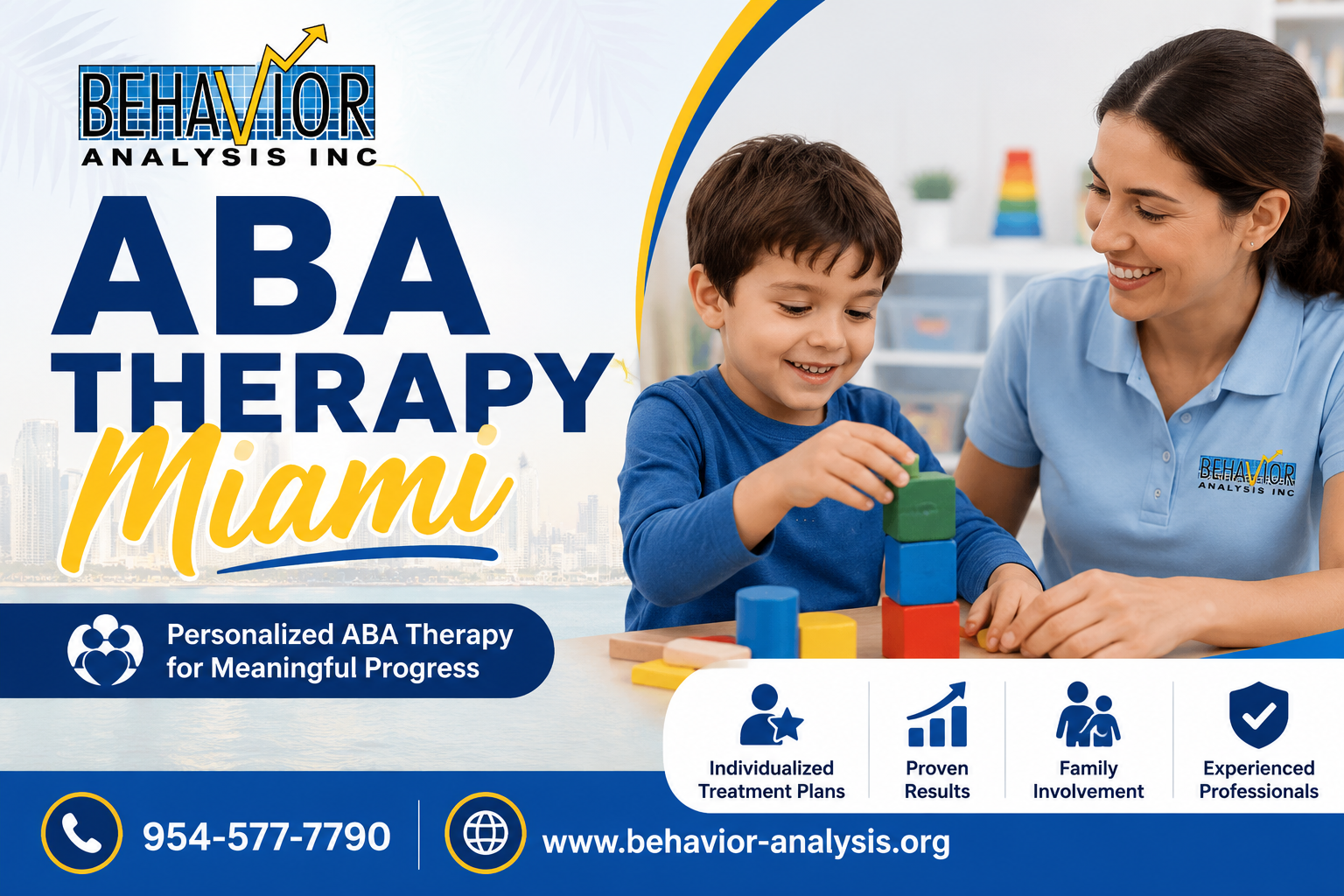
Finding the right support for a child with autism can be one of the most important decisions a family makes. Among the many intervention options available, Applied Behavior Analysis (ABA) remains one of the most widely used and researched approaches. However, selecting the right ABA Therapy Miami provider requires careful consideration of your child’s unique needs, treatment goals, and family preferences.
This guide explores key factors parents should evaluate when choosing an ABA provider and how to identify services that support meaningful developmental progress.
Understanding ABA Therapy
Applied Behavior Analysis is a structured, evidence-based approach that focuses on improving socially significant behaviors. ABA programs are designed to help children develop communication, social, academic, and daily living skills while reducing behaviors that may interfere with learning and participation.
Because every child is different, ABA programs should be individualized. A quality provider conducts thorough assessments and develops treatment plans tailored to the child’s strengths, challenges, and goals.
Why Choosing the Right Provider Matters
Not all ABA providers offer the same level of service, expertise, or treatment approach. The provider you choose can significantly influence your child’s experience and outcomes.
A well-qualified team can create a supportive environment that encourages learning, builds confidence, and helps children develop skills they can use in everyday life. Selecting the right ABA Therapy Miami provider ensures that treatment remains focused on your child’s long-term growth and independence.
Look for Qualified and Experienced Professionals
One of the first things parents should evaluate is the qualifications of the clinical team.
Many ABA programs are supervised by Board Certified Behavior Analysts (BCBAs), who are trained to assess behavior, design treatment plans, and oversee therapy implementation. Registered Behavior Technicians (RBTs) often provide direct therapy under BCBA supervision.
When researching providers, consider asking:
- How much experience does the team have working with children on the autism spectrum?
- Are treatment plans supervised by a BCBA?
- How often are programs reviewed and updated?
- What ongoing training do staff members receive?
Experienced professionals can better adapt strategies to meet a child’s changing needs over time.
Evaluate the Individualized Treatment Approach
No two children with autism have identical strengths or challenges. Effective ABA programs should avoid a one-size-fits-all approach.
A provider should begin with a comprehensive assessment and collaborate with parents to establish realistic goals. These goals may focus on:
- Communication skills
- Social interaction
- Daily living skills
- School readiness
- Emotional regulation
- Adaptive behavior
The best ABA Therapy Miami providers regularly collect and analyze data to measure progress and adjust treatment plans when necessary.
Consider Parent and Family Involvement
Family participation often plays a critical role in a child’s success. Skills learned during therapy are most effective when reinforced in everyday environments.
Many providers offer parent training and coaching to help families:
- Understand therapy goals
- Reinforce positive behaviors at home
- Support communication development
- Address challenging behaviors consistently
A provider that values family collaboration can help create continuity between therapy sessions and daily life.
Assess Communication and Transparency
Open communication between providers and families helps build trust and ensures everyone is working toward the same objectives.
Look for providers that:
- Share regular progress updates
- Explain treatment goals clearly
- Encourage parent questions
- Discuss data and outcomes openly
- Involve families in decision-making
Transparency allows parents to remain informed about their child’s development and therapy progress.
Explore Service Settings and Flexibility
ABA services may be delivered in various environments, including:
Clinic-Based Therapy
Structured clinic settings often provide access to specialized resources and opportunities for social interaction with peers.
Home-Based Therapy
Home sessions allow therapists to address behaviors and skill development within a child’s natural environment.
School-Based Support
Some providers collaborate with schools to support learning and behavior goals during the academic day.
Community-Based Programs
Community settings help children practice social and adaptive skills in real-world situations.
When selecting a provider, consider which setting best aligns with your child’s needs and your family’s schedule.
Review Progress Monitoring Methods
Data collection is a core component of ABA therapy. Reliable providers continuously monitor progress and use objective information to guide treatment decisions.
Ask how the provider:
- Tracks goals and milestones
- Measures behavioral improvements
- Adjusts interventions when progress slows
- Shares results with families
Regular progress reviews help ensure therapy remains effective and goal-oriented.
Consider Practical Factors
While clinical quality should be the top priority, practical considerations are also important.
Parents may want to evaluate:
- Appointment availability
- Location convenience
- Insurance acceptance
- Scheduling flexibility
- Waiting list timelines
Balancing quality care with logistical needs can make therapy more sustainable for the entire family.
Building a Strong Foundation for Growth
Choosing the right ABA Therapy Miami provider involves more than comparing services. It requires finding a team that understands your child’s unique strengths, communicates openly, and develops individualized plans focused on meaningful outcomes.
By evaluating qualifications, treatment approaches, family involvement, and progress monitoring practices, parents can make informed decisions that support their child’s development and future independence.
A thoughtful provider selection process helps create a strong foundation for learning, skill-building, and long-term success.
Frequently Asked Questions
What is ABA therapy used for?
ABA therapy helps individuals develop communication, social, behavioral, and daily living skills through structured, evidence-based interventions.
How do I choose an ABA Therapy Miami provider?
Look for qualified professionals, individualized treatment plans, family involvement, transparent communication, and consistent progress monitoring.
At what age can a child start ABA therapy?
ABA therapy can begin at various ages, including early childhood. Early intervention is often recommended, but services can benefit individuals across different age groups.
How often does ABA therapy take place?
The frequency varies depending on a child’s needs and treatment goals. Some children may receive a few hours per week, while others participate in more intensive programs.
Does ABA therapy involve parents?
Yes. Many providers include parent training and collaboration to help reinforce skills and behaviors outside therapy sessions.

 English
 Arabic
 French
 Spanish
 Portuguese
 Deutsch
 Turkish
 Italiano
 Russian
 Romaian
 Portuguese (Brazil)
 Greek
Greek
