


4 Simple Moves for Instant Stress Relief Through Yoga
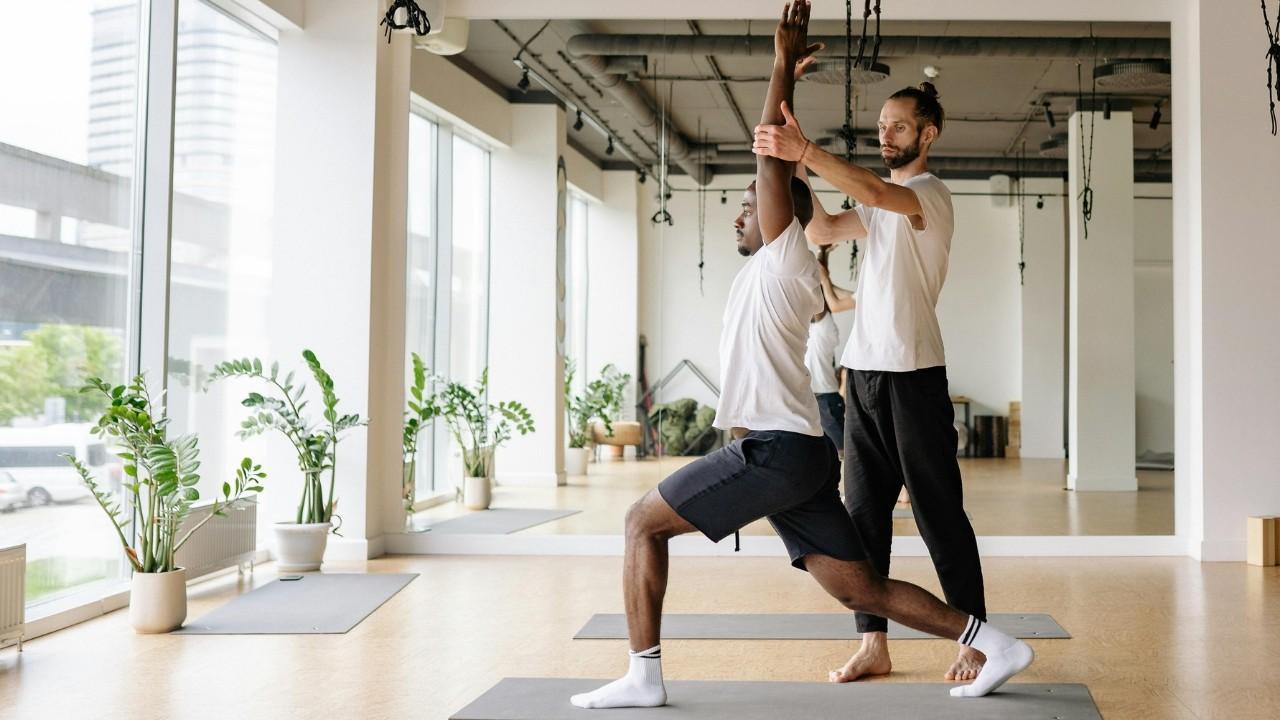
Stress builds up in the body through tight muscles, fast thoughts, and shallow breathing. Practicing yoga for stress relief uses simple movement and breath control to calm the nervous system quickly. Even a short practice can reduce mental pressure and improve focus, making quick yoga for stress an effective tool for daily stress management.
Introduction: Why This Matters More Than Ever
If you often feel mentally overloaded, distracted, or physically tight by the end of the day, you are not alone. Modern stress is not just emotional; it is deeply physical. It shows up as shallow breathing, tense muscles, and a racing mind that refuses to slow down.
The good news is that you do not need long sessions or advanced training to feel better. Even a few minutes of intentional movement can shift your internal state. In this guide, I will walk you through 4 simple moves for instant stress relief through yoga, designed for real-life moments when your mind feels full and your body feels stuck.
Think of this as a practical reset system you can use anywhere, anytime.
How Yoga Helps Reduce Stress Quickly
From a body-mind perspective, stress activates the nervous system’s “fight or flight” response. This keeps your body alert, even when there is no real danger. Over time, this leads to fatigue, irritability, and mental exhaustion.
Using yoga for stress relief works by combining controlled breathing, gentle movement, and awareness. These elements signal the nervous system to shift into a calmer state known as “rest and digest.” This is why even short practices can create noticeable relief.
In simple terms:
-
Movement releases stored tension.
-
Breath slows down mental overload.
-
Awareness helps break overthinking patterns.
This is also why quick yoga for stress techniques are widely used by people with busy schedules, especially when time is limited, but stress is high.
Move 1: Neck & Shoulder Release Roll
This is one of the fastest ways to reduce stress stored in the upper body.
How to do it:
Sit or stand comfortably. Slowly roll your shoulders backward in circular motions. Then gently tilt your head side to side, allowing your neck to release tension naturally.
Why it works:
Stress often collects in the neck and shoulders due to long sitting hours and mental pressure. This movement improves blood flow and signals immediate relaxation.
Even 60 seconds of this can support yoga for stress relief by reducing physical tightness.
Move 2: Seated Forward Fold Breathing
This is a calming posture that works directly on the nervous system.
How to do it:
Sit with legs extended. Slowly bend forward without forcing your body. Let your hands rest naturally on your legs or floor. Focus on slow breathing.
Why it works:
Forward folding naturally calms the brain and reduces stimulation. It helps slow down racing thoughts and supports emotional balance.
This is a powerful part of quick yoga for stress routines because it brings instant grounding.
Move 3: Standing Side Stretch Reset
This move opens up the body and releases tension trapped in the sides.
How to do it:
Stand tall. Raise your arms overhead and gently lean to one side. Hold for a few breaths, then switch sides slowly.
Why it works:
Side stretching improves oxygen flow and relaxes tight muscles caused by stress posture. It also improves mental clarity by expanding breath capacity.
This simple flow is commonly included in yoga for stress-relief sequences because it creates both physical and mental space.
Move 4: Slow Breath Awareness (2-Minute Reset)
This is the most important technique for instant calm.
How to do it:
Sit comfortably. Close your eyes. Inhale slowly through your nose for 4 seconds, hold for 2 seconds, and exhale for 6 seconds. Repeat this cycle for 2 minutes.
Why it works:
Breathing directly controls the nervous system. Slow exhalation signals the brain to relax, reducing stress hormones almost immediately.
This is one of the most effective tools in yoga for stress relief because it requires no movement, only awareness.
Why This Mini Routine of Yoga for Stress Relief Works
Each of these movements targets a different layer of stress:
-
Physical tension (shoulders, neck, spine)
-
Mental overload (thought cycles)
-
Nervous system imbalance (breathing rhythm)
-
Emotional pressure (body awareness)
When combined, they create a complete reset experience. That is why even a short, quick yoga for stress routine can feel more effective than long inactive rest.
Final Thoughts: Make It a Daily Habit
You do not need perfect timing or a special place to practice these moves. What matters most is consistency in small moments. Stress will always exist, but your response to it can change.
By practicing yoga for stress relief regularly, you start building a natural ability to calm your mind faster. Over time, even a few breaths or simple movements will be enough to bring you back into balance. Start small, stay consistent, and let your body do the rest.
Author Bio
The author is a wellness practitioner with practical experience in stress management techniques based on yoga and breathwork principles. Their work focuses on understanding how movement, posture, and breathing patterns influence the nervous system.
FAQs
1. How does yoga help with stress relief?
Yoga supports stress relief by activating the parasympathetic nervous system. Through controlled breathing and gentle movement, it reduces cortisol levels, relaxes muscles, and slows down racing thoughts.
2. Can beginners practice yoga for stress relief at home?
Yes. Beginners can easily practice simple poses and breathing techniques at home. Even short sessions of 2–5 minutes can help reduce mental pressure and improve focus.
3. How quickly does yoga reduce stress?
Many people feel a difference within minutes. Techniques like deep breathing and gentle stretching can calm the nervous system almost immediately.
4. Do I need flexibility for yoga for stress relief?
No. Flexibility is not required. These practices are designed for relaxation, not performance, making them suitable for all body types and fitness levels.
5. What is the best time to do yoga for stress relief?
Morning helps set a calm tone for the day, while evening practice helps release accumulated stress and improves sleep quality.

 English
 Arabic
 French
 Spanish
 Portuguese
 Deutsch
 Turkish
 Dutch
Dutch
 Italiano
 Romaian
 Portuguese (Brazil)
 Greek
Greek
