


Digital Marketing for SEO: How Every Channel Amplifies Your Search Rankings in 2026
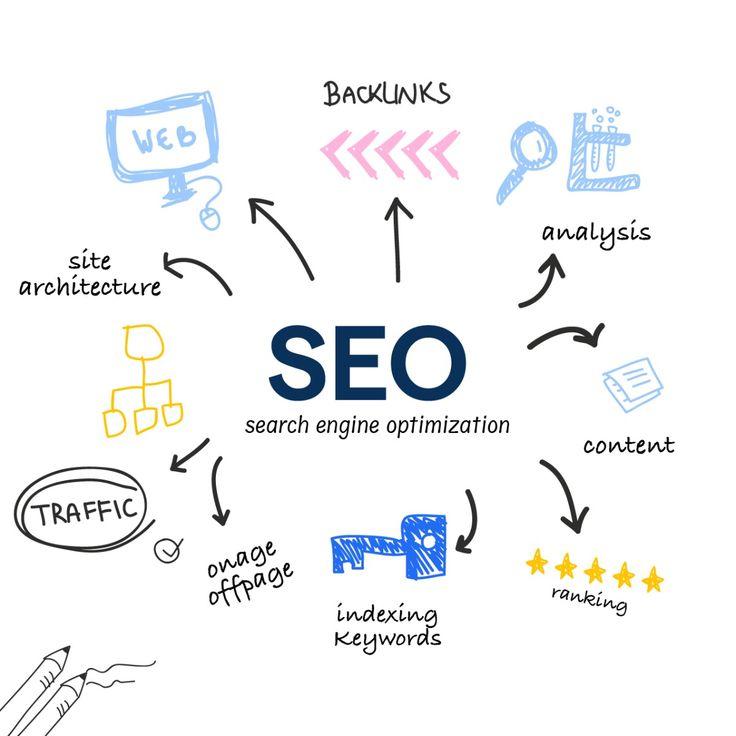
Why Digital Marketing and SEO Must Work Together
SEO does not operate in isolation. Google's ranking algorithms evaluate more than 200 signals, many of which are directly influenced by your broader digital marketing activity. Brand search volume — how often people search for your brand name directly — is one of the strongest authority signals available, and it is driven entirely by your off-site marketing.
When you run a social media campaign that goes viral, you earn brand mentions. When your email newsletter drives readers back to a blog post, dwell time increases. When your digital PR campaign lands a feature in The Economic Times, you earn a high-authority backlink. All of these activities feed directly into your SEO performance.
The businesses winning in search in 2026 are not those with the most technically perfect websites. They are the ones whose digital marketing programmes continuously generate the trust signals, content consumption signals, and authority indicators that search engines reward.
Content Marketing: The Engine of Digital Marketing for SEO
Content marketing and SEO are so closely intertwined that separating them is counterproductive. Every piece of content you produce is a potential ranking asset, a link bait opportunity, a social media post, and an AI Overview citation candidate simultaneously.
How content marketing drives SEO results
A well-structured content marketing programme builds topical authority across your industry by producing interconnected content that covers a subject from every angle. This is the cluster model: a comprehensive pillar page targeting a broad keyword, supported by cluster articles targeting specific long-tail questions and subtopics.
The SEO benefits of systematic content marketing include:
• Increased domain authority as more pages earn rankings and backlinks
• Lower bounce rates when readers navigate between related cluster articles
• Higher crawl frequency as Googlebot revisits sites that regularly publish new content
• GEO citation opportunities as AI platforms extract definitions, lists, and structured answers from well-written content
Content formats that perform best for SEO in 2026
• Ultimate guides and pillar pages (3,000+ words): rank for head terms and earn the most backlinks
• Data-driven studies and original research: attract natural editorial links from journalists
• Comparison pages ('X vs Y', 'Best X for Y'): capture commercial investigation queries with high conversion intent
• FAQ and glossary content: prime format for AI Overview citations and People Also Ask features
• Case studies with real metrics: build E-E-A-T trust signals and rank for brand + result queries
Social Media Marketing and Its SEO Impact
Social media does not directly influence Google rankings — Google has confirmed that social shares are not a direct ranking factor. However, the indirect SEO benefits of strong social media marketing are significant and well-documented.
How social media supports SEO
1. Content distribution and link velocity: when your content reaches a large social audience, it increases the probability that bloggers, journalists, and website owners discover and link to it organically. Backlink acquisition through content virality is one of the most scalable link building methods available.
2. Branded search demand: social media campaigns that build brand awareness translate directly into increases in branded search volume. When more people search for 'Marketing Bugs' on Google, it signals entity authority to the algorithm.
3. E-E-A-T through personal branding: LinkedIn thought leadership from your team's experts creates entity associations that strengthen the authoritativeness signals on your website's author pages. Google's Quality Raters look for evidence that content is created by real, qualified people.
4. Social profiles as entity anchors: your LinkedIn company page, Twitter/X profile, and Facebook page all appear in search results for branded queries. Consistent NAP (Name, Address, Phone) across social profiles reinforces local SEO signals.
Email Marketing as an SEO Amplifier
Email marketing and SEO might seem unrelated at first glance. They serve different moments in the customer journey: email nurtures existing relationships, while SEO captures new demand. But email marketing for SEO purposes is a genuine and underused strategy.
How email drives SEO metrics
• Traffic signals: when email campaigns drive subscribers back to your website, the resulting visits, dwell time, and page engagement feed user behaviour signals that correlate with rankings. Pages with consistent return traffic perform better in search.
• Link acquisition: your email list contains industry professionals, clients, and partners who are potential linkers. Sharing new research, original data studies, or comprehensive guides through email is one of the most efficient ways to seed natural backlink campaigns.
• Content validation: email engagement data (open rates, click rates on specific articles) tells you which topics resonate most with your audience — invaluable input for prioritising future SEO content production.
• Brand recall and direct traffic: consistent email presence keeps your brand top of mind, leading to increases in direct traffic and branded searches — both of which signal to Google that your domain has a loyal, returning audience.
Digital PR and Link Building: The Authority Backbone
Digital PR is the most powerful digital marketing activity for SEO in 2026. It sits at the intersection of content marketing, media relations, and link building, and when executed correctly, it earns the high-authority editorial backlinks that move domain ratings and unlock competitive rankings.
Digital PR tactics that build SEO authority
• Original research and data studies: publish a survey, analysis, or proprietary dataset that journalists in your industry will want to cite. One well-executed study can earn 20 to 50 editorial backlinks from national and trade publications.
• Expert commentary and reactive PR: respond to journalist queries via platforms like HARO, Qwoted, and SourceBottle to earn mentions in established publications. These links carry significant authority because they are editorially placed by independent journalists.
• Newsjacking: respond quickly to breaking news in your industry with expert commentary. Publications covering the story need quotes and context — being the first credible source to respond earns media coverage and backlinks.
• Awards and recognition campaigns: industry award features, inclusion in 'top agency' lists, and analyst recognition generate both backlinks and brand authority signals.
Marketing Bugs runs integrated digital PR campaigns for clients that combine original research production, journalist outreach, and editorial relationship building to generate consistent high-authority link acquisition.
Paid Media and Its Relationship with SEO
Paid search advertising (Google Ads) and SEO are complementary, not competitive. Running paid campaigns alongside an SEO strategy creates several advantages:
• Keyword intelligence: paid search data reveals which keywords convert, not just which keywords get clicks. This informs SEO content prioritisation toward terms with proven commercial value.
• SERP real estate: appearing in both paid and organic results for the same query significantly increases brand visibility and click probability. Users who see your brand twice on the same results page are more likely to perceive it as an authority.
• Retargeting organic visitors: users who find your site through organic search can be retargeted with paid display and social ads, increasing the probability of conversion and driving return visits that strengthen engagement signals.
• Brand search protection: bidding on your brand name in paid search ensures competitors cannot capture your branded traffic while your organic brand positioning is still developing.
Video Marketing and SEO in 2026
Video is the fastest-growing content format in search results. YouTube is the second-largest search engine in the world. Short-form video from YouTube Shorts and Instagram Reels now appears directly in Google's main search results pages.
How video marketing supports SEO
• YouTube SEO creates a second search channel for your brand, with videos indexed by Google and surfaced in both YouTube and main SERP results
• Video embeds on web pages increase average time on page — a positive engagement signal
• Transcribed video content provides additional keyword-rich text that search engines index
• Video structured data (VideoObject schema) enables rich snippet displays in SERPs with thumbnails, titles, and duration information that increase click-through rates
Marketing Bugs recommends that every major pillar content piece is accompanied by a short explanatory video — even a 3-to-5-minute video hosted on YouTube and embedded in the article strengthens both on-page engagement and multi-platform brand visibility.
Influencer Marketing and SEO Authority
Influencer marketing's SEO contribution is often overlooked, but it is growing in importance as AI platforms increasingly weight entity associations in their citation algorithms.
When a respected industry influencer features your brand in their content, writes about your product on their blog, or links to your research in their newsletter, you receive:
• Direct backlinks from their website or blog (if they publish written content)
• Brand mentions that strengthen your entity recognition in Google's Knowledge Graph
• Social proof that increases branded search demand
• Audience crossover that introduces your content to new potential linkers
For B2B brands in India, LinkedIn influencer partnerships with industry practitioners who publish long-form articles are particularly effective because LinkedIn content is indexed by Google and the profiles carry strong entity signals.
Building an Integrated Digital Marketing for SEO Strategy
An integrated approach means every digital marketing decision is evaluated through an SEO lens. Here is how Marketing Bugs builds integrated strategies for clients:
5. Quarterly content calendar aligned with keyword clusters: every content piece targets a specific keyword gap and supports a pillar page, ensuring every social post, email send, and PR pitch amplifies a ranking asset rather than creating disconnected noise.
6. Brand mention monitoring: using tools like Ahrefs Alerts and Mention, we track every time the brand is mentioned online and convert unlinked mentions into backlinks through outreach.
7. Cross-channel attribution in GA4: we configure GA4 to track the full customer journey, identifying how social, email, and paid channels assist organic conversions — giving clients a complete picture of how their digital marketing investment compounds into SEO value.
8. Entity building programme: we systematically build the brand's entity footprint through Wikipedia Watch, Wikidata entries, Google Knowledge Panel claim, structured data across the site, and consistent presence in high-authority industry directories.
Frequently Asked Questions — Digital Marketing for SEO
Q: Does social media marketing help SEO?
A: Social media does not directly influence Google rankings, but it has strong indirect SEO benefits. Social amplification increases content discovery by potential linkers, drives brand search volume, and strengthens entity associations — all of which contribute to organic search performance.
Q: How does content marketing improve SEO?
A: Content marketing improves SEO by building topical authority through systematic coverage of a subject domain. Topic clusters of interconnected pillar pages and supporting articles earn rankings across many keyword variations, attract backlinks, and qualify for AI Overview citations.
Q: Can email marketing improve SEO rankings?
A: Email marketing improves SEO indirectly by driving return traffic to optimised pages (strengthening engagement signals), seeding link-building campaigns among industry subscribers, and increasing branded search volume through consistent brand recall.
Q: What is digital PR in the context of SEO?
A: Digital PR is the practice of earning editorial coverage in online publications to acquire high-authority backlinks, brand mentions, and entity associations. It is the most scalable and sustainable link-building channel in 2026 SEO strategy.
Q: How does paid advertising support organic SEO?
A: Paid advertising supports SEO by providing keyword conversion data that improves content prioritisation, increasing SERP brand visibility through dual presence, and enabling retargeting of organic visitors to drive return engagement signals.
Work with Marketing Bugs: Integrated Digital Marketing for SEO
Marketing Bugs delivers integrated digital marketing strategies where every channel — SEO, content, social, email, PR, and paid — is engineered to compound into measurable organic growth. We do not run campaigns in silos. Every deliverable we produce connects to a ranking objective, an authority signal, or a conversion pathway.
Our clients across India — from early-stage startups to established enterprises — consistently see the difference when digital marketing and SEO strategy operate as a unified programme rather than competing departments.

 English
 Arabic
 French
 Spanish
 Portuguese
 Deutsch
 Turkish
 Italiano
 Russian
 Romaian
 Portuguese (Brazil)
 Greek
Greek
