


After ACL Surgery: Essential Rehabilitation Exercises for Strength and Stability
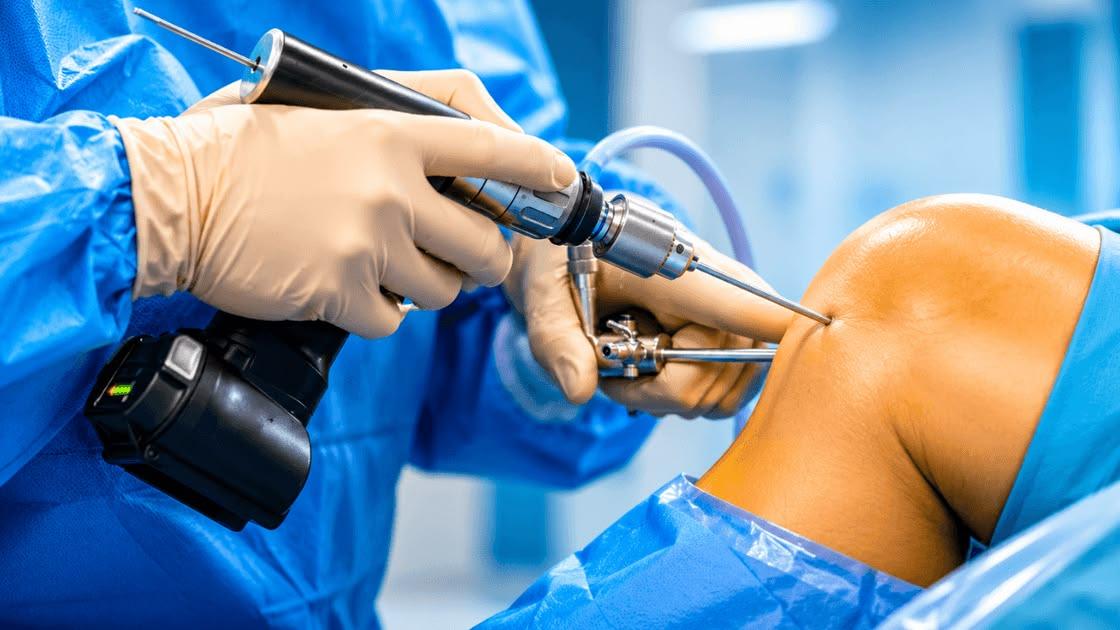
Recovering After ACL Surgery requires much more than simply allowing the surgical wound to heal. A successful outcome depends heavily on a structured rehabilitation program designed to restore knee strength, stability, flexibility, balance, and confidence. Whether you have undergone acl reconstruction surgery, acl ligament surgery, or another form of acl knee surgery, rehabilitation is the key to returning safely to daily activities and sports.
The anterior cruciate ligament (ACL) plays a vital role in stabilizing the knee during movement. Following an ACL injury and surgical reconstruction, surrounding muscles often become weak, joint mobility decreases, and balance may be affected. This is why targeted exercises are essential throughout recovery.
This guide explains the most important rehabilitation exercises After ACL Surgery, how they help restore knee function, and when they are typically introduced during recovery.
Why Rehabilitation Is Important After ACL Surgery
Many patients believe that surgery alone fixes the problem. However, the real recovery process begins after the operation.
The goals of rehabilitation include:
-
Restoring knee mobility
-
Rebuilding muscle strength
-
Improving balance and coordination
-
Reducing swelling
-
Enhancing knee stability
-
Preventing reinjury
-
Supporting return to sports
Evidence-based ACL rehabilitation programs emphasize restoring full knee extension, reducing swelling, and progressively strengthening the quadriceps and surrounding muscles throughout recovery.
Without proper rehabilitation, patients may experience prolonged weakness, instability, and delayed recovery.
Understanding Recovery Phases
Before discussing exercises, it is important to understand that rehabilitation progresses through different stages.
Typical phases include:
|
Phase |
Main Goal |
|
Weeks 1–3 |
Reduce pain and swelling |
|
Weeks 4–6 |
Improve mobility and strength |
|
Weeks 7–12 |
Build muscle strength and balance |
|
Months 3–6 |
Functional training and advanced strengthening |
|
Months 6–12 |
Return-to-sport preparation |
These timelines may vary depending on individual recovery and surgeon recommendations.
Phase 1: Early Exercises After ACL Surgery
The first phase After ACL Surgery focuses on restoring movement and activating muscles safely.
1. Ankle Pumps
Ankle pumps improve circulation and reduce swelling.
How to Perform
-
Lie comfortably with the leg elevated.
-
Move the foot up and down repeatedly.
-
Perform for 1–2 minutes several times daily.
Benefits
-
Improves blood flow
-
Reduces swelling
-
Helps prevent blood clots
This is often one of the first exercises introduced after acl tear surgery.
2. Quadriceps Sets
Quadriceps activation is critical during early recovery.
Experts consistently identify quadriceps strengthening as one of the most important priorities throughout ACL rehabilitation.
How to Perform
-
Sit with the leg straight.
-
Tighten the front thigh muscle.
-
Hold for 5–10 seconds.
-
Relax and repeat.
Benefits
-
Restores quadriceps control
-
Improves knee stability
-
Supports walking recovery
Many rehabilitation protocols introduce this exercise immediately After ACL Surgery.
3. Heel Slides
Heel slides help restore knee flexibility.
Steps
-
Lie on your back.
-
Slowly slide your heel toward your body.
-
Bend the knee comfortably.
-
Return to the starting position.
Benefits
-
Improves range of motion
-
Prevents stiffness
-
Supports functional movement
Regaining knee mobility is one of the earliest goals after acl reconstruction surgery.
Phase 2: Strengthening Exercises
As healing progresses, strengthening exercises become increasingly important.
4. Straight Leg Raises
This exercise helps strengthen the quadriceps without excessive stress on the knee.
How to Perform
-
Lie flat on your back.
-
Keep the surgical leg straight.
-
Raise it slowly.
-
Lower it under control.
Benefits
-
Builds thigh strength
-
Improves knee control
-
Supports walking mechanics
This exercise is commonly included during recovery from acl surgery.
5. Stationary Cycling
Many patients begin stationary cycling once sufficient knee motion has returned.
Benefits
-
Improves flexibility
-
Enhances circulation
-
Builds endurance
-
Supports joint mobility
Cycling is often introduced during the intermediate stages of acl surgery recovery time.
6. Mini Squats
Mini squats help strengthen multiple lower-body muscle groups.
Instructions
-
Stand with feet shoulder-width apart.
-
Bend the knees slightly.
-
Keep movements controlled.
-
Return to standing.
Benefits
-
Strengthens quadriceps
-
Activates gluteal muscles
-
Improves knee stability
Mini squats are frequently recommended during Phase 2 rehabilitation.
Phase 3: Balance and Stability Training
Knee stability depends on more than strength alone.
7. Single-Leg Balance
Balance exercises improve neuromuscular control.
How to Perform
-
Stand on one leg.
-
Maintain balance for 20–30 seconds.
-
Progress gradually.
Benefits
-
Enhances coordination
-
Improves knee control
-
Reduces reinjury risk
Neuromuscular training is considered an essential part of ACL rehabilitation.
8. Step-Ups
Step-ups mimic everyday activities such as climbing stairs.
Instructions
-
Use a low platform.
-
Step up slowly.
-
Step down under control.
Benefits
-
Builds functional strength
-
Improves knee stability
-
Enhances balance
Step-up exercises are frequently incorporated into rehabilitation following acl ligament surgery.
9. Bridges
Bridges strengthen the hips and hamstrings.
How to Perform
-
Lie on your back with knees bent.
-
Lift the hips upward.
-
Hold briefly.
-
Lower slowly.
Benefits
-
Strengthens posterior chain muscles
-
Improves knee alignment
-
Supports athletic movement
Strong hip muscles help reduce stress on the knee joint.
Phase 4: Advanced Strength Training
As recovery progresses, more challenging exercises are introduced.
10. Lunges
Lunges develop strength and control.
Benefits
-
Improves lower-body strength
-
Enhances stability
-
Builds functional movement patterns
Forward and lateral lunges are commonly used in advanced rehabilitation programs.
11. Leg Press
Leg press exercises help improve strength safely.
Advantages
-
Controlled resistance
-
Progressive loading
-
Improved muscle development
Strength symmetry between both legs becomes increasingly important during this stage.
12. Wall Squats
Wall squats provide additional strengthening benefits.
Benefits
-
Builds quadriceps strength
-
Improves endurance
-
Enhances knee stability
These exercises are often recommended as patients transition toward higher-level activities.
Phase 5: Return-to-Sport Exercises
Returning to sports requires more than basic strength.
13. Plyometric Training
Plyometric exercises involve explosive movements.
Examples include:
-
Jumping drills
-
Box jumps
-
Hop training
These exercises help prepare the knee for athletic demands.
14. Agility Drills
Agility exercises improve:
-
Direction changes
-
Coordination
-
Reaction speed
These drills are introduced gradually as strength and stability improve.
15. Running Progressions
Running typically begins only after specific recovery criteria are met.
Guidelines often require:
-
Full knee extension
-
Minimal swelling
-
Adequate quadriceps strength
-
Pain-free movement
Return-to-running decisions should be based on functional testing rather than time alone.
Bad Signs After ACL Surgery During Rehabilitation
Patients should recognize bad signs after acl surgery and seek medical advice if they occur.
Warning Signs Include
-
Persistent swelling
-
Severe pain
-
Knee locking
-
Instability
-
Fever
-
Wound drainage
Ignoring these symptoms can delay recovery and increase complication risk.
Common Rehabilitation Mistakes
Recovery After ACL Surgery can be delayed by several common mistakes.
Returning Too Soon
Many athletes feel strong before the graft has fully adapted.
Skipping Physical Therapy
Consistency is essential for long-term success.
Neglecting Balance Training
Strength alone is not enough.
Poor Exercise Technique
Improper form may increase reinjury risk.
Research shows that inadequate rehabilitation and returning to activity too early are major contributors to repeat ACL injuries.
ACL Surgery Cost and Rehabilitation
Many patients focus on acl surgery cost, but rehabilitation should also be considered part of the overall treatment process.
Successful recovery often requires:
-
Multiple physiotherapy sessions
-
Functional assessments
-
Progressive strengthening programs
-
Return-to-sport testing
Investing in rehabilitation is just as important as the surgery itself.
Tips for Better Results After ACL Surgery
To maximize recovery:
-
Follow your rehabilitation plan
-
Attend all therapy sessions
-
Perform home exercises consistently
-
Prioritize quadriceps strengthening
-
Maintain good nutrition
-
Get adequate sleep
-
Avoid rushing recovery
Small daily improvements can lead to significant long-term results.
Conclusion
Recovering After ACL Surgery requires dedication, patience, and a structured rehabilitation program. From simple ankle pumps and quadriceps sets in the early stages to advanced plyometric and agility training later in recovery, every exercise serves a specific purpose in restoring knee strength and stability.
Whether recovering from acl surgery, acl tear surgery, acl ligament surgery, or acl reconstruction surgery, consistent rehabilitation remains the foundation of successful recovery. Understanding acl surgery recovery time, recognizing bad signs after acl surgery, and following professional guidance can help patients achieve the best possible outcome. For expert surgical care, personalized rehabilitation programs, and comprehensive knee injury management, consulting the Best ACL Surgery Specialist in Delhi NCR can support a safer recovery and a confident return to sports and daily activities.

 English
 Arabic
 French
 Spanish
 Portuguese
 Deutsch
 Turkish
 Dutch
Dutch
 Russian
 Romaian
 Portuguese (Brazil)
 Greek
Greek
