


Common Wear and Tear Issues Found During Crane Safety Evaluations
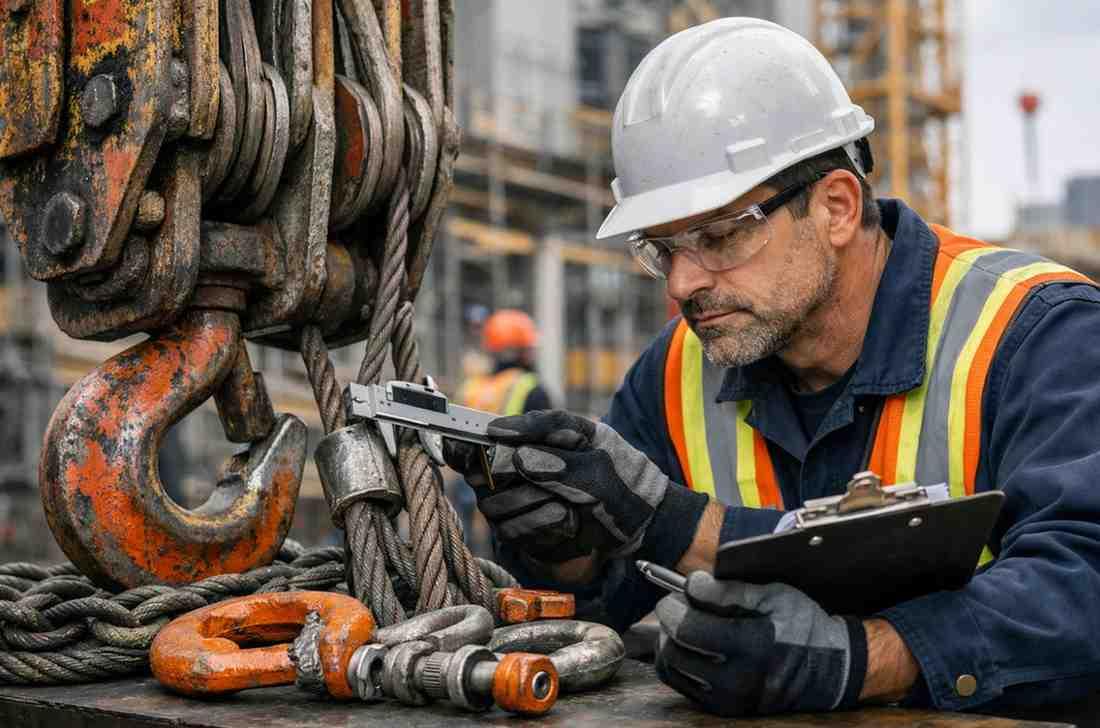
Cranes play an important role in construction, industrial operations, ports, and many other work environments. Regular evaluations help identify defects before they become serious safety concerns. Crane Inspection Services in Dubai are often used to assess the condition of lifting equipment and detect signs of wear that may affect performance, reliability, and worker safety. During these evaluations, inspectors carefully examine different crane components to identify damage caused by continuous operation, environmental conditions, and aging equipment.
Wear in Wire Ropes and Lifting Cables
Wire ropes are among the most heavily used crane components. They handle significant loads every day and are exposed to constant bending, twisting, and tension. Over time, this repeated stress can cause visible wear and internal damage.
Inspectors commonly look for broken strands, corrosion, flattening, bird-caging, and excessive abrasion. Even small defects can reduce the strength of the rope and increase the risk of failure during lifting operations. Environmental factors such as moisture, dust, and chemical exposure can also speed up deterioration.
Regular monitoring of wire ropes helps identify issues early and allows damaged ropes to be replaced before they become unsafe.
Structural Cracks and Metal Fatigue
The crane's structural framework is designed to support heavy loads, but years of operation can gradually weaken metal components. Continuous loading and unloading cycles may lead to metal fatigue, especially in high-stress areas.
During evaluations, inspectors carefully examine welds, joints, booms, and supporting structures for cracks, deformation, or signs of stress. Small cracks can expand over time and affect the overall integrity of the crane.
Detecting structural damage early helps prevent larger mechanical problems and supports safe crane operation in demanding work environments.
Hook Damage and Deformation
Crane hooks are critical lifting components that experience direct contact with loads. Because they carry significant weight, they are vulnerable to wear and deformation.
Inspectors check for cracks, excessive wear, twisting, stretching, and opening of the hook throat. Even slight changes in hook dimensions may indicate that the component has been overloaded or subjected to unusual stress.
Routine evaluations help determine whether hooks remain within acceptable limits and are suitable for continued use.
Hydraulic System Leaks and Component Wear
Many cranes depend on hydraulic systems for lifting, lowering, and positioning loads. Hydraulic components can wear over time due to pressure, temperature changes, and continuous operation.
Common issues identified during inspections include leaking hoses, damaged seals, worn cylinders, and fluid contamination. Hydraulic leaks not only reduce operational efficiency but may also create safety hazards in the workplace.
Inspectors often evaluate the condition of hydraulic lines and connections to ensure that the system operates smoothly and safely.
Pulley and Sheave Wear
Pulleys and sheaves guide wire ropes and help distribute loads during lifting operations. Constant movement and friction can gradually wear these components.
Evaluators look for groove wear, misalignment, cracks, and surface damage. Excessive wear can increase stress on wire ropes and accelerate their deterioration.
Proper inspection of these components helps maintain smooth lifting operations and reduces unnecessary strain on other crane parts.
Brake System Deterioration
The braking system plays a major role in controlling crane movement and holding loads securely. Brake components naturally wear down through repeated use.
Inspectors check brake pads, drums, discs, springs, and adjustment mechanisms for signs of wear. Reduced braking efficiency can affect crane control and increase operational risks.
Identifying worn brake components early allows maintenance teams to address issues before they impact safety and performance.
Electrical Component Problems
Modern cranes contain various electrical systems that support controls, monitoring devices, sensors, and safety functions. Exposure to heat, moisture, dust, and vibration can affect electrical components over time.
Common findings include loose connections, damaged wiring, worn switches, and deteriorated insulation. Faulty electrical systems can lead to unexpected equipment behavior or operational interruptions.
Regular evaluations help ensure that electrical components remain in good working condition and continue to support safe crane operations.
Corrosion and Environmental Damage
Cranes operating outdoors are constantly exposed to environmental conditions. Rain, humidity, salt, dust, and temperature changes can contribute to corrosion and surface deterioration.
Inspectors examine structural sections, fasteners, platforms, and exposed metal surfaces for rust and corrosion. If left untreated, corrosion can weaken important components and shorten equipment life.
Routine evaluations help identify areas that require cleaning, protective coatings, or repair to prevent further damage.
Safety Device Wear and Malfunction
Safety devices are designed to protect workers and equipment during lifting activities. These include limit switches, overload protection systems, alarms, and emergency stop functions.
During crane evaluations, inspectors verify that these systems are functioning correctly. Wear, electrical faults, or mechanical damage may affect their performance.
Proper testing of safety devices helps ensure that cranes can operate within their intended limits and respond correctly during unusual situations.
Regular crane evaluations provide valuable information about equipment condition and help identify wear before it develops into more serious problems. From wire ropes and hooks to hydraulic systems and structural components, each part of the crane requires careful attention. Through detailed assessments and maintenance planning, organizations can improve equipment reliability, support safer operations, and extend the service life of their lifting equipment. For this reason, many industries continue to rely on Crane Inspection Services in Dubai to identify common wear and tear issues and maintain safe working conditions.

 English
 Arabic
 French
 Spanish
 Portuguese
 Deutsch
 Turkish
 Dutch
Dutch
 Italiano
 Russian
 Portuguese (Brazil)
 Greek
Greek
