


Do I Need a Permit to Build a Privacy Fence on My Property?
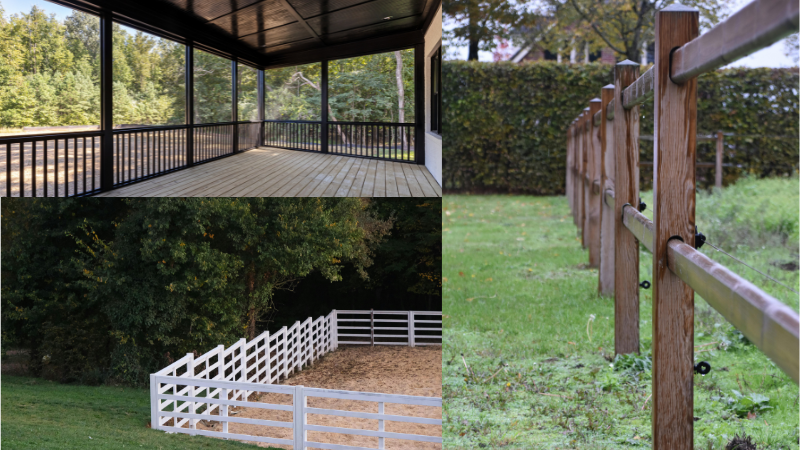
Installing a privacy fence is one of the most effective ways to enhance security, improve curb appeal, and create a more comfortable outdoor living space. Whether you're looking to block unwanted views, keep children and pets safe, or define your property boundaries, a well-built fence can add both functionality and value to your home.
However, before starting a fencing project, many homeowners ask an important question: Do I need a permit to build a privacy fence on my property?
The answer depends on several factors, including your location, fence height, property zoning regulations, and local municipal bylaws. Understanding these requirements before construction begins can help you avoid fines, delays, disputes with neighbors, and costly modifications.
In this guide, we'll explain when a permit may be required for a privacy fence, what factors influence permit requirements, and how to ensure your fencing project complies with local regulations.
Why Fence Permit Requirements Matter
Many homeowners assume that because a fence is built entirely on private property, no approval is necessary. Unfortunately, that's not always the case.
Municipalities establish fencing regulations to ensure that structures remain safe, maintain neighborhood aesthetics, protect visibility at intersections, and prevent conflicts between neighboring properties.
Failing to follow local requirements can lead to:
-
Municipal fines
-
Stop-work orders
-
Required fence removal
-
Neighbor disputes
-
Difficulties during future property sales
Whether you're planning a simple backyard fence or investing in premium Cedar Privacy Fences, taking time to verify local requirements is an important first step.
Do All Privacy Fences Require a Permit?
The short answer is no.
In many municipalities, standard residential privacy fences do not require a building permit if they fall within specific height and placement guidelines. However, there are exceptions.
Permit requirements often depend on:
-
Fence height
-
Property location
-
Corner lot restrictions
-
Proximity to roads and sidewalks
-
Heritage property regulations
-
Homeowners association requirements
-
Local zoning bylaws
Because regulations vary from city to city, homeowners should always confirm requirements with their local municipality before beginning construction.
Fence Height Often Determines Permit Requirements
One of the biggest factors affecting permit requirements is fence height.
Most municipalities allow backyard privacy fences up to a certain height without requiring a permit. However, once a fence exceeds that limit, approval may become necessary.
Common residential fence height limits include:
Front Yard Fences
Front yard fences are often restricted to lower heights to preserve visibility and neighborhood appearance.
Typical limits range from:
-
1.0 to 1.2 meters (3–4 feet)
Backyard Fences
Backyard privacy fences generally have more flexibility.
Typical limits range from:
-
1.8 to 2.0 meters (6–6.5 feet)
If your proposed fence exceeds local height restrictions, you may need a permit or special approval.
Professional fencing installation contractor Surrey teams are often familiar with local regulations and can help homeowners avoid compliance issues before construction begins.
Property Lines and Fence Placement
Even if a permit isn't required, property line accuracy is essential.
Building a fence in the wrong location can create significant legal and financial problems.
Before installing a fence:
-
Confirm property boundaries.
-
Review your property survey.
-
Locate underground utilities.
-
Discuss plans with neighboring property owners.
Many disputes arise when fences are accidentally installed on adjacent properties.
Working with experienced top rated fence installers can help ensure proper placement and reduce the risk of future conflicts.
Corner Lots Have Additional Restrictions
Corner properties often face stricter fencing regulations.
Municipalities may limit fence height near intersections to preserve visibility for drivers, cyclists, and pedestrians.
These areas are commonly referred to as:
-
Sight triangles
-
Visibility triangles
-
Traffic safety zones
Installing a tall privacy fence within these restricted areas could require special approval or redesign.
Homeowners with corner lots should always verify local requirements before starting construction.
Municipal Regulations Vary by Location
Every municipality has its own fencing bylaws and development regulations.
For homeowners seeking fencing installation services in Abbotsford BC or surrounding communities, requirements may differ significantly between cities.
Common Service Areas Include:
-
Abbotsford
-
Richmond
-
White Rock
-
Langley
-
Surrey
-
Coquitlam
-
Port Coquitlam
-
Burnaby
-
Vancouver
Each municipality may have unique regulations regarding:
-
Fence height
-
Materials
-
Setbacks
-
Visibility requirements
-
Permit applications
This is why consulting local authorities or experienced fencing professionals is always recommended.
Are Cedar Privacy Fences Subject to Different Rules?
Generally, permit requirements focus on fence size and location rather than material type.
Whether you're installing:
-
Wood fencing
-
Vinyl fencing
-
Metal fencing
-
Composite fencing
The same municipal regulations typically apply.
However, cedar remains one of the most popular choices because of its:
-
Natural beauty
-
Durability
-
Rot resistance
-
Long lifespan
-
Minimal maintenance requirements
Many homeowners choose cedar because it provides privacy while complementing a wide variety of architectural styles.
When You May Need a Permit
Although requirements vary, permits are more likely to be required in situations such as:
Building an Extra-Tall Fence
If your fence exceeds local height limits, approval may be necessary.
Installing Near Roads or Intersections
Visibility restrictions often apply to corner lots and high-traffic areas.
Heritage Properties
Some municipalities require additional approvals for designated heritage homes.
Environmentally Sensitive Areas
Properties near waterways, protected landscapes, or environmental zones may face additional regulations.
Commercial Properties
Commercial fencing projects often have different permitting requirements than residential installations.
When in doubt, contact your municipality before beginning construction.
How to Check If You Need a Permit
Fortunately, determining permit requirements is usually straightforward.
Step 1: Visit Your Municipal Website
Most local governments provide fencing regulations online.
Review:
-
Fence bylaws
-
Zoning regulations
-
Building permit requirements
Step 2: Contact the Planning Department
If regulations seem unclear, contact municipal planning staff directly.
Provide:
-
Property address
-
Proposed fence height
-
Fence location
-
Material type
Step 3: Consult Professional Installers
Experienced contractors often work with municipal requirements daily and can provide guidance throughout the planning process.
Many companies offering fencing installation services in local communities assist homeowners with regulatory questions before construction begins.
Benefits of Hiring Professional Fence Installers
While some homeowners choose a DIY approach, professional installation offers several advantages.
Experienced contractors understand:
-
Local bylaws
-
Property setbacks
-
Utility locations
-
Construction best practices
-
Permit requirements
Working with top rated fence installers can help ensure your project is completed correctly, safely, and in compliance with municipal regulations.
Professional installers also reduce the risk of costly mistakes that may require corrections later.
Avoiding Common Privacy Fence Mistakes
Many homeowners encounter preventable problems during fence installation.
Ignoring Local Regulations
Assuming no permit is required can create significant issues later.
Building Too Close to Property Lines
Even small encroachments can trigger disputes.
Overlooking Utility Locations
Always locate underground services before digging post holes.
Choosing the Wrong Fence Height
A fence that exceeds local limits may require modifications after installation.
Failing to Discuss Plans With Neighbors
Open communication often prevents misunderstandings and future conflicts.
These simple precautions can save time, money, and frustration.
Privacy Fences and Property Value
A professionally installed privacy fence can be a valuable investment.
Benefits include:
-
Increased privacy
-
Improved security
-
Enhanced curb appeal
-
Better outdoor functionality
-
Increased property appeal for potential buyers
High-quality Cedar Privacy Fences are particularly attractive because they combine durability with timeless aesthetics.
When installed properly and maintained regularly, cedar fences can provide decades of reliable performance.
Residential Fence Installation: Planning for Success
Every successful fencing project begins with careful planning.
Before starting construction:
Establish Your Goals
Consider whether your primary objective is:
-
Privacy
-
Security
-
Pet containment
-
Aesthetic enhancement
-
Property boundary definition
Determine Your Budget
Costs may vary depending on:
-
Materials
-
Fence height
-
Property size
-
Site conditions
Review Local Requirements
Verify permit and bylaw requirements early in the planning process.
Hire Qualified Professionals
Working with experienced contractors can help streamline the process and ensure quality results.
For homeowners considering residential fence installation, planning ahead often leads to smoother projects and better long-term outcomes.
Questions to Ask Before Building a Privacy Fence
Before construction begins, ask yourself:
-
What is the maximum fence height allowed?
-
Do I need a permit?
-
Where are my property lines?
-
Are there utility lines underground?
-
Are there visibility restrictions?
-
Have I discussed the project with my neighbors?
-
What fencing material best suits my property?
Answering these questions early can prevent unexpected complications later.
Why Local Expertise Matters
Fence regulations can differ significantly from one municipality to another.
A contractor familiar with local requirements in:
-
Abbotsford
-
Richmond
-
White Rock
-
Langley
-
Surrey
-
Coquitlam
-
Port Coquitlam
-
Burnaby
-
Vancouver
can often identify potential issues before they become costly problems.
Local knowledge helps ensure compliance while simplifying the installation process.
Conclusion
So, do you need a permit to build a privacy fence on your property?
In many cases, standard residential privacy fences do not require permits, but requirements vary depending on fence height, location, zoning regulations, and municipal bylaws. Before starting construction, it's always wise to verify local requirements and ensure your project complies with applicable regulations.
Whether you're planning a new residential fence installation, researching fencing installation services in abbotsford bc, or working with a trusted fencing installation contractor surrey, taking the time to understand permit requirements can help you avoid costly mistakes and enjoy a smooth installation experience.
With proper planning, quality materials, and guidance from top rated fence installers, your new Cedar Privacy Fences can provide privacy, security, and lasting beauty for many years to come.

 English
 Arabic
 French
 Spanish
 Portuguese
 Turkish
 Dutch
Dutch
 Italiano
 Russian
 Romaian
 Portuguese (Brazil)
 Greek
Greek
