


Why Perimenopause Awareness Is Growing Worldwide
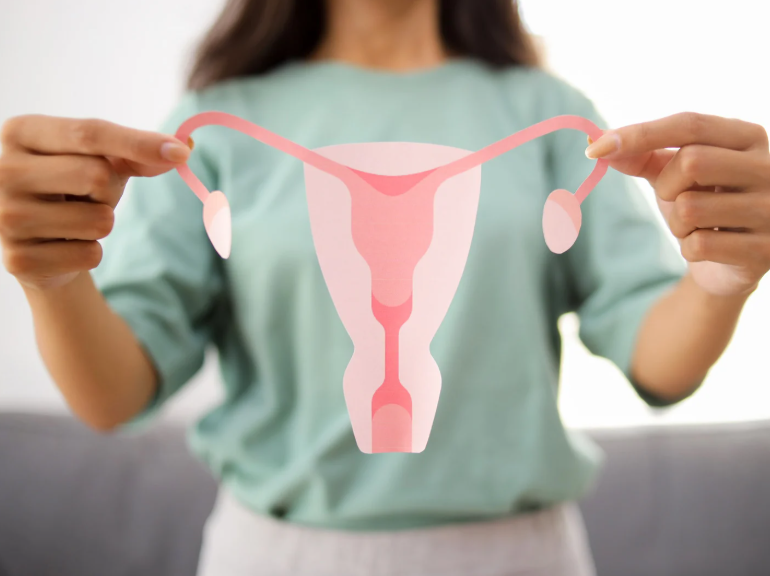
A Global Shift in Women's Health Conversations
Perimenopause is gaining greater attention across the world as more women seek reliable information about the physical and emotional changes that occur before menopause. For many years, conversations around this stage of life were limited, leaving countless women confused about their symptoms and available treatment options. Today, healthcare providers, advocacy groups, and researchers are helping to bring perimenopause into the spotlight.
The growing focus on women's health has encouraged more discussions about hormonal changes, reproductive wellbeing, and long term health management. Medical specialties such as obstetrics and gynecology are increasingly recognising the importance of educating women about perimenopause and providing support throughout this transitional phase.
Increased Access to Health Information
Digital Platforms Are Changing Awareness
The rise of digital media has played a significant role in increasing perimenopause awareness. Women can now access educational resources, medical articles, podcasts, and expert advice from almost anywhere in the world. Social media platforms have also allowed individuals to share personal experiences, helping others recognise symptoms they may have previously overlooked.
This wider access to information has empowered women to ask questions, seek medical guidance, and make informed decisions about their health. As a result, perimenopause is no longer viewed as a topic that should remain hidden or ignored.
Better Recognition of Symptoms
One reason awareness is growing is that healthcare professionals are becoming more skilled at identifying the diverse symptoms associated with perimenopause. While hot flushes and irregular periods are commonly recognised, many women experience a much broader range of symptoms, including:
- Sleep disturbances
- Mood changes
- Anxiety
- Brain fog
- Fatigue
- Joint discomfort
- Reduced concentration
- Changes in libido
Improved recognition helps women understand that these symptoms may be linked to hormonal fluctuations rather than unrelated health concerns.
Workplace Discussions Are Becoming More Common
Employers Are Supporting Women's Wellbeing
Many organisations are acknowledging the impact perimenopause can have on workplace performance and overall wellbeing. Employers are increasingly introducing policies and support systems designed to assist women experiencing symptoms.
Flexible work arrangements, educational workshops, and employee assistance programs are becoming more common. These initiatives help reduce stigma and create environments where women feel comfortable discussing health challenges without fear of judgment.
Economic Impact Is Driving Change
Businesses are recognising that untreated symptoms can affect productivity, attendance, and employee satisfaction. By supporting women through perimenopause, organisations can improve workplace retention and promote a healthier workforce.
As awareness continues to expand, workplace conversations are helping normalise discussions around hormonal health and ageing.
Medical Research Is Expanding
Growing Scientific Interest
Researchers around the world are dedicating more resources to studying perimenopause and its effects. This increased focus has led to a better understanding of hormonal changes and how they influence physical and mental health.
Studies continue to examine topics such as:
- Hormone therapy options
- Cardiovascular health
- Bone density changes
- Mental health outcomes
- Sleep quality
- Lifestyle interventions
These findings help healthcare providers develop evidence-based approaches to care and improve treatment options for women.
Improved Clinical Guidelines
Medical organisations are updating guidelines to ensure healthcare professionals can provide more effective support. Greater awareness among doctors means women are more likely to receive accurate diagnoses and personalised treatment plans.
The growing collaboration between specialists in obstetrics, endocrinology, and women's health is contributing to more comprehensive care pathways.
Changing Cultural Attitudes
Breaking Long-Standing Stigma
Historically, menopause related topics were often considered private or uncomfortable subjects. In many cultures, women felt pressure to remain silent about symptoms and struggles.
Today, public discussions led by health experts, celebrities, and advocates are helping break these barriers. Open conversations encourage women to seek support earlier and reduce feelings of isolation.
As cultural attitudes evolve, perimenopause is increasingly viewed as a natural life stage rather than a condition that should be hidden.
Representation in Media
Television programs, magazines, online publications, and health campaigns are dedicating more attention to perimenopause. This visibility helps educate wider audiences and promotes understanding among family members, employers, and communities.
Greater representation also allows women to see their experiences reflected in public conversations, validating concerns that may have previously been dismissed.
The Importance of Early Intervention
Preventing Long Term Health Challenges
Awareness campaigns emphasise the value of recognising symptoms early. Seeking medical advice during perimenopause can help women manage symptoms more effectively and address potential health risks before they become more serious.
Hormonal changes may influence several aspects of health, including:
- Bone strength
- Heart health
- Metabolic function
- Mental wellbeing
- Sleep patterns
Early intervention can support better long-term outcomes and improve quality of life.
Personalised Care Options
Every woman's experience of perimenopause is different. Increased awareness encourages personalised healthcare approaches that consider individual symptoms, medical history, and lifestyle factors.
Healthcare professionals may recommend a combination of treatments, lifestyle modifications, nutritional guidance, and ongoing monitoring to help women navigate this transition successfully.
Education Is Empowering Future Generations
Greater Awareness Among Younger Women
Educational initiatives are helping younger women understand what perimenopause is and what to expect later in life. This knowledge reduces uncertainty and encourages proactive health management.
Women who understand hormonal transitions are often better prepared to recognise symptoms when they arise and seek appropriate care.
Encouraging Family Support
As awareness spreads, family members are also learning more about perimenopause. Better understanding among partners, children, and caregivers creates stronger support networks and improves emotional wellbeing during this stage of life.
The increasing integration of perimenopause education into broader women's health discussions, including areas such as obstetrics, is helping build a more informed and supportive society.
FAQs
What is perimenopause?
Perimenopause is the transitional stage before menopause when hormone levels begin to fluctuate, often causing various physical and emotional symptoms.
At what age does perimenopause usually begin?
Most women begin experiencing perimenopause in their 40s, although some may notice symptoms in their late 30s.
How long can perimenopause last?
Perimenopause can last several years, with the duration varying significantly from one woman to another.
What are the most common symptoms of perimenopause?
Common symptoms include irregular periods, hot flushes, sleep disturbances, mood changes, fatigue, and difficulty concentrating.

 English
 Arabic
 French
 Spanish
 Portuguese
 Deutsch
 Turkish
 Dutch
Dutch
 Italiano
 Romaian
 Portuguese (Brazil)
 Greek
Greek
