


Total Knee Replacement Recovery Timeline: What to Expect After Surgery
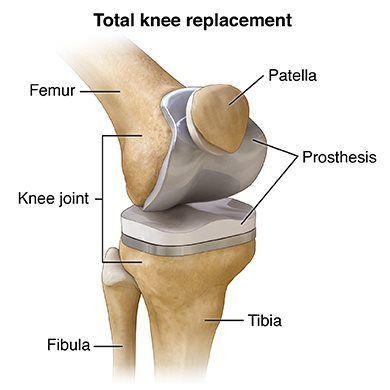
Recovering from Total Knee Replacement is a journey that requires patience, commitment, and proper rehabilitation. While the surgery is designed to relieve pain and restore mobility, understanding the recovery timeline can help patients set realistic expectations and prepare for a successful outcome.
Many people considering total knee replacement surgery are eager to know how soon they can walk, return to work, drive, and resume their normal activities. Although recovery varies from person to person, most patients follow a predictable timeline that progresses from early mobility to full functional recovery over several months.
This comprehensive guide explains what to expect after Total Knee Replacement, including recovery milestones, rehabilitation goals, pain management, and tips for achieving the best possible results.
Understanding Total Knee Replacement
Total Knee Replacement is a surgical procedure that removes damaged cartilage and bone from the knee joint and replaces them with artificial implants.
The surgery aims to:
-
Relieve chronic pain
-
Restore knee function
-
Improve mobility
-
Correct deformities
-
Enhance quality of life
Millions of people undergo knee replacement surgery every year and experience significant improvements in daily activities.
Why Recovery Is Important
The success of Total Knee Replacement does not depend solely on the surgery itself. Recovery and rehabilitation play a major role in restoring strength, flexibility, and joint function.
The goals of recovery include:
-
Reducing pain and swelling
-
Restoring range of motion
-
Strengthening muscles
-
Improving balance
-
Returning to daily activities
Patients who actively participate in physiotherapy generally achieve better outcomes.
Factors That Affect Recovery
Every patient heals differently. Several factors influence recovery after Total Knee Replacement.
Age
Younger patients may recover faster, but older adults can also achieve excellent outcomes with proper rehabilitation.
Overall Health
Conditions such as diabetes, obesity, and heart disease may affect healing speed.
Physical Fitness
Patients with stronger muscles before surgery often recover more efficiently.
Surgical Technique
Modern techniques and improved implant technology can support smoother recovery.
Commitment to Physiotherapy
Following rehabilitation exercises consistently is one of the most important factors in recovery success.
Day 1: The First 24 Hours After Surgery
Recovery begins immediately after surgery.
Most patients are encouraged to start moving the same day or within 24 hours.
Activities may include:
-
Ankle exercises
-
Foot movements
-
Sitting upright
-
Standing with assistance
-
Taking a few steps
Early movement helps:
-
Improve circulation
-
Prevent blood clots
-
Reduce stiffness
-
Build confidence
Medical staff closely monitor pain levels and overall health during this period.
Days 2–3: Hospital Recovery
During the next few days, patients continue physiotherapy under supervision.
Goals include:
-
Walking short distances
-
Practicing stair climbing
-
Improving knee movement
-
Learning home exercises
Most patients are discharged from the hospital within two to five days, depending on their recovery progress.
Week 1: Returning Home
The first week at home focuses on healing and adapting to daily routines.
Common experiences include:
-
Swelling
-
Mild discomfort
-
Bruising around the knee
-
Limited mobility
Patients typically use:
-
Walkers
-
Crutches
-
Walking sticks
During this stage, it is important to:
-
Follow medication instructions
-
Perform prescribed exercises
-
Walk regularly
-
Keep the incision clean
Consistency is key to successful recovery.
Week 2: Building Confidence
By the second week, many patients begin noticing improvements.
Positive changes often include:
-
Reduced swelling
-
Better knee movement
-
Increased walking distance
-
Improved confidence
Physiotherapy focuses on:
-
Range-of-motion exercises
-
Muscle strengthening
-
Walking practice
Many patients begin feeling more independent during this stage.
Weeks 3–4: Strength and Mobility Improvements
The third and fourth weeks often bring significant progress.
Patients may notice:
-
Better flexibility
-
Increased endurance
-
Reduced pain
-
Improved stability
Physical therapists often introduce:
-
Stationary cycling
-
Balance exercises
-
Strength training
-
Functional mobility exercises
Walking becomes easier, although some stiffness may still occur.
Weeks 4–6: Returning to Daily Activities
Most patients continue making steady improvements.
Common achievements during this period include:
-
Walking independently
-
Performing household activities
-
Shopping
-
Social outings
Many individuals can resume light office work depending on their recovery progress.
Knee Replacement Surgery Recovery Time
One of the most common questions concerns knee replacement surgery recovery time.
Although every patient is unique, the following timeline is typical:
|
Recovery Milestone |
Estimated Timeline |
|
Standing and walking with support |
1–2 days |
|
Hospital discharge |
2–5 days |
|
Walking independently |
4–6 weeks |
|
Return to routine activities |
6–12 weeks |
|
Full recovery |
3–6 months |
Patients should remember that recovery is gradual and requires patience.
Weeks 6–12: Advanced Recovery Phase
During this stage, patients often experience major improvements.
Benefits may include:
-
Better walking ability
-
Increased flexibility
-
Stronger leg muscles
-
Improved confidence
Most patients can perform:
-
Household tasks
-
Moderate walking
-
Recreational activities
-
Daily self-care without assistance
The knee continues gaining strength and stability.
Months 3–6: Full Functional Recovery
By three to six months, many patients achieve substantial recovery.
Common outcomes include:
-
Significant pain relief
-
Improved mobility
-
Better endurance
-
Enhanced quality of life
Patients often return to:
-
Travel
-
Social activities
-
Exercise programs
-
Low-impact sports
Although recovery continues beyond six months, most daily functions have been restored by this stage.
Before and After Knee Replacement Surgery
The differences before and after knee replacement surgery are often dramatic.
Before Surgery
Patients frequently struggle with:
-
Constant pain
-
Limited mobility
-
Difficulty climbing stairs
-
Reduced independence
After Recovery
Many individuals experience:
-
Better mobility
-
Reduced pain
-
Increased confidence
-
Improved quality of life
These improvements make surgery worthwhile for many patients.
Managing Pain During Recovery
Pain management is an important part of rehabilitation.
Common strategies include:
Medications
Doctors prescribe pain-relief medications to improve comfort and participation in physiotherapy.
Ice Therapy
Applying ice can help reduce swelling and discomfort.
Elevation
Keeping the leg elevated helps control swelling.
Regular Exercise
Movement prevents stiffness and promotes healing.
Following medical advice is essential for safe recovery.
Importance of Physiotherapy
Rehabilitation is one of the most important aspects of recovery after Total Knee Replacement.
Benefits include:
-
Increased flexibility
-
Better balance
-
Improved strength
-
Greater mobility
-
Enhanced joint function
Patients who follow their physiotherapy program consistently often recover faster and achieve better outcomes.
Knee Operation Success Rate
Patients frequently ask about the knee operation success rate.
Modern knee replacement surgery has a very high success rate.
Most patients experience:
-
Significant pain relief
-
Improved mobility
-
Better quality of life
-
Long-term implant performance
Advancements in implant design and surgical techniques continue to improve outcomes.
Total Knee Replacement Cost in India
The total knee replacement cost in india varies based on several factors.
These include:
-
Hospital infrastructure
-
Implant selection
-
Surgeon experience
-
City location
-
Medical complexity
Patients should discuss detailed treatment costs with their orthopedic team before surgery.
Choosing the Right Hospital
Selecting the right healthcare facility plays a major role in successful recovery.
Many individuals seek treatment at the Best Hospital for Total Knee Replacement because specialized centers provide:
-
Advanced technology
-
Experienced orthopedic teams
-
Comprehensive rehabilitation programs
-
Personalized treatment plans
Many patients also prefer a top orthopedic hospital in india because of access to specialized care and advanced treatment options.
Importance of an Experienced Surgeon
The expertise of the surgeon significantly affects surgical outcomes.
Many patients look for the best knee replacement surgeon in delhi ncr because experienced specialists can:
-
Improve implant positioning
-
Reduce complications
-
Support smoother recovery
-
Optimize long-term outcomes
Choosing a qualified orthopedic surgeon is one of the most important treatment decisions.
Total Knee Replacement Surgery in Haryana
Patients considering Total Knee Replacement Surgery in Haryana have access to modern orthopedic facilities that offer:
-
Advanced surgical techniques
-
Experienced orthopedic surgeons
-
Comprehensive rehabilitation services
-
Personalized care plans
These resources contribute to better recovery experiences and improved outcomes.
Long-Term Care After Recovery
To protect the new joint and maximize implant lifespan:
Maintain a Healthy Weight
Excess weight increases stress on the artificial knee.
Stay Active
Regular low-impact exercise improves joint health.
Continue Strengthening Exercises
Strong muscles support knee function.
Attend Follow-Up Appointments
Routine evaluations help monitor implant performance.
These habits support long-term success.
Conclusion
Recovery after Total Knee Replacement is a gradual process that requires dedication, patience, and active participation in rehabilitation. Understanding the expected recovery stages and realistic knee replacement surgery recovery time helps patients prepare mentally and physically for the journey ahead.
Whether researching before and after knee replacement surgery, learning about tkr surgery, exploring Total Knee Replacement Surgery in Haryana, or evaluating the knee operation success rate, having accurate information is essential.
By choosing the Best Hospital for Total Knee Replacement, consulting the best knee replacement surgeon in delhi ncr, and following a structured rehabilitation plan, patients can achieve excellent outcomes and enjoy a more active, comfortable, and independent life.

 English
 Arabic
 French
 Portuguese
 Deutsch
 Turkish
 Dutch
Dutch
 Italiano
 Russian
 Romaian
 Portuguese (Brazil)
 Greek
Greek
