


Kayce Dutton's Jeans Breakdown: Distress Them at Home Like the Show
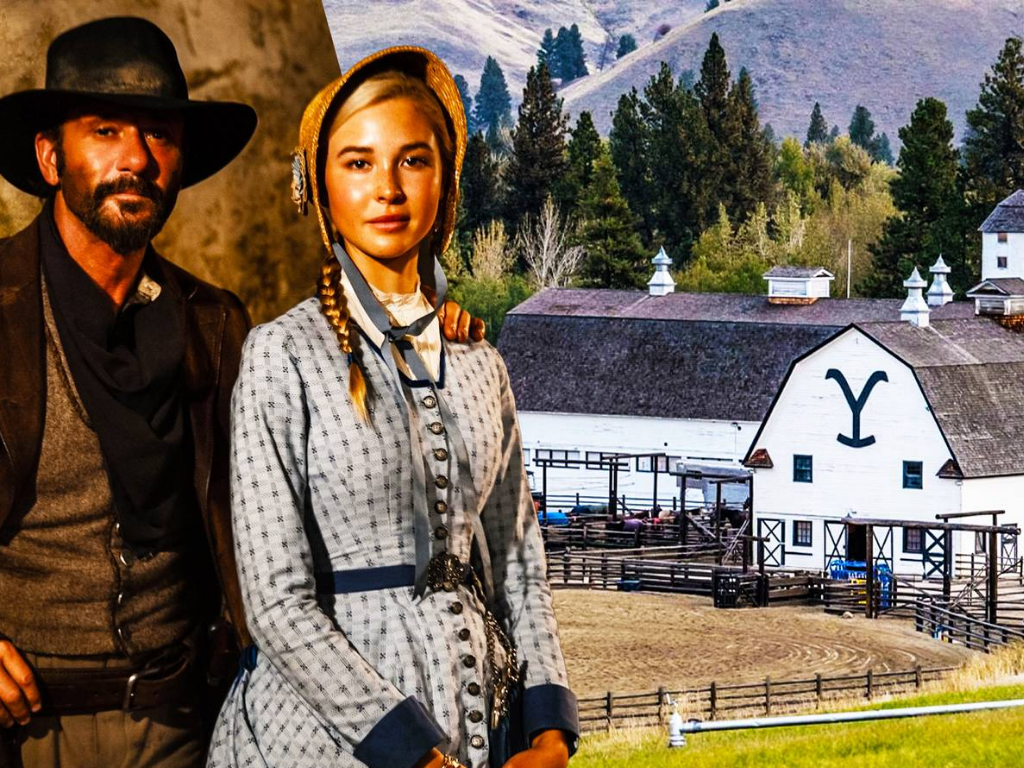
Kayce Dutton does not ask for permission. He does not follow rules he did not help write. And he certainly does not wear pre-distressed designer denim. His jeans tell a story of hard labor, outdoor living, and absolute practicality. Every fade, every frayed edge, and every worn knee has been earned through actual work.
That authenticity is what makes Kayce’s wardrobe so compelling. Unlike manufactured ripped jeans sold at premium prices, his clothing looks genuinely lived-in. The fading follows natural movement patterns. The holes appear where fabric would actually rub or catch. The overall effect is rugged, honest, and surprisingly difficult to fake.
Yet faking it is precisely what most viewers want to do. Buying authentic ranch-worn jeans is not realistic for most people. The alternative is learning how to accelerate the aging process intentionally. With the right techniques, anyone can transform a new pair of sturdy denim into something that echoes Kayce’s Season 1 look.
By the 300-word mark of this article, we will have covered the foundational principles of denim distressing. But first, let us understand why the Dutton Ranch S01 Outfits have become a benchmark for authentic western wear among fashion-conscious viewers.
Why Authentic Distressing Matters
Pre-distressed jeans from retail stores often look artificial. The abrasion patterns are too symmetrical. The fading appears in places that do not correspond to natural body movement. The holes are clean and deliberate rather than organic.
Kayce’s jeans, by contrast, show wear in specific high-stress areas:
-
Knees: From kneeling during fence repair and calving
-
Cuffs: From dragging over boot shafts thousands of times
-
Thighs: From gripping saddle leather during long rides
-
Back pockets: From carrying a worn leather wallet and tools
Understanding these patterns is essential before attempting any distressing. Random damage will look fake. Targeted wear will look earned. The Dutton Ranch S01 Outfits demonstrate this principle perfectly across every character’s wardrobe.
Tools You Will Need
Before starting, gather the following items:
-
A new pair of sturdy denim jeans (100% cotton, no stretch)
-
Medium-grit sandpaper (80 to 120 grit)
-
Fine-grit sandpaper (220 grit)
-
Sharp fabric scissors or a utility knife
-
Tweezers
-
A pumice stone or rough brick piece
-
Cardboard or a cutting mat (to protect surfaces)
-
Chalk or a fabric pencil
Avoid jeans with spandex or elastane. Stretch denim frays differently and will not hold distress patterns like rigid cotton.
Step 1: Select the Right Base Jeans
Kayce wears straight-fit, medium-to-dark wash denim with minimal branding. Look for these characteristics:
| Feature | What to Look For |
|---|---|
| Fit | Straight or slim-straight (not skinny) |
| Wash | Dark indigo or medium blue (not light or acid-washed) |
| Material | 100% cotton, 12–15 oz weight |
| Details | No pre-fading, no whiskering, no artificial holes |
Levi’s 501 or Wrangler 13MWZ are excellent affordable starting points. Both are 100% cotton and respond well to manual distressing.
Step 2: Mark Natural Wear Zones
Put the jeans on and stand naturally. Use chalk to mark where your body creates stress:
-
The center of each kneecap
-
The inside of each thigh (where legs rub)
-
The back pocket corners (where a wallet sits)
-
The bottom hem (where jeans meet boots)
Remove the jeans and lay them flat. These chalk marks are your distress targets. Do not add random marks elsewhere.
Step 3: Create Fading with Abrasion
Fading should precede holes. Start with medium-grit sandpaper and work in small circular motions over the chalked areas.
Fading technique:
-
Apply light to medium pressure only
-
Work for 30 seconds per area, then check progress
-
Blend edges so fades do not have hard lines
-
Use fine-grit sandpaper to soften harsh transitions
Focus heavily on the upper thighs and behind the knees. These areas fade first on genuinely worn ranch jeans.
Step 4: Cut and Weaken for Holes
Once fading looks natural, begin creating structural damage. Use scissors or a utility knife to make small slits inside the faded zones.
Hole creation method:
-
Cut a 1-inch slit horizontally across the faded knee area
-
Make a second slit 1/2 inch below the first
-
Use tweezers to pull out the vertical white threads between slits
-
Leave the horizontal blue threads intact
This technique creates the classic “worn knee” look where white weft threads show but the fabric remains partially connected. For larger holes, repeat the process and remove more vertical threads.
Step 5: Soften and Wash for Realism
Newly distressed denim looks too sharp and clean. It needs softening to appear naturally aged.
Softening process:
-
Rub a pumice stone over all distressed areas (fades and holes)
-
Wash the jeans in warm water with a small amount of bleach (1 tablespoon per gallon)
-
Dry on high heat to shrink the fabric slightly around holes
-
Repeat the wash/dry cycle two to three times
Each wash cycle softens the cut edges and creates micro-fraying that mimics years of use. After three cycles, the distressing should look convincingly organic.
Advanced Techniques for Greater Realism
For those wanting even more authenticity, add these optional steps:
Dirt staining: Rub damp coffee grounds into the cuffs and knees. Let sit for 30 minutes, then rinse. This adds subtle brown undertones.
Tool wear: Rub a metal file or chain against the outer thigh and back pockets. This mimics scratches from fence tools and pocket knives.
Salt fading: Spray saltwater onto the jeans and sit in direct sunlight for several hours. Salt accelerates indigo loss in organic patterns.
Common Mistakes to Avoid
Even experienced DIYers make these errors. Watch out for:
| Mistake | Why It Fails |
|---|---|
| Using stretch denim | Synthetic fibers fray into loose threads rather than clean breaks |
| Cutting holes before fading | Holes without surrounding fade look obviously fake |
| Symmetrical distressing | Real wear is never identical on both knees or both thighs |
| Over-distressing immediately | Natural wear accumulates slowly; add damage in stages |
Maintaining Your Distressed Jeans
Once your jeans look authentic, keep them that way:
-
Wash inside out in cold water
-
Air dry to prevent further shrinkage
-
Do not iron over distressed areas
-
Repair small rips promptly with iron-on patches from the inside
Proper maintenance allows the jeans to continue aging gracefully rather than falling apart prematurely.
Final Thoughts
Kayce Dutton’s jeans are not a costume. They are a record of labor. Recreating that look at home requires understanding why denim wears the way it does. With patience and the right techniques, anyone can transform new jeans into something that carries the same honest character.
Start with quality 100% cotton denim. Mark natural wear zones. Fade before cutting. Wash repeatedly for realism. And remember, authentic distressing is always less symmetrical than you think.

 English
 Arabic
 French
 Spanish
 Portuguese
 Turkish
 Dutch
Dutch
 Italiano
 Russian
 Romaian
 Portuguese (Brazil)
 Greek
Greek
