


Digital Out-of-Home Advertising: The Future of Smart Brand Communication
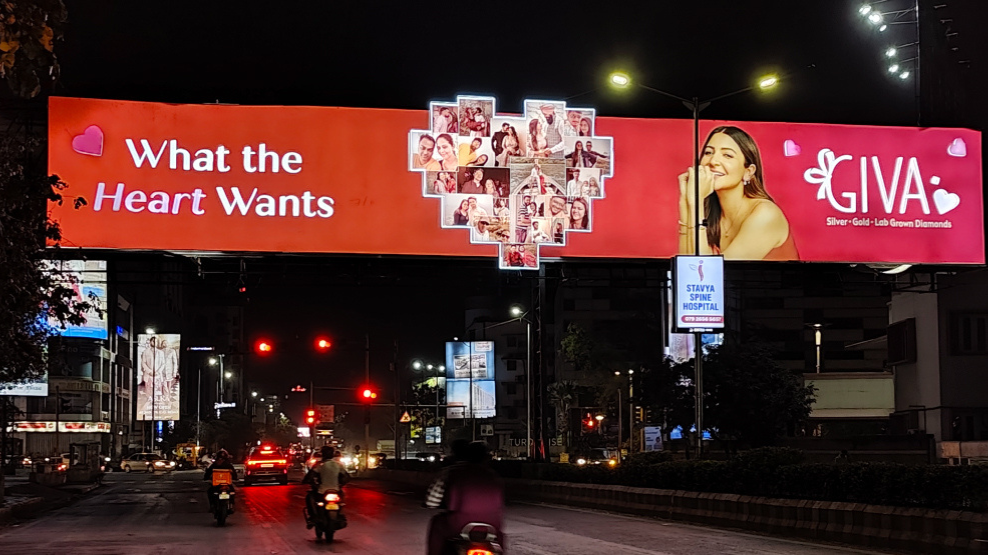
The advertising landscape is constantly evolving, and brands are increasingly looking for innovative ways to capture consumer attention. As audiences spend more time outside their homes, traveling, shopping, and engaging in everyday activities, digital out-of-home advertising has become a powerful medium for reaching consumers in real-world environments.
By combining the broad reach of traditional outdoor advertising with the flexibility of digital technology, digital out-of-home advertising offers brands the ability to deliver engaging, dynamic, and timely messages across a wide range of public locations.
Understanding Digital Out-of-Home Advertising
Digital out-of-home advertising, often referred to as DOOH, uses digital screens and electronic displays to showcase advertisements in public spaces. Unlike static billboards or traditional posters, digital displays can present videos, animations, rotating advertisements, and real-time content updates.
These screens are commonly installed in locations such as:
- Shopping malls
- Airports
- Railway stations
- Metro networks
- Corporate parks
- Commercial complexes
- Entertainment venues
- Highways and city roads
- Bus shelters
- Retail environments
The versatility of digital displays allows advertisers to communicate with audiences more effectively while adapting messages based on location, timing, and campaign objectives.
Why Digital Out-of-Home Advertising Is Growing
Consumer behavior has changed significantly in recent years. Modern audiences expect visually engaging and relevant content. Digital out-of-home advertising addresses these expectations by offering a more dynamic and impactful alternative to traditional outdoor media.
Greater Visual Impact
Motion graphics, videos, and animated content naturally attract attention. Digital displays create stronger visual engagement compared to static advertising formats, helping brands stand out in busy environments.
Real-Time Content Updates
One of the biggest advantages of digital advertising screens is the ability to modify content instantly. Brands can update advertisements, promote limited-time offers, announce new launches, or adapt messaging without replacing physical materials.
Increased Audience Engagement
Digital displays are designed to capture attention through movement and vibrant visuals. This helps improve message retention and creates memorable brand experiences for viewers.
Flexible Campaign Management
Advertisers can schedule different advertisements throughout the day, target specific audiences based on location, and run multiple campaigns across various screens simultaneously.
Key Benefits of Digital Out-of-Home Advertising
Broad Audience Reach
Digital advertising networks are often located in high-traffic areas where thousands of people pass daily. This allows brands to achieve significant visibility and awareness.
Improved Brand Recall
Repeated exposure to dynamic content increases the likelihood that consumers will remember a brand, product, or promotional message.
Premium Advertising Environment
Many digital screens are positioned in modern commercial spaces, transportation hubs, and lifestyle destinations, helping brands maintain a premium image.
Cost-Efficient Content Updates
Unlike traditional print advertising, digital campaigns can be modified without additional printing or installation costs, making them more adaptable to changing marketing needs.
Multi-Campaign Capability
A single digital screen can display multiple advertisements in rotation, enabling advertisers to deliver different messages throughout a campaign period.
Popular Formats in Digital Out-of-Home Advertising
Digital Billboards
Large LED displays positioned along highways and major roads provide maximum visibility and extensive audience reach.
Transit Advertising Screens
Digital displays in airports, metro stations, bus terminals, and railway stations help brands engage travelers and daily commuters.
Mall Media Displays
Shopping malls offer premium digital advertising opportunities where brands can reach consumers who are actively exploring products and services.
Corporate Building Screens
Digital displays in office complexes and business parks allow advertisers to communicate directly with working professionals and decision-makers.
Interactive Digital Displays
Some digital advertising solutions incorporate touchscreens, QR codes, augmented reality features, and interactive experiences that encourage direct consumer participation.
Industries Benefiting from Digital Out-of-Home Advertising
Digital out-of-home advertising is highly versatile and can support marketing objectives across multiple sectors.
Industries that frequently utilize DOOH include:
- Retail and fashion
- Consumer electronics
- Healthcare and wellness
- Banking and financial services
- Real estate
- Education
- Automotive
- Hospitality and tourism
- Entertainment
- FMCG brands
The ability to reach diverse audiences makes this advertising medium suitable for both local and national campaigns.
Best Practices for Successful DOOH Campaigns
Keep Messages Clear and Concise
Audiences often view outdoor advertisements while moving. Simple messaging and strong visuals help maximize effectiveness.
Use High-Quality Creative Content
Professional videos, animations, and graphics can significantly improve campaign performance and audience engagement.
Select Strategic Locations
Choosing the right placement ensures advertisements reach the most relevant audience segments.
Incorporate Time-Sensitive Messaging
Digital platforms allow advertisers to adapt campaigns based on time, events, promotions, or seasonal opportunities.
Maintain Consistent Branding
Consistent visuals, colors, and messaging strengthen brand recognition across multiple advertising locations.
The Future of Digital Out-of-Home Advertising
Technological advancements continue to reshape the DOOH industry. Innovations such as artificial intelligence, audience analytics, programmatic buying, and interactive displays are making campaigns more targeted and effective.
As cities become increasingly connected and digital infrastructure expands, advertisers will have access to even more sophisticated ways of delivering relevant messages to consumers in real time.
The growing demand for engaging, data-driven advertising experiences positions digital out-of-home advertising as one of the most important components of modern marketing strategies.
Conclusion
Digital out-of-home advertising combines the scale of traditional outdoor media with the flexibility and creativity of digital technology. Its ability to deliver dynamic content, reach large audiences, and adapt to changing campaign needs makes it a valuable tool for brands seeking greater visibility and engagement.
As consumer expectations continue to evolve, digital out-of-home advertising offers businesses an effective way to communicate with audiences through impactful, memorable, and future-ready advertising experiences.

 English
 Arabic
 French
 Spanish
 Portuguese
 Deutsch
 Turkish
 Dutch
Dutch
 Russian
 Romaian
 Portuguese (Brazil)
 Greek
Greek
