


Affordable Custom Box Solutions for Small Businesses
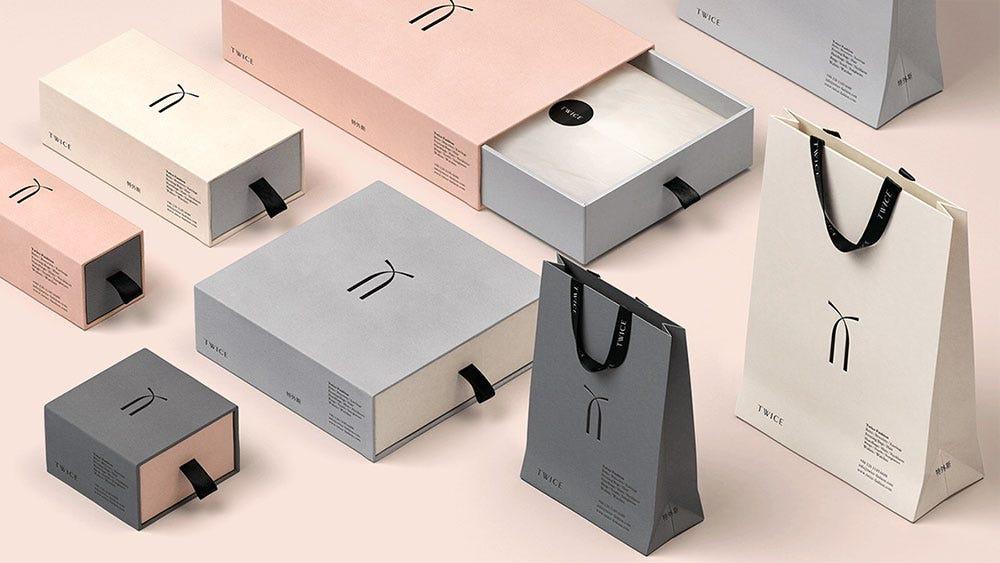
Small business owners wear a lot of hats. Sourcing, fulfillment, customer service, marketing and somewhere in that chaos, packaging decisions get made quickly, often under budget pressure, and almost always without enough information. I've consulted with dozens of small brands over the years, and the packaging conversation usually starts the same way: "We just need something cheap that looks decent."
That framing is where the trouble begins.
Why Small Businesses Overpay Without Realizing It
Here's something counterintuitive that took me a while to articulate clearly to clients: buying the cheapest box per unit doesn't mean you're spending less on packaging. When a small skincare brand orders 200 units of a generic white mailer and then spends hours hand-stamping logos, adding tissue paper to compensate for poor fit, and dealing with returns because the box is crushed in transit the real per-unit cost is nowhere near what they paid at checkout.
Best Custom boxes aren't a luxury reserved for enterprise brands. They're a functional tool, and for small businesses especially, they can eliminate a lot of the hidden labor and damage costs that eat into already thin margins.
The mistake I see repeatedly with small brands is treating packaging as a one-time decision. Box sizing alone deserves more attention than most give it. An oversized box filled with void fill adds dimensional weight charges in shipping. FedEx and UPS both use DIM weight pricing, and I've seen small businesses unknowingly paying 30 to 40 percent more on shipping costs simply because their box was two inches too wide.
Where to Actually Start
Before you talk to any supplier, document your product dimensions accurately, not the dimensions you think they are, but measured with calipers if needed. Then think about your shipping environment. Are these going direct to consumers through a parcel carrier? Sitting on a retail shelf? Being bundled as subscription boxes?
Each scenario has different structural demands. A direct-to-consumer candle brand needs a box that handles drops and compression. A retail product needs shelf-facing print quality and planogram-friendly dimensions. Getting custom boxes sized and specified correctly upfront saves money across every unit you ever ship.
For small businesses working with tighter budgets, E-flute corrugated is worth serious consideration. It's thinner than standard corrugated, prints well with digital methods, and provides enough rigidity for most lightweight consumer goods. It also folds flat efficiently, which matters when you're storing inventory in a spare room or small warehouse.
Navigating Minimum Order Quantities
This is the wall most small businesses hit first. Traditional offset-printed packaging often carries MOQs of 500 to 1,000 units minimum, sometimes higher. For a business moving 50 to 100 units a month, that's months of inventory tied up in boxes before you've validated whether the product even sells at scale.
Digital printing has genuinely changed this equation. Several domestic suppliers now offer custom boxes with runs as low as 25 to 50 units, with no plate or tooling fees. The per-unit cost is higher than offset, but the total cash outlay is manageable and the turnaround is often under two weeks. For early-stage brands, that flexibility is worth the premium.
My honest opinion: small businesses should run two or three small digital print orders while refining their packaging design before committing to a large offset run. The cost of changing a logo placement or box dimension after ordering 1,000 units is significantly more painful than paying slightly more per unit on a 100-piece test run.
Structural Choices That Protect Product and Budget
Inserts are one area where small businesses frequently cut corners and then pay for it in damage claims and negative reviews. A product rolling around inside a box during transit is a customer experience problem, not just a protection problem. Simple die-cut cardboard inserts not foam, not vacuum-formed trays can be produced affordably and keep products positioned correctly without adding significant cost.
For brands shipping anything fragile, I always recommend requesting a sample box and doing your own informal drop test before approving production. Drop it from counter height on each face and corner. It takes ten minutes and can save you from an entire run of inadequate packaging.
Custom boxes built with the right flute grade and properly sized inserts don't just protect products, they reduce the operational friction of packing orders, which matters enormously when you're a two-person team fulfilling 40 orders on a Saturday afternoon.
Conclusion
Small businesses don't need to spend like large brands to get custom boxes that are functional, branded, and structurally sound. What they need is better information before making sourcing decisions. Start with accurate product specs, choose a box size that genuinely fits your product and shipping method, use digital print runs to test before scaling, and don't skip protective inserts for anything fragile. Packaging done right at the small business level isn't about impressing customers with luxury finishes, it's about building a reliable, cost-efficient system that protects your product, reflects your brand, and doesn't quietly drain your margins every time an order goes out the door.

 English
 Arabic
 Spanish
 Portuguese
 Deutsch
 Turkish
 Dutch
Dutch
 Italiano
 Russian
 Romaian
 Portuguese (Brazil)
 Greek
Greek
