


Rhinoplasty in Islamabad: Everything About the First Consultation
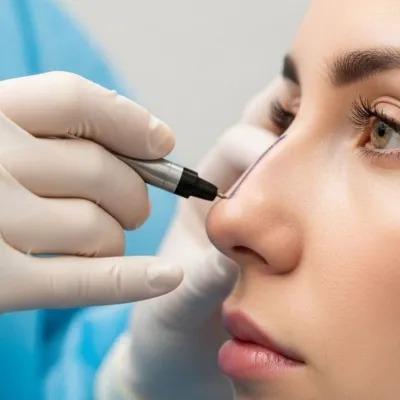
The first consultation for Rhinoplasty in Islamabad is one of the most important steps in the entire treatment journey. It sets the foundation for surgical planning, helps clarify expectations, and allows the surgeon to evaluate whether rhinoplasty is suitable for the patient. Many people underestimate this stage, but in reality, it plays a critical role in achieving safe, natural-looking, and satisfying results.
A successful rhinoplasty outcome depends not only on surgical skill but also on clear communication between the patient and the surgeon during the initial consultation. This is where goals are discussed, facial structure is analyzed, and a customized treatment plan begins to take shape.
Why the First Consultation Matters
The consultation is not just a formality. It is a detailed evaluation process that helps determine whether rhinoplasty is the right option.
During this stage, the surgeon aims to:
- Understand patient concerns and expectations
- Analyze nasal structure and facial balance
- Identify functional or breathing issues
- Assess skin type and healing potential
- Plan a personalized surgical approach
This step ensures that both patient and surgeon are aligned before moving forward.
What Happens During the First Consultation
The first consultation typically includes several important components designed to evaluate both cosmetic and functional aspects of the nose.
1. Discussion of Concerns and Goals
The consultation begins with a conversation about what the patient wants to improve.
Common concerns include:
- Nasal hump or bump
- Wide or drooping nasal tip
- Crooked or asymmetrical nose
- Breathing difficulties
- Overall facial imbalance
Patients are encouraged to clearly explain their expectations so the surgeon can understand their goals.
2. Medical History Review
A detailed medical history is essential for safe surgical planning.
The surgeon may ask about:
- Previous surgeries
- Chronic illnesses
- Allergies
- Current medications
- Smoking habits
This information helps identify any risks or precautions needed before surgery.
3. Physical Examination of the Nose
A thorough examination of the nose is conducted to assess structure and function.
The surgeon evaluates:
- Nasal bone alignment
- Cartilage strength
- Skin thickness
- Tip definition
- Nostril shape and symmetry
- Internal airway condition
This examination helps determine what can realistically be achieved through surgery.
4. Facial Analysis
Rhinoplasty is not just about the nose—it is about facial harmony. The surgeon evaluates how the nose fits with other facial features.
Key areas of analysis include:
- Chin projection
- Lip position
- Cheek structure
- Forehead balance
- Overall facial proportions
This ensures that changes to the nose enhance the entire face rather than create imbalance.
5. Breathing Assessment
Many patients are unaware that structural nasal issues may affect breathing.
During consultation, the surgeon checks for:
- Deviated septum
- Nasal valve collapse
- Obstructions in airflow
If functional problems exist, they can be addressed during rhinoplasty.
Digital Imaging and Simulation
In many modern clinics, digital imaging tools are used during consultation to provide a visual idea of possible outcomes.
These simulations help:
- Show potential nasal shape changes
- Align expectations realistically
- Improve communication between patient and surgeon
- Support surgical planning
However, it is important to understand that these images are not exact guarantees of final results but rather planning tools.
Setting Realistic Expectations
One of the most important outcomes of the first consultation is understanding what is realistically achievable.
The surgeon will explain:
- What changes are possible
- What limitations exist based on anatomy
- How healing affects final results
- What level of improvement can be expected
This helps prevent unrealistic expectations and improves long-term satisfaction.
Discussing Surgical Techniques
Depending on the patient’s needs, different rhinoplasty techniques may be discussed.
Common approaches include:
Open Rhinoplasty
Used for detailed structural work with full visibility of nasal anatomy.
Closed Rhinoplasty
Performed with internal incisions, resulting in no visible external scarring.
Structural Rhinoplasty
Focuses on strengthening nasal support for long-term stability.
Preservation Techniques
A modern approach that maintains natural structures while refining shape.
The surgeon selects the most appropriate technique based on individual requirements.
Understanding the Recovery Process
The consultation also provides an overview of the recovery journey.
Patients are informed about:
- Expected swelling and bruising
- Timeline for visible results
- Activity restrictions
- Follow-up appointments
- Healing stages over several months
Understanding recovery helps patients prepare mentally and physically for the process.
Important Questions to Ask During Consultation
Patients are encouraged to ask questions to better understand the procedure.
Useful questions include:
- Am I a good candidate for rhinoplasty?
- What results can I realistically expect?
- Which technique will be used in my case?
- How long will recovery take?
- What risks are involved?
- How many similar procedures have you performed?
Clear communication builds trust and confidence in the treatment plan.
Psychological Readiness
The first consultation also helps assess emotional readiness for surgery.
The surgeon may observe whether the patient:
- Has realistic expectations
- Is motivated for personal reasons
- Understands the limitations of surgery
- Is prepared for recovery time
Rhinoplasty is most successful when patients are emotionally and mentally prepared for the journey.
Importance of Honest Communication
Honesty during consultation is essential for safe and effective treatment planning.
Patients should openly discuss:
- Previous nasal injuries
- Cosmetic concerns
- Health conditions
- Lifestyle habits
Likewise, surgeons should clearly explain what can and cannot be achieved.
Decision-Making After Consultation
The first consultation does not require immediate decision-making. Patients are usually advised to take time to consider:
- Surgical plan details
- Expected outcomes
- Recovery requirements
- Personal readiness
This ensures a thoughtful and informed decision.
Role of Surgeon Expertise
The consultation also gives patients an opportunity to evaluate the surgeon’s experience and approach.
A qualified surgeon will:
- Provide clear explanations
- Set realistic expectations
- Demonstrate previous case experience
- Focus on both function and aesthetics
- Prioritize patient safety
Choosing the right surgeon is one of the most important steps in achieving successful rhinoplasty results.
Conclusion
The first consultation for Rhinoplasty in Islamabad is a crucial step that shapes the entire surgical journey. It provides an opportunity to discuss goals, evaluate nasal structure, understand limitations, and build a personalized treatment plan. From medical history review to facial analysis and expectation setting, every aspect of the consultation contributes to a safe and successful outcome. Patients who actively participate in this stage and maintain open communication with their surgeon are more likely to achieve natural-looking, balanced, and satisfying results. A well-conducted consultation lays the foundation for a smooth rhinoplasty experience and long-term confidence in the final outcome.
FAQs
Why is the first consultation important for rhinoplasty?
It helps evaluate suitability, set expectations, and create a personalized surgical plan.
What happens during a rhinoplasty consultation?
The surgeon reviews medical history, examines the nose, analyzes facial structure, and discusses goals.
Do I need to prepare for the consultation?
Yes, you should bring medical history details and be ready to discuss your concerns and expectations.
Can I see results before surgery?
Some clinics use digital imaging to simulate possible outcomes, but results are not guaranteed.
How long does a consultation take?
It usually takes between 30 minutes to one hour depending on complexity.
Will the surgeon explain risks during consultation?
Yes, all potential risks and recovery details are discussed in detail.
Can I choose the type of rhinoplasty?
The surgeon recommends the most suitable technique based on your anatomy and goals.
Should I decide on surgery during the first consultation?
No, patients are encouraged to take time before making a final decision.

 Arabic
 French
 Spanish
 Portuguese
 Deutsch
 Turkish
 Dutch
Dutch
 Italiano
 Russian
 Romaian
 Portuguese (Brazil)
 Greek
Greek
