


Is That Musty Smell Mold? Simple Ways Kaua‘i Residents Can Tell Before It Spreads
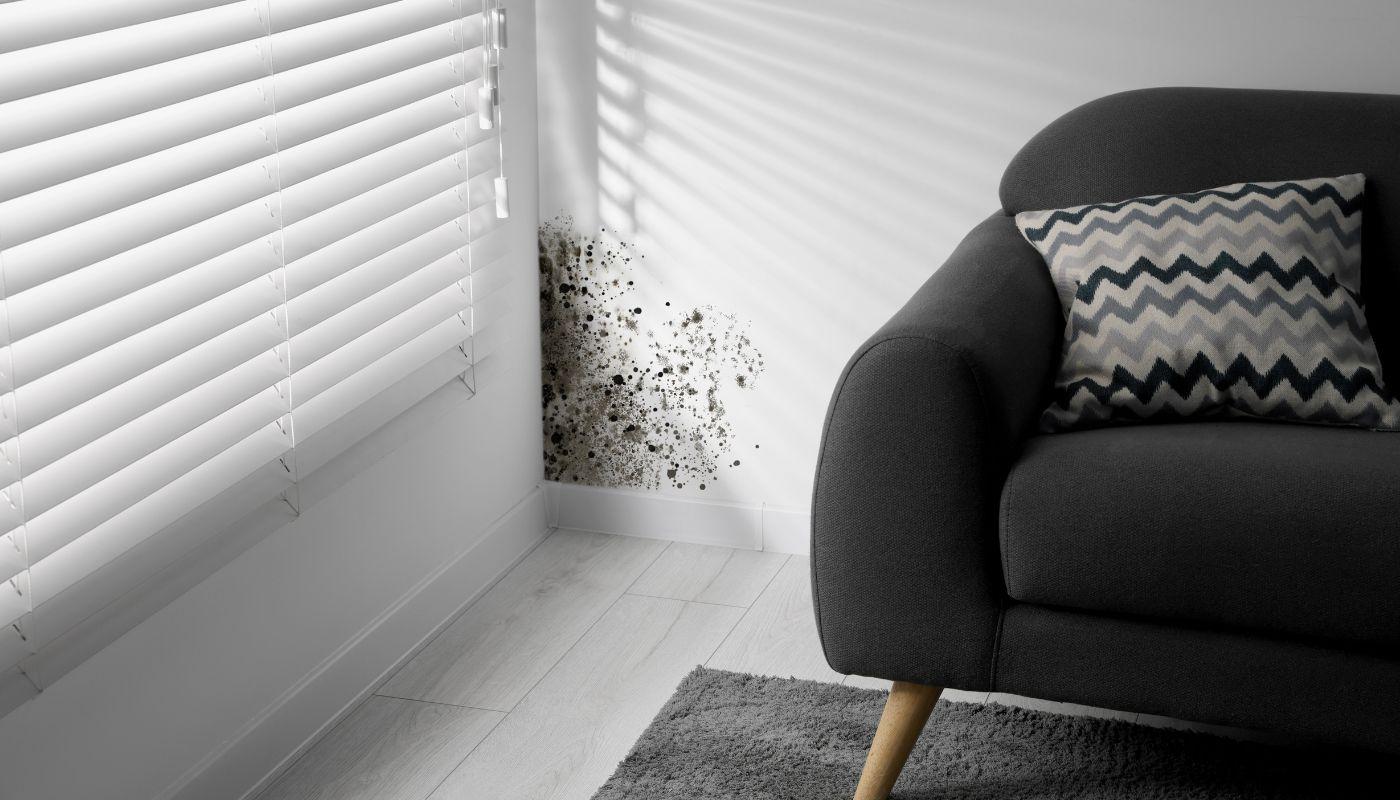
Living in Kaua‘i comes with many advantages, from breathtaking scenery to warm tropical weather year-round. However, the island’s high humidity, frequent rainfall, and coastal climate also create ideal conditions for mold growth inside homes and businesses. Many property owners first notice a persistent musty odor before they see any visible signs of a mold problem.
That distinctive smell is often more than just an inconvenience. It can be an early warning sign that moisture is trapped somewhere in the property, allowing mold colonies to grow out of sight. Identifying the cause early can help homeowners avoid costly repairs, indoor air quality concerns, and extensive restoration work later.
For Kaua‘i residents, understanding the connection between musty odors, hidden moisture, and potential mold growth is an important part of protecting both property and health. In many cases, addressing moisture issues promptly may also reduce the need for extensive Kauai HI Water Damage Repair services in the future.
Why Mold Produces a Musty Smell
Mold releases microscopic compounds known as microbial volatile organic compounds (MVOCs) as it grows and spreads. These compounds create the earthy, damp, and musty odor many people associate with mold-infested areas.
Unlike cooking smells or pet odors, mold odors tend to linger and often become stronger when:
- Windows remain closed for extended periods
- Humidity levels rise
- Air circulation is poor
- Rainy weather increases indoor moisture
A musty smell that repeatedly returns after cleaning or air freshening is often a sign that an underlying moisture issue remains unresolved.
Common Places Mold Hides in Kaua‘i Homes
One challenge with mold detection is that it often grows in areas that are difficult to inspect.
Behind Drywall
Leaks from roofs, plumbing systems, or windows can saturate wall cavities. Mold may develop behind drywall long before stains appear on visible surfaces.
Under Flooring
Wood flooring, laminate flooring, and carpeting can trap moisture underneath. Even after a floor appears dry, residual moisture may continue feeding mold growth.
Inside Air Conditioning Systems
Air conditioning units and ductwork can accumulate condensation. If not properly maintained, these areas can become breeding grounds for mold.
Attics and Crawl Spaces
Many homeowners rarely inspect these areas. Poor ventilation combined with humidity can create ideal mold conditions.
Cabinets and Storage Areas
Kitchen and bathroom cabinets often conceal small plumbing leaks. Over time, moisture buildup may support hidden mold colonies.
Signs the Musty Smell Could Be Mold
A musty odor alone does not automatically confirm mold. However, certain accompanying signs make mold much more likely.
Persistent Dampness
If rooms consistently feel damp despite normal weather conditions, excess moisture may be present.
Visible Discoloration
Mold can appear as:
- Black spots
- Green patches
- Gray streaks
- White fuzzy growth
It may develop on walls, ceilings, wood surfaces, or fabrics.
Recent Water Damage
Properties that have experienced flooding, roof leaks, burst pipes, or storm-related moisture intrusion face elevated mold risks.
In many situations, professional Kauai HI Water Damage Repair services become essential because moisture often remains trapped in building materials even after surfaces appear dry.
Peeling Paint or Wallpaper
Moisture trapped behind walls can cause paint to bubble, crack, or peel.
Increased Allergy Symptoms
Some occupants may notice:
- Sneezing
- Nasal congestion
- Itchy eyes
- Persistent coughing
- Respiratory irritation
While these symptoms do not confirm mold, they may coincide with indoor air quality concerns.
The Difference Between Mildew and Mold
Homeowners sometimes confuse mildew with mold.
Mildew
Mildew typically appears as a flat white, gray, or yellow surface growth. It commonly develops on shower walls, window frames, and damp fabrics.
Mildew is generally easier to remove when caught early.
Mold
Mold penetrates deeper into materials and can spread aggressively when moisture remains present. It often requires more extensive remediation, especially when hidden inside walls or structural components.
Knowing the difference helps determine whether a simple cleaning solution is sufficient or if professional intervention is necessary.
A Real-World Kaua‘i Example
Consider a homeowner in Līhu‘e who noticed a faint musty smell in a guest bedroom following several weeks of heavy rain. The room appeared clean, and no visible mold was present.
Over time, the odor intensified. Eventually, a small brown stain emerged near a window frame.
Further inspection revealed water intrusion from deteriorated exterior flashing. Moisture had entered the wall cavity, allowing mold growth behind the drywall.
Because the issue was discovered relatively early, repairs remained manageable. Had the homeowner ignored the smell for several more months, the damage could have spread throughout the wall system, resulting in significantly higher restoration costs.
Situations like this are common throughout Kaua‘i, where moisture intrusion often begins subtly before becoming a major problem.
How to Perform a Basic Home Mold Check
Homeowners can perform several preliminary inspections when a musty smell develops.
Check Around Windows and Doors
Look for:
- Water stains
- Soft drywall
- Peeling paint
- Condensation buildup
These areas are frequent moisture entry points.
Inspect Plumbing Fixtures
Examine:
- Sink cabinets
- Water heater areas
- Washing machine connections
- Toilet bases
Even minor leaks can support mold growth over time.
Examine Ceiling Areas
Roof leaks may not become visible immediately. Check ceilings for discoloration, sagging, or bubbling paint.
Look Behind Furniture
Furniture positioned against exterior walls may conceal mold development, particularly in humid rooms with limited airflow.
Monitor Humidity Levels
Indoor humidity ideally remains between 30% and 50%.
Using a digital hygrometer can help identify moisture conditions that encourage mold growth.
Why Kaua‘i Homes Face Higher Mold Risks
Several environmental factors contribute to elevated mold concerns on the island.
High Humidity
Warm air naturally contains more moisture. Kaua‘i's tropical climate often keeps humidity levels elevated throughout the year.
Frequent Rainfall
Regular rain events can expose roofs, windows, and building exteriors to continual moisture.
Salt Air Exposure
Coastal environments can accelerate wear on building materials, increasing vulnerability to leaks.
Storm Activity
Heavy storms sometimes introduce water into homes through damaged roofs, windows, or foundations.
When storm-related moisture enters a property, immediate drying is critical to reduce the likelihood of mold development and the need for extensive restoration.
What To Do If You Suspect Mold
If a musty odor persists and signs of moisture are present, taking action quickly is important.
Identify the Moisture Source
Mold cannot survive without moisture. Finding and correcting the underlying water problem should be the first priority.
Improve Ventilation
Increase airflow by:
- Running exhaust fans
- Opening windows when conditions permit
- Using dehumidifiers
- Maintaining HVAC systems
Remove Water-Damaged Materials
Materials that remain saturated for extended periods may need replacement.
Avoid Disturbing Large Mold Areas
Attempting to scrub extensive mold growth can release spores into the air, potentially spreading contamination.
Seek Professional Assessment
Experienced professionals can identify hidden moisture, evaluate damage severity, and recommend appropriate remediation strategies.
Preventing Mold Before It Starts
Prevention remains the most cost-effective approach.
Maintain Roofing Systems
Regular inspections can identify small issues before leaks develop.
Address Leaks Immediately
Even minor plumbing or roof leaks deserve prompt attention.
Use Dehumidification When Necessary
Dehumidifiers can help maintain healthy indoor moisture levels during humid periods.
Ensure Proper Drainage
Direct rainwater away from foundations through properly functioning gutters and downspouts.
Schedule Periodic Property Inspections
Routine evaluations can identify developing moisture issues before they become major restoration projects.
The Connection Between Water Damage and Mold Growth
Mold and water damage are closely linked. In many cases, mold growth is simply the visible result of an unresolved moisture problem.
When water intrusion occurs, rapid drying and restoration can significantly reduce the risk of contamination. Professional Kauai HI Water Damage Repair services often focus not only on repairing visible damage but also on detecting hidden moisture that may otherwise support mold growth later.
This proactive approach helps protect structural materials, indoor air quality, and long-term property value.
Why Kaua‘i Homeowners Trust Eco Kauai Services
When moisture issues arise, working with a reliable and well-experienced restoration company can make a significant difference. Eco Kauai Services provides trusted solutions designed for the unique environmental conditions found throughout Kaua‘i.
Their team understands the challenges posed by tropical humidity, heavy rainfall, and hidden moisture intrusion. Using industry-leading techniques and innovative restoration practices, they help homeowners identify problems early and implement effective solutions before minor issues become costly repairs.
Whether addressing moisture concerns, mold risks, or restoration needs, Eco Kauai Services remains committed to delivering high-performance, results-driven support for local property owners.
Final Thoughts
A musty smell should never be ignored, especially in Kaua‘i's humid environment. While the odor may seem minor at first, it often serves as an early warning sign of hidden moisture and potential mold growth.
By recognizing common warning signs, conducting regular inspections, and addressing water intrusion quickly, homeowners can prevent small issues from becoming significant restoration challenges. Early action not only protects indoor air quality but can also reduce the likelihood of extensive Kauai HI Water Damage Repair needs later.
When concerns arise, partnering with a trusted local expert like Eco Kauai Services can provide peace of mind and help keep homes safe, healthy, and protected year-round.

 English
 French
 Spanish
 Portuguese
 Deutsch
 Turkish
 Dutch
Dutch
 Italiano
 Russian
 Romaian
 Portuguese (Brazil)
 Greek
Greek
