


How to Brew Better Coffee With the Best Arabica Coffee Beans
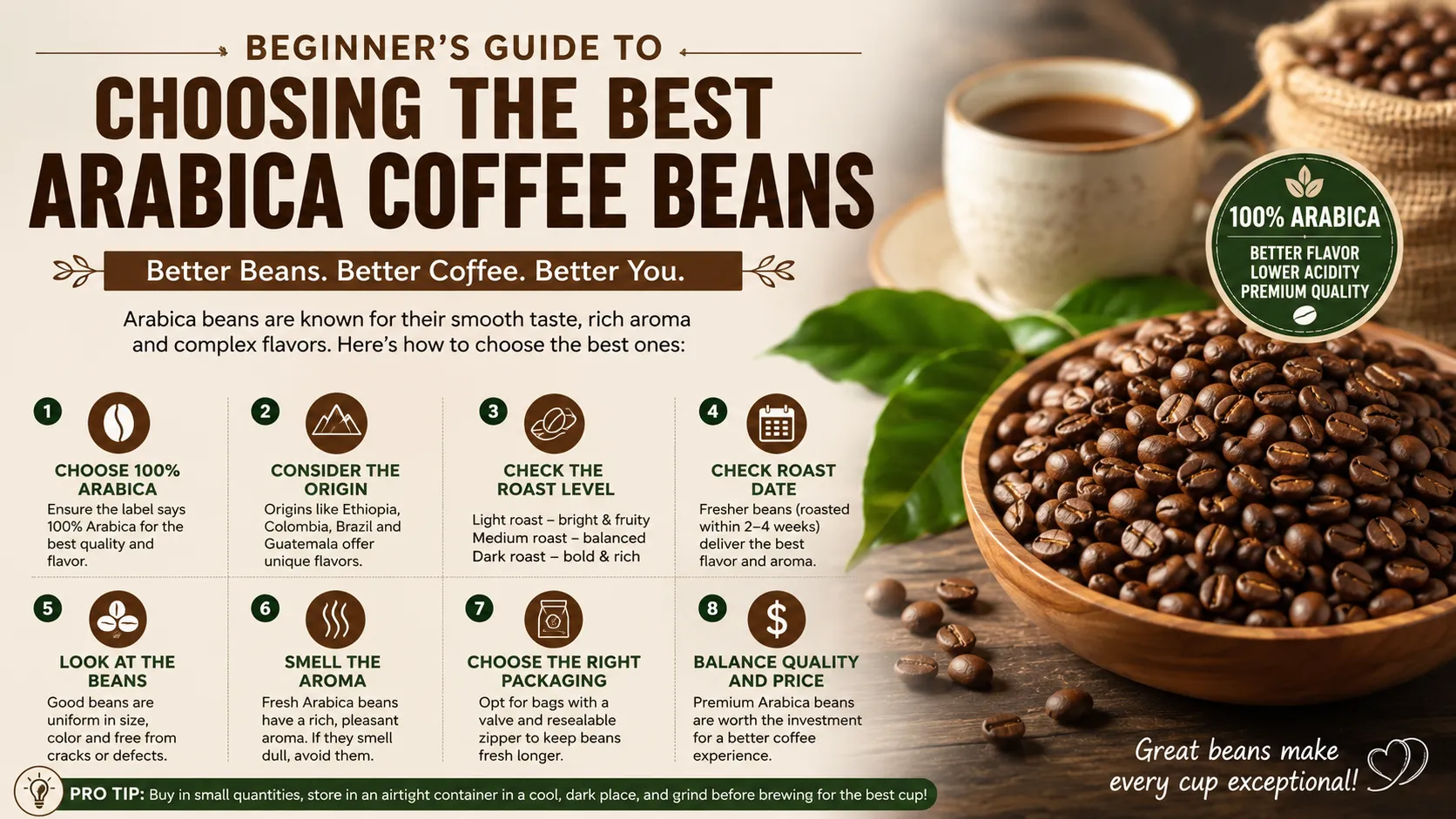
Many people invest in premium coffee beans but still struggle to create café-quality coffee at home. Brewing excellent coffee requires more than expensive equipment or trendy coffee gadgets. The quality of the bean, brewing technique, and freshness all work together to shape the final cup.
Arabica coffee has become the preferred choice among specialty coffee enthusiasts because it produces smoother flavor and more enjoyable aroma. When brewed correctly, the best arabica coffee beans can transform an ordinary morning routine into a richer and more satisfying experience.
Why Brewing Technique Matters
Coffee brewing is essentially a process of extraction. Hot water pulls oils, sugars, acids, and aromatic compounds from the coffee grounds. If extraction happens too quickly, the coffee may taste sour or weak. If extraction continues too long, bitterness becomes more noticeable.
Arabica coffee responds especially well to balanced brewing because its flavor profile contains delicate and complex characteristics. Understanding the basics of extraction helps home brewers create more consistent and flavorful coffee.
Start With Fresh Coffee Beans
Freshness plays a major role in coffee quality. Coffee gradually loses flavor after roasting because exposure to oxygen breaks down aromatic compounds. Specialty coffee experts recommend purchasing smaller quantities of freshly roasted arabica coffee rather than large bulk bags.
Whole beans preserve freshness far better than pre-ground coffee. Grinding coffee immediately before brewing creates stronger aroma and cleaner flavor. Consumers searching for the best coffee guide often discover that freshness matters more than expensive brewing equipment.
The Importance of Grind Size
Different brewing methods require different grind sizes. French press coffee works best with coarse grounds because the coffee remains in contact with water for a longer period. Pour-over brewing usually requires medium-fine grinding for controlled extraction.
Espresso brewing demands extremely fine grounds because extraction occurs very quickly under pressure. Using incorrect grind size can easily ruin even high-quality arabica beans. Inconsistent grinding may create uneven extraction, leading to both bitterness and weak flavor in the same cup.
Water Quality Affects Flavor
Coffee is mostly water, so poor water quality negatively impacts brewing. Filtered water helps remove minerals and impurities that interfere with flavor clarity. Water temperature also matters. Brewing with boiling water may over-extract delicate flavor compounds and increase bitterness.
Most coffee professionals recommend water temperatures slightly below boiling for balanced extraction. Small brewing adjustments often create surprisingly noticeable improvements.
Understanding Coffee-to-Water Ratios
Many people use too little coffee during brewing. Weak brewing ratios reduce body and flavor intensity. Using accurate measurements creates better consistency from cup to cup. Digital coffee scales have become popular because they help home brewers maintain precise brewing ratios. Proper balance allows arabica coffee to express sweetness, acidity, and aroma more effectively.
Why Pour-Over Brewing Is Popular
Pour-over coffee has become highly popular among specialty coffee enthusiasts. This brewing style gives users more control over water flow and extraction timing. Arabica coffee often performs exceptionally well in pour-over brewing because the method highlights subtle flavor notes.
Floral, citrus, and fruit-forward coffees become easier to recognize with careful pour-over preparation. Although pour-over brewing requires patience, many coffee drinkers appreciate the cleaner and more transparent flavor profile it creates.
French Press Creates Richer Texture
French press brewing produces fuller body because coffee oils remain in the final cup. Medium and dark roast arabica beans usually work particularly well with this method. French press coffee often tastes heavier and more textured compared to filtered brewing styles.
Many people prefer French press coffee for colder seasons because of its richer mouthfeel. Grinding consistency remains especially important for this brewing method.
Cold Brew Continues to Grow in Popularity
Cold brew coffee has become increasingly common across the United States. This method uses long extraction times with cold water to create smooth and naturally sweet coffee. Arabica beans are ideal for cold brew because they provide balanced flavor without excessive bitterness.
Cold brew also appeals to consumers who prefer lower-acidity coffee. Many coffee enthusiasts prepare large cold brew batches at home for convenience.
Common Brewing Mistakes to Avoid
One common mistake involves reusing old coffee grounds or stale beans. Another issue occurs when brewing equipment is not cleaned regularly. Residual oils from old coffee can negatively affect flavor.
Overfilling coffee filters or using incorrect brew times also creates inconsistent extraction. Consumers sometimes blame coffee beans for poor flavor when the real issue involves brewing technique. Even simple brewing adjustments can dramatically improve results.
Finding the Right Coffee for Your Routine
Different coffees suit different lifestyles and taste preferences. People who enjoy milk-based drinks often prefer chocolatey medium-dark arabica blends. Consumers interested in black coffee may appreciate lighter roast single-origin beans with brighter acidity.
Experimenting with roast levels and brewing styles helps coffee drinkers discover their ideal combination. The best arabica coffee beans are ultimately the ones that consistently create enjoyable daily coffee experiences.
Conclusion
Brewing excellent coffee at home becomes much easier when consumers understand freshness, grind size, water quality, and extraction balance. Arabica coffee continues leading the specialty coffee industry because it offers smooth flavor and remarkable versatility across brewing methods.
Whether using a French press, pour-over setup, espresso machine, or cold brew system, quality arabica beans can produce exceptional coffee with the right preparation techniques. By focusing on simple brewing fundamentals, coffee lovers can dramatically improve the quality of every cup.

 English
 Arabic
 French
 Spanish
 Portuguese
 Deutsch
 Turkish
 Italiano
 Russian
 Romaian
 Portuguese (Brazil)
 Greek
Greek
