


Sewer Liner Installation: A Modern Solution for Damaged Sewer Pipes
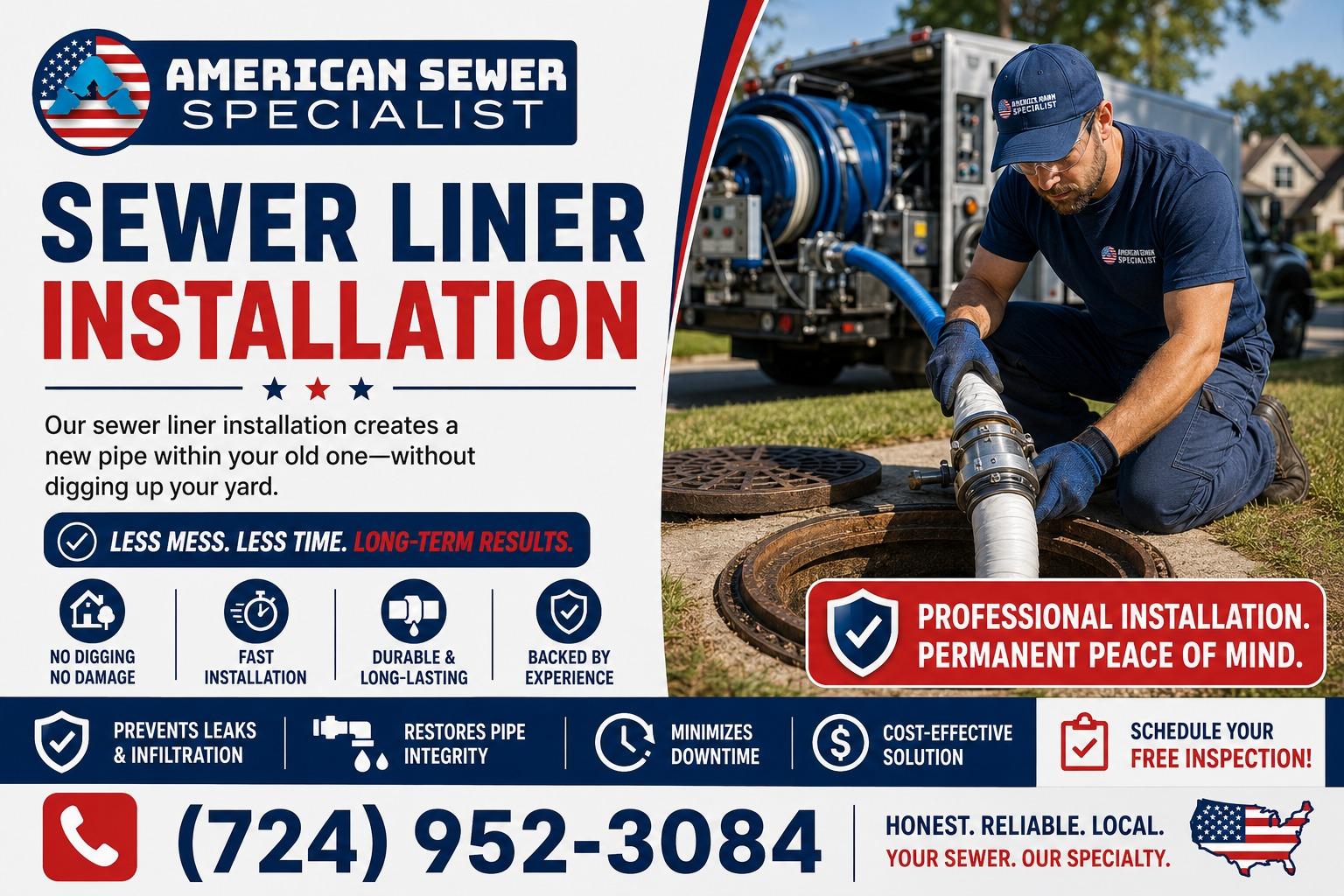
Sewer problems can be a major inconvenience for homeowners and businesses alike. Traditional sewer pipe repair often requires extensive excavation, leading to property damage, high costs, and lengthy repair times. Fortunately, sewer liner installation offers a modern, trenchless solution that restores damaged pipes without the need for digging up landscapes, driveways, or sidewalks.
This innovative technology has become increasingly popular due to its efficiency, durability, and cost-effectiveness. In this article, we'll explore what sewer liner installation is, how it works, its benefits, and why it may be the best option for your sewer repair needs.
What Is Sewer Liner Installation?
Sewer liner installation is a trenchless pipe rehabilitation method used to repair damaged, cracked, leaking, or deteriorating sewer lines. Instead of replacing the entire pipe, a flexible liner coated with specialized epoxy resin is inserted into the existing pipe. Once in place, the liner hardens and creates a new pipe within the old one.
This process is commonly referred to as Cured-In-Place Pipe (CIPP) lining and is widely used in residential, commercial, and municipal sewer systems.
Signs You May Need Sewer Liner Installation
Several warning signs indicate your sewer line may require repair:
-
Frequent drain backups
-
Slow-draining sinks and tubs
-
Unpleasant sewage odors
-
Wet spots in your yard
-
Foundation cracks caused by leaks
-
Increased water bills
-
Tree root intrusion
-
Recurring plumbing issues
If you notice any of these problems, a professional sewer inspection can determine whether sewer liner installation is the right solution.
How Sewer Liner Installation Works
1. Video Camera Inspection
The process begins with a detailed camera inspection of the sewer line. Technicians insert a specialized camera into the pipe to identify cracks, blockages, root intrusion, and other damage.
2. Pipe Cleaning
Before installing the liner, the pipe must be thoroughly cleaned. High-pressure hydro jetting removes debris, grease buildup, and tree roots that may interfere with the installation.
3. Measuring and Preparing the Liner
The damaged pipe is measured to ensure the liner fits properly. A flexible felt or fiberglass liner is saturated with epoxy resin before installation.
4. Liner Insertion
The resin-coated liner is inserted into the existing pipe using air pressure or water pressure. The liner expands and adheres tightly to the pipe walls.
5. Curing Process
Once positioned correctly, the liner is cured using hot water, steam, or ultraviolet light. The curing process hardens the resin, creating a durable new pipe inside the original one.
6. Final Inspection
After curing, another camera inspection is performed to verify that the liner has been installed correctly and that the sewer system is functioning properly.
Benefits of Sewer Liner Installation
Minimal Excavation
One of the biggest advantages of sewer liner installation is that it eliminates the need for extensive digging. Landscapes, driveways, patios, and sidewalks remain intact.
Cost-Effective Solution
Because excavation costs are significantly reduced, sewer liner installation is often more affordable than traditional sewer line replacement.
Faster Completion
Most sewer liner projects can be completed within one day, minimizing disruption to your home or business.
Long-Lasting Durability
Modern epoxy liners are highly durable and resistant to corrosion, root intrusion, and chemical damage. Many installations are expected to last 50 years or more.
Improved Pipe Flow
The smooth interior surface of the new liner reduces friction and improves wastewater flow throughout the system.
Environmentally Friendly
Trenchless technology reduces soil disturbance and minimizes environmental impact compared to traditional excavation methods.
When Sewer Liner Installation Is Recommended
Sewer liner installation works well for:
-
Cracked sewer pipes
-
Minor pipe collapses
-
Leaking joints
-
Corroded cast iron pipes
-
Root intrusion damage
-
Aging sewer systems
However, if a pipe is severely collapsed or completely deteriorated, traditional replacement may still be necessary.
Sewer Liner Installation vs. Traditional Pipe Replacement
| Feature | Sewer Liner Installation | Traditional Replacement |
|---|---|---|
| Digging Required | Minimal | Extensive |
| Project Duration | 1-2 Days | Several Days |
| Property Damage | Very Low | High |
| Cost | Lower Overall | Higher Overall |
| Lifespan | 50+ Years | 50+ Years |
| Environmental Impact | Minimal | Significant |
Choosing a Professional Sewer Liner Installation Company
When selecting a contractor, consider:
-
Experience with trenchless sewer repair
-
Licensed and insured technicians
-
Positive customer reviews
-
Advanced inspection equipment
-
Warranty on workmanship
-
Transparent pricing
A qualified professional can assess your sewer system and recommend the most effective repair solution.
Conclusion
Sewer liner installation has revolutionized the way damaged sewer pipes are repaired. By creating a durable new pipe inside the existing one, this trenchless technology provides a fast, cost-effective, and long-lasting solution without the mess of traditional excavation. Whether you're dealing with cracks, leaks, root intrusion, or aging pipes, sewer liner installation can restore your sewer system while protecting your property and saving you money in the long run.
If you're experiencing sewer line issues, contact a trusted trenchless sewer repair specialist to determine whether sewer liner installation is the right solution for your home or business.

 English
 Arabic
 French
 Spanish
 Portuguese
 Deutsch
 Turkish
 Dutch
Dutch
 Italiano
 Romaian
 Portuguese (Brazil)
 Greek
Greek
