


Why Yoga for Mind-Body Harmony improves with breathwork
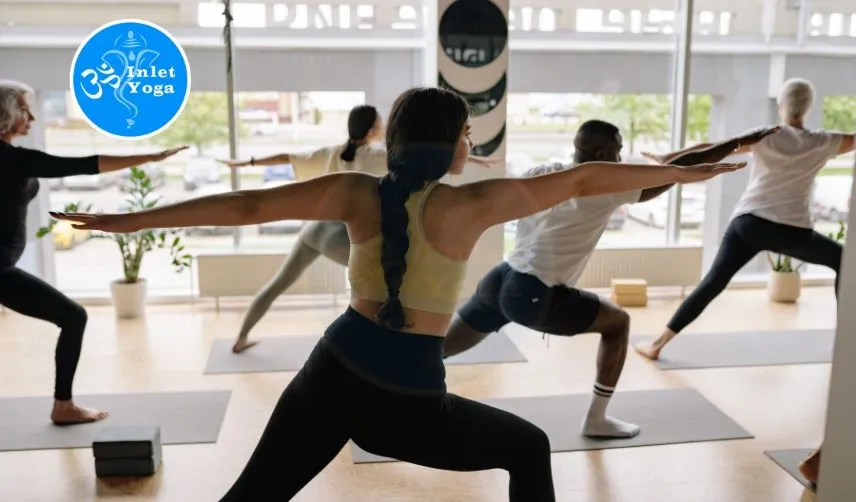
Discover how breathwork enhances Yoga for Mind-Body Harmony by improving focus, reducing stress, and supporting emotional balance through breath control in yoga
How Breathwork Supports Yoga for Mind-Body Harmony
Controlled breathing plays a key role in enhancing Yoga for Mind-Body Harmony by improving focus, reducing the body's stress response, and supporting emotional balance. Implementing deliberate breath control in yoga strengthens the link between movement, awareness, and nervous system regulation for deeper, more transformative results.
Introduction
Breath is often the most overlooked element in yoga, yet it is the foundation that connects body and mind. When used correctly, it becomes a powerful tool for stability, awareness, and emotional regulation. This is where true Yoga for Mind-Body Harmony begins, when movement and respiration operate as a single, unified system rather than as separate actions.
In this blog, we explore how breathwork transforms yoga from a physical routine into a deeper internal experience that supports mental clarity and overall well-being.
Understanding the Role of Breath in Yoga Practice
Breath is not just a background function; it is the guiding force behind every posture, transition, and pause. In modern fitness culture, yoga is often reduced to flexibility or movement training. However, without conscious breathing, it loses its depth and becomes a purely physical exercise.
When breath aligns with movement, the body naturally shifts into equilibrium. In yogic philosophy, breath represents prana, or life force energy. Synchronizing this flow allows practitioners to experience Yoga for Mind-Body Harmony in its true form, where awareness and physical action merge seamlessly.
What is Breath Control in Yoga?
Breath control in yoga, traditionally known as pranayama, refers to the conscious regulation of inhalation, exhalation, and breath retention. Instead of relying on automatic breathing, practitioners intentionally guide their respiratory patterns to influence their physical and mental states.
Key Benefits
-
Reducing stress response by calming the nervous system.
-
Increasing oxygen flow to the brain for better mental clarity.
-
Improving concentration and presence during yoga poses.
-
Supporting emotional regulation during times of anxiety.
This makes breathwork an essential pillar of your practice, rather than an optional add-on technique.
How Breathwork Strengthens the Mind-Body Connection
Conscious breathing shifts our internal awareness from reaction to observation. Most individuals breathe shallowly due to daily stress, keeping the body in a constant state of low-level alert. Dedicated breathwork effectively interrupts this cycle by offering several key benefits:
-
Reduces Mental Overload: Focusing on the breath creates a single point of attention, quieting an overactive mind.
-
Improves Body Awareness: It helps practitioners identify and consciously release physical tension during deep stretches.
-
Creates Rhythm: Synchronizing transitions with inhalation and exhalation makes the practice much smoother.
-
Supports Emotional Release: Deep exhalations trigger the release of physically stored tension and trauma.
Because of these deep benefits, advanced practices view breath control in yoga as the ultimate gateway to inner transformation.
A Scientific Perspective on Nervous System Balance
Modern science beautifully supports what traditional yogis have practiced for centuries. Controlled breathing directly influences the autonomic nervous system, which governs our stress and relaxation responses.
Slow, deliberate breathing activates the parasympathetic nervous system (the "rest and digest" mode), which lowers heart rate and promotes a sense of calm. Conversely, rapid, shallow breathing triggers the sympathetic nervous system (the "fight or flight" response).
This is precisely why cultivating Yoga for Mind-Body Harmony is so effective for stress management; by slowing your respiratory rhythm on the mat, you train your body to default to a restorative state off the mat.
Practical Breathwork Techniques to Try
To experience the full benefits of breath control in yoga, consider integrating these foundational techniques into your next session:
-
Diaphragmatic Breathing: Deep belly breathing that maximizes oxygen intake and triggers instant relaxation.
-
Ujjayi Breath (Ocean Breath): A slight constriction of the throat that creates internal heat and deepens mental focus during movement.
-
Box Breathing: A structured four-part pattern (inhale, hold, exhale, hold) used by high-performers to reset the nervous system.
-
Nasal Slow Breathing: An easy method that encourages calm awareness by naturally slowing down the breath cycle.
Beyond Physical Exercise
Without breath awareness, yoga remains purely physical gymnastics. With it, the practice evolves into complete mind-body integration.
This vital shift allows for a slower, more intentional mental state, movement guided by awareness instead of brute effort, and a continuous state of mindful presence. This is the core distinction between standard fitness and authentic Yoga for Mind-Body Harmony.
Final Thought
Breath is not an accessory to your practice; it is the anchor. Once mindful breath control in yoga becomes second nature, your practice will naturally elevate, supporting emotional stability, mental clarity, and physical balance in your everyday life.
Author Bio
Written by a wellness and yoga specialist with a background in nervous system regulation and holistic health. Dedicated to translating ancient practices into modern, accessible habits, the author focuses on teaching Yoga for Mind-Body Harmony through effective breath control in yoga to help practitioners cultivate sustainable mental clarity and emotional balance.
Frequently Asked Questions
1. How does breathwork improve Yoga for Mind-Body Harmony?
Breathwork regulates the nervous system, clears mental fog, and supports emotional balance. By aligning your breathing with movement, you make your practice more internal, mindful, and restorative.
2. What is the main purpose of breath control in yoga?
Known traditionally as pranayama, breath control in yoga intentionally alters inhalation and exhalation patterns to calm the mind, reduce stress, and deeply connect the physical body to mental awareness.
3. Can beginners practice these techniques?
Absolutely. Beginners should start with foundational techniques like basic diaphragmatic breathing or slow nasal breathing before moving on to advanced pranayama.
4. How often should I focus on breath control during yoga?
Ideally, throughout your entire practice. Even dedicating just five minutes at the beginning or end of your session to conscious breathing will drastically improve your consistency and results.
5. What is the best breathing technique for immediate stress relief?
Diaphragmatic (belly) breathing and box breathing are incredibly effective. Both techniques quickly activate the parasympathetic nervous system to provide immediate relief from anxiety.

 English
 Arabic
 French
 Spanish
 Portuguese
 Deutsch
 Turkish
 Dutch
Dutch
 Russian
 Romaian
 Portuguese (Brazil)
 Greek
Greek
