


Low Cost Postcard Printing vs Premium Print: The Real Difference Explained
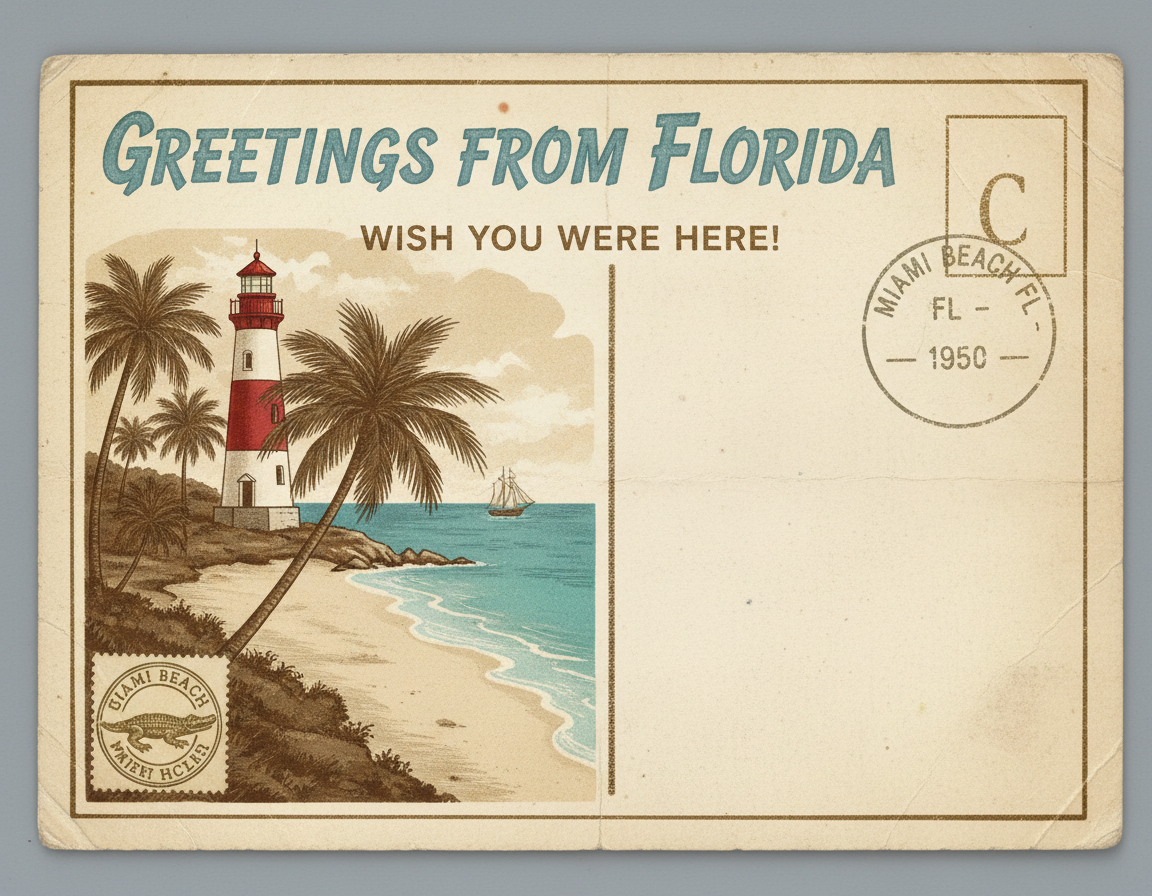
If you place a low cost postcard next to a premium one straight out of the box, the difference isn’t always obvious.
Both carry the same design. Same colours. Same message.
At a glance, they can feel almost identical.
That’s exactly why many businesses assume the cheaper option is “good enough.”
But postcard printing isn’t judged at first glance.
It’s judged after handling, after movement, after time — when the postcard has actually done what it was meant to do.
That’s when the gap begins to show.
The difference starts with how the postcard behaves, not how it looks
Low cost and premium print aren’t really separated by appearance.
They’re separated by behaviour.
How the custom postcard reacts when it’s picked up. When it’s bent slightly. When it sits on a desk for a few days. When it’s handled more than once.
A low cost postcard tends to:
-
flex more easily
-
lose its flatness faster
-
show wear sooner
-
feel lighter in the hand
A premium postcard tends to:
-
hold its shape
-
resist repeated handling
-
maintain surface quality longer
-
feel more deliberate
None of this is dramatic in isolation.
But behaviour compounds over time.
And in print, time is where performance is decided.
Material is the quiet dividing line
Most of the real difference sits in the material, even when it’s not obvious visually.
Low cost printing usually trims expense through:
-
lighter stock
-
more standardised paper sourcing
-
simplified coating processes
-
faster production throughput
Premium printing leans the other way:
-
more controlled stock selection
-
tighter consistency across batches
-
finishes that are chosen, not defaulted
-
slower, more controlled production
You won’t always see this immediately.
But you will feel it.
And more importantly, your audience will react to it — even if they can’t explain why.
Why perception shifts without people realising it
People don’t analyse print quality logically.
They respond to it instinctively.
A postcard that feels thin or slightly unstable tends to be processed as low priority. Not consciously — just automatically.
A postcard that feels solid and intentional tends to be given a bit more attention, even if only for a few extra seconds.
Those extra seconds matter.
Because attention is not all-or-nothing. It builds in small increments.
And premium print quietly buys more of those increments.
A simple comparison of how both types perform over time
|
Aspect |
Low Cost Printing |
Premium Printing |
|
First impression |
Acceptable |
Stronger, more deliberate |
|
Handling response |
Slight flex, lighter feel |
Firm, stable feel |
|
Surface wear |
Appears earlier |
Resists wear longer |
|
Attention lifespan |
Shorter |
Extended |
|
Revisit likelihood |
Low |
Higher |
The key difference isn’t at the start.
It’s what happens after the first interaction.
Durability isn’t about strength — it’s about staying visible
It’s easy to think of durability as just physical strength.
But in postcard printing, durability really means how long the postcard stays “usable” as a piece of communication.
Low cost postcards often start to lose their presence quickly:
-
edges soften
-
surfaces pick up marks
-
slight bends become permanent
-
overall appearance fades faster
Premium postcards don’t stay perfect forever either.
But they hold their condition long enough to be seen again… and sometimes again after that.
That repeated visibility is where real engagement builds.
Print clarity: small differences that add up
Another place where the gap shows up is in print clarity.
Low cost printing can introduce:
-
slightly softer image edges
-
less consistent colour depth
-
minor variations across batches
-
reduced contrast in certain lighting
Premium printing tends to hold:
-
sharper detail
-
more consistent colour reproduction
-
better balance across the entire run
-
clearer readability under different conditions
Again, none of this jumps out immediately.
But over time, clarity influences how seriously the message is taken.
The real divide: disposable vs intentional
This is probably the most important difference, and it’s not technical.
It’s psychological.
Low cost postcards often feel disposable.
Not because they are bad — but because nothing about them signals that they’re meant to last.
Premium postcards feel intentional.
They carry a sense that someone chose how this should look and feel, rather than just producing it quickly.
That shift affects behaviour in subtle ways:
-
how long the postcard is kept
-
whether it’s moved or thrown away
-
whether it’s looked at again
-
whether it feels worth acting on
And those behaviours directly influence results.
Where low cost printing actually works well
It’s not a question of one being right and the other wrong.
Low cost postcard printing has its place.
It works when:
-
campaigns are short-lived
-
volume matters more than retention
-
the message is time-sensitive
-
repeat distribution is planned
-
brand perception is already established
In these cases, speed and reach are more important than longevity.
And low cost printing supports that efficiently.
Where premium print justifies itself
Premium printing becomes valuable when the postcard needs to do more than just appear once.
It matters when:
-
trust needs to be built
-
brand positioning is important
-
the message isn’t acted on immediately
-
repeated exposure is expected
-
the postcard is likely to stay in someone’s environment
Here, durability and perception are not extras.
They’re part of the marketing itself.
The mistake most businesses make
The common mistake isn’t choosing low cost or premium.
It’s expecting both to perform the same way.
A low cost postcard is often expected to deliver long-term engagement.
A premium postcard is sometimes used where short-term visibility would have been enough.
In both cases, the issue isn’t quality — it’s mismatch.
Final thought: the difference only becomes clear in the real world
On a screen, the difference between low cost and premium postcard printing can feel small.
In real environments, it isn’t.
Because once the postcard leaves production, it’s no longer judged by specifications.
It’s judged by how it feels, how it holds up, and whether it stays in front of someone long enough to matter.
That’s where the real difference lives.
At I YOU PRINT, this is usually treated as a behavioural choice rather than a price comparison — because in the end, the value of a postcard is not what it cost to print, but how long it continues to do its job after it’s been delivered.

 English
 Arabic
 French
 Spanish
 Portuguese
 Deutsch
 Turkish
 Italiano
 Russian
 Romaian
 Portuguese (Brazil)
 Greek
Greek
