


Preserving Old Memories: A Complete Guide to Scanning Film Negatives in 2026
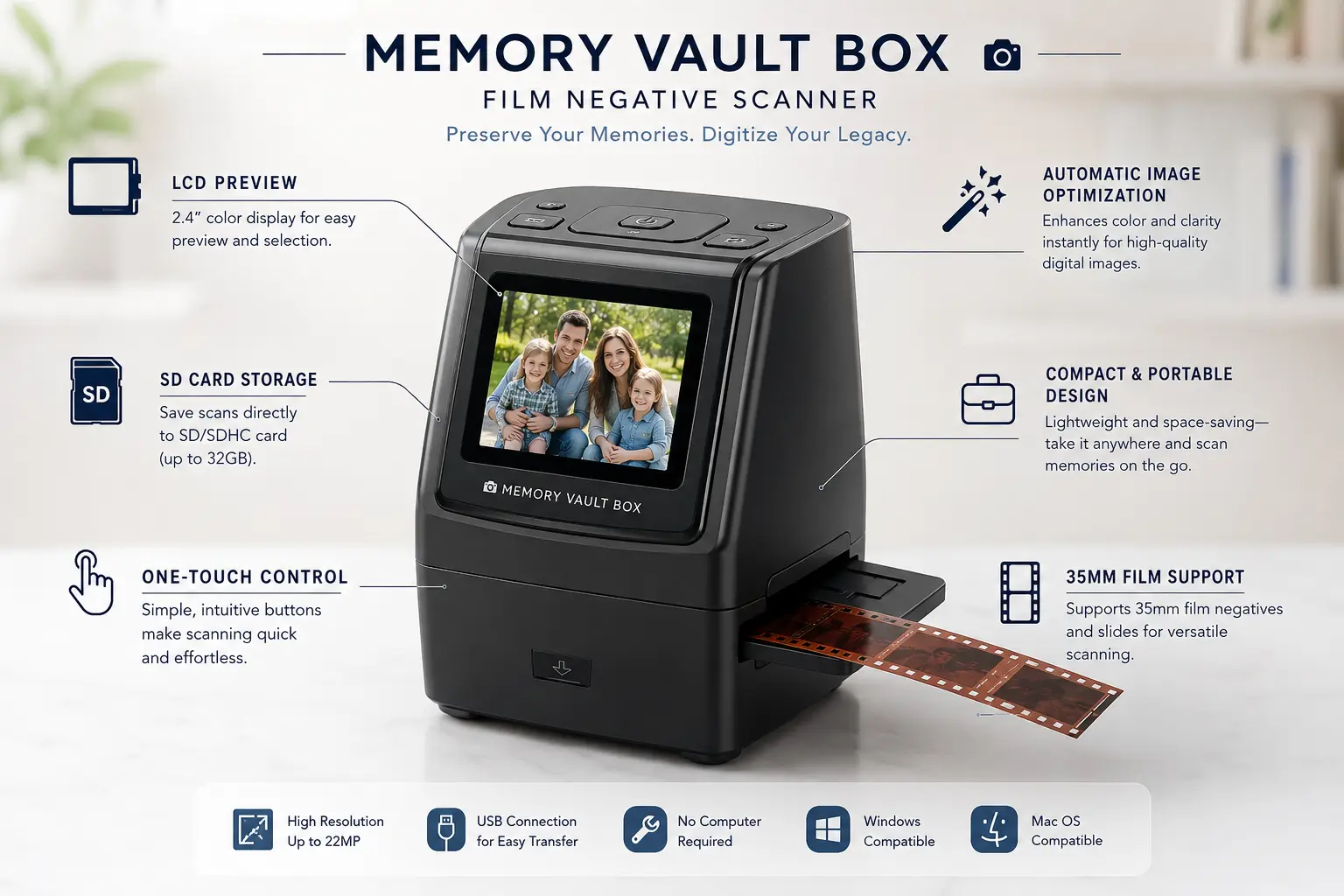
Family photographs hold some of life’s most meaningful memories, but many older photos still exist only as fragile negatives stored away in boxes, albums, or drawers. Over time, these negatives can fade, collect dust, or become damaged if they are not properly preserved. That is why more people today are learning how to digitize their collections before those memories are lost forever.
Understanding what are negatives in film is the first step toward preserving old photographs successfully. Film negatives are strips of transparent film where the colors and brightness of an image appear reversed. Before digital photography became popular, negatives were used to create printed photographs in darkrooms or photo labs. Today, they remain an important source for restoring and preserving older family pictures.
Why Film Negatives Still Matter
Even though modern photography is mostly digital, millions of families still own old film negatives containing valuable memories from weddings, vacations, birthdays, and childhood moments. In many cases, negatives actually preserve more image detail than printed photographs, making them extremely useful for restoration and high-quality digital conversion.
Old printed photos often fade or become damaged over time, but properly stored film negatives can sometimes produce clearer digital images than the original prints themselves. This is one reason why many people are now revisiting forgotten photo collections and learning how to preserve them digitally.
Whether you have black-and-white rolls, color negatives, or vintage slides, digitizing your archive can help protect those memories for future generations.
Understanding the Basics of Scanning Negatives
Before starting the digitization process, it is important to understand how negative scanning works. Unlike regular document scanning, film scanning requires specialized settings or equipment that can properly capture transparent film and convert it into a positive image.
Many people searching for how to scan negatives are surprised to learn that standard flatbed scanners may not always provide professional-quality results unless they include dedicated film scanning support. Specialized scanners use backlighting and higher optical resolution to capture finer image details from negatives.
The scanning process usually involves cleaning the film carefully, placing the negative correctly into the scanner holder, adjusting resolution settings, and using software to reverse the image colors into a standard photograph.
How to Scan Negatives at Home
For individuals interested in DIY photo preservation, learning how to scan negatives at home can be a rewarding project. The process becomes easier with the right tools and preparation.
The first step is organizing and cleaning the negatives. Dust, fingerprints, and scratches can appear more visible after scanning, so gentle handling is important. Microfiber cloths and compressed air are commonly used to remove debris safely without damaging the film surface.
After cleaning, negatives are inserted into a compatible scanner or film adapter. Most users choose high-resolution settings to capture better detail for future editing or printing. Once scanned, editing software can help adjust brightness, color balance, and sharpness to improve image quality further.
Some people choose to scan photo negative collections themselves for smaller projects, while others prefer professional digitization services for larger or damaged archives.
Choosing the Right Film Scanner
The quality of your digital images often depends heavily on the scanner being used. Film scanners vary greatly in performance, speed, resolution, and software features. Some models are designed for beginners, while others are built for professional photographers and archival work.
Many hobbyists and families now search for the best budget film scanner 2026 because affordable technology has improved significantly in recent years. Modern budget scanners can offer impressive image quality while remaining accessible for home users who want to digitize personal collections without spending thousands of dollars.
When choosing a scanner, it is important to consider optical resolution, dust removal features, film compatibility, and software support. A higher-quality scanner can capture finer image details and produce better results for restoration or large-format printing.
Common Challenges When Scanning Film Negatives
Although scanning negatives can be rewarding, the process is not always simple. Older negatives may curl, fade, or develop scratches over time, making digitization more difficult. Color correction can also become challenging with aged film because some negatives shift in tone after decades of storage.
Another common issue involves improper scanner settings. Low-resolution scans often appear blurry or pixelated when enlarged, while incorrect color inversion settings may produce unrealistic tones. Learning proper scanning techniques can help improve overall image quality significantly.
For large collections, the process can also become time-consuming. Families with hundreds or thousands of negatives sometimes choose professional scanning services to save time and ensure consistent results.
Why Digital Preservation Is Important
Physical film negatives remain vulnerable to environmental damage such as humidity, heat, dust, and accidental handling. Once damaged beyond repair, those memories may be impossible to recover. Digitizing film collections helps create secure backups that can be stored across multiple devices and cloud storage platforms.
Digital copies also make sharing memories easier with family members. Old vacation photos, childhood moments, and family portraits can be restored, organized, and enjoyed again without risking further damage to the original film.
As technology continues to improve, more families are realizing the value of preserving old photographs now rather than waiting until negatives deteriorate permanently.
Professional vs DIY Negative Scanning
Both home scanning and professional digitization services offer advantages depending on the size and condition of your collection. DIY scanning works well for smaller archives and individuals who enjoy hands-on restoration projects. It also allows more control over editing and file organization.
However, professional services often provide higher-quality equipment, advanced restoration tools, and experienced handling for fragile negatives. This can be especially helpful when working with damaged film or large collections that would take weeks to digitize manually.
Whether you choose to scan photo negative collections yourself or use a professional service, the most important step is preserving those memories before further deterioration occurs.
Keeping Family Memories Alive
Old negatives are more than outdated photography materials. They represent family history, milestones, and moments that deserve to be preserved for future generations. As interest in photo restoration and archiving continues to grow, more people are learning the value of digitizing film before it becomes too late.
By understanding film negatives, choosing the right scanner, and learning proper digitization techniques, families can protect priceless memories for years to come. Whether you are restoring a few childhood photos or organizing an entire archive, preserving your negatives today ensures those stories remain accessible tomorrow.

 English
 Arabic
 French
 Spanish
 Portuguese
 Deutsch
 Turkish
 Dutch
Dutch
 Italiano
 Russian
 Portuguese (Brazil)
 Greek
Greek
