


Lux Meter Calibration for Safety and Accuracy
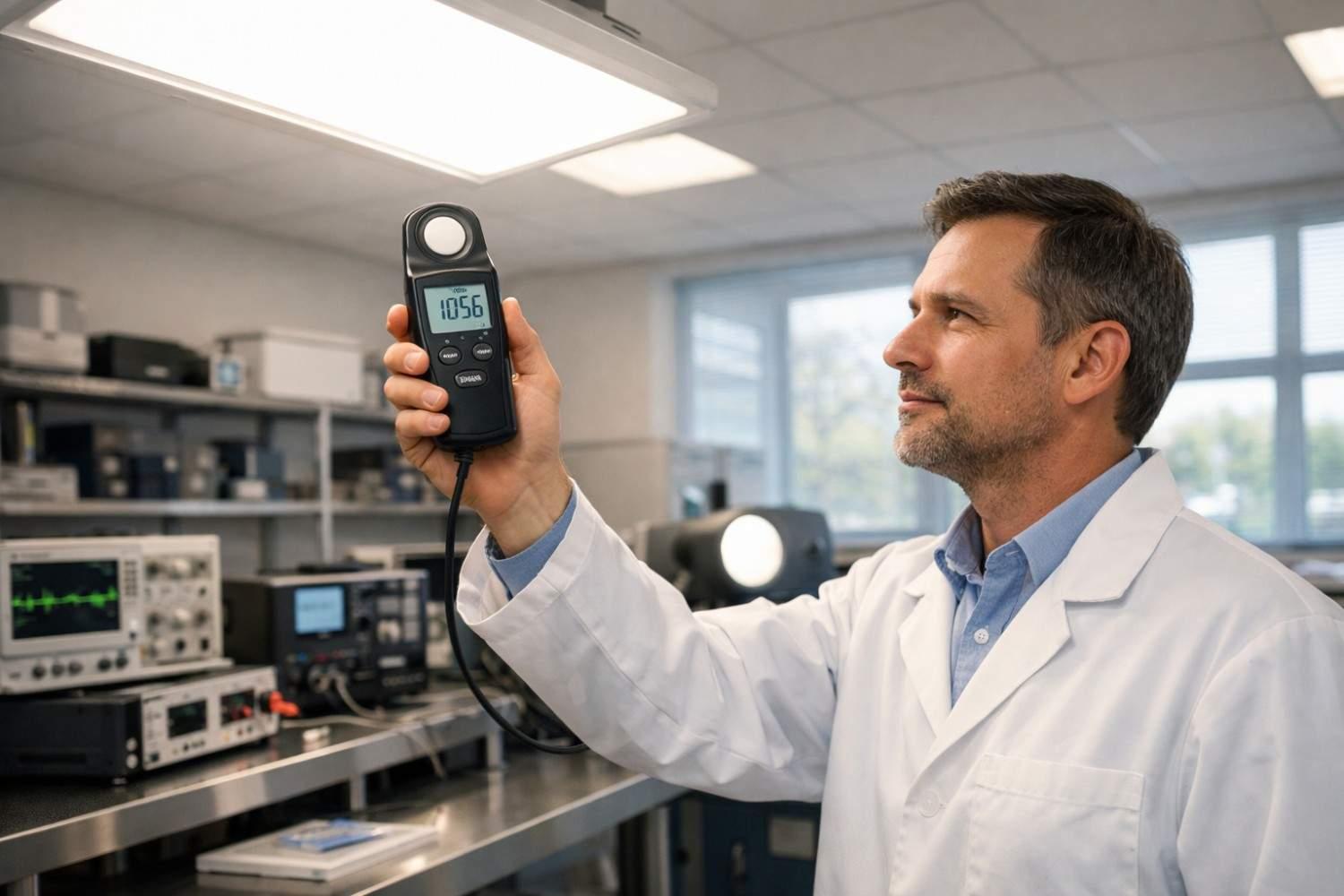
Lighting plays a major role in how safely and effectively people work, learn, and live. Whether it is an office, a hospital, a warehouse, or a construction site, the right amount of light directly affects productivity, safety, and wellbeing. A lux meter is the instrument used to measure light intensity accurately. But like any precision tool, a lux meter must be regularly calibrated to give correct readings. Many businesses and facilities in Dubai rely on Lux Meter Calibration Companies in Dubai to keep their measurements reliable and meet local and international standards. Without proper calibration, even the best lux meter can give wrong results, and that can lead to serious safety and compliance issues.
What Is a Lux Meter and Why Is It Used?
A lux meter, also called a light meter or illuminance meter, is a device that measures the intensity of light falling on a surface. The unit of measurement is lux (lx), which tells you how much luminous flux is spread over a given area. In simple terms, it tells you how bright or dim a space really is.
Lux meters are widely used across many industries. Hospitals use them to check that operating rooms and wards have the right light levels for patient safety. Schools use them to make sure classrooms are well-lit for students to read and study. Factories and warehouses use them to reduce eye strain and prevent accidents. Outdoor construction teams use them to verify that work zones meet safety standards, especially during nighttime operations.
Because these measurements directly affect people's safety and comfort, the lux meter itself must always be working correctly. That is where calibration becomes critical.
Why Lux Meter Calibration Matters
Calibration is the process of comparing a measuring instrument against a known standard to check its accuracy. Over time, lux meters can drift from their original accuracy due to several factors. The photodetector inside the device can degrade with exposure to light over long periods. Temperature changes, humidity, physical shocks, and regular wear and tear can all affect how accurately the device reads light levels.
When a lux meter is not calibrated, there is no way to know if the readings it gives are correct. A device that reads 500 lux might actually be measuring 400 or 600 lux. For a simple task, this difference might not seem important. But in environments where minimum lighting levels are required by law or safety codes, even small errors can put people at risk.
Regular calibration also helps extend the useful life of the instrument. When calibration is done, technicians check the device for wear or damage and can flag issues before they lead to complete failure. This saves money in the long run.
Lighting Standards and Regulations in Dubai
Dubai follows strict occupational health and safety guidelines that include requirements for workplace lighting. Organizations such as the Dubai Municipality and various industry-specific regulatory bodies set minimum lighting standards for different types of environments. These standards are aligned with international frameworks such as ISO and IEC guidelines.
For businesses to remain compliant, they need accurate data about their light levels. That data can only be trusted if the measuring instruments used to collect it are properly calibrated. Auditors and safety inspectors in Dubai regularly check whether facilities meet lighting requirements, and they often ask for calibration certificates for the equipment used in those measurements.
A calibration certificate from an accredited laboratory provides documented proof that the lux meter was tested against a traceable standard. This document is often required during safety audits, contract compliance reviews, and quality management system certifications such as ISO 9001.
Industries That Need Lux Meter Calibration
Lux meter calibration is relevant across a wide range of sectors in Dubai. Here is a look at the key industries where regular calibration is not optional but necessary.
Healthcare and Hospitals: Surgical theaters, ICUs, and examination rooms all have specific lux requirements. Wrong measurements can affect patient care and staff performance. Calibrated meters ensure lighting data is always accurate.
Oil, Gas, and Industrial Sites: These sites often involve hazardous zones where poor lighting increases accident risk. Calibrated lux meters help ensure that all work zones meet the lighting standards required for safe operations.
Construction and Engineering: During building inspections and handovers, lighting levels in new constructions must be verified. Accurate lux readings help contractors confirm that installed lighting systems perform as designed.
Retail and Commercial Spaces: Shopping malls, showrooms, and offices need consistent lighting for customer experience and employee productivity. Regular light measurements help facility managers keep lighting at the right levels.
Photography and Film Production: Studios rely on precise light measurements to achieve consistent results. A poorly calibrated lux meter can cause incorrect exposure settings and affect the quality of professional work.
How the Calibration Process Works
Lux meter calibration is carried out in a controlled laboratory environment. The process involves comparing the readings of the instrument being tested against a reference standard light source that has a known, certified output. Trained technicians check the device across multiple light levels to see how accurately it performs at each range.
If the lux meter is found to be outside acceptable accuracy limits, adjustments are made to bring it back into specification. Some devices can be adjusted internally, while others may require component replacement. After calibration, a certificate is issued showing the test results, any corrections made, and the traceability of the reference standard used.
Calibration intervals vary depending on how often the device is used, the conditions it is used in, and the manufacturer's recommendations. For most professional applications, annual calibration is standard practice. High-frequency users or those working in demanding environments may need to calibrate more often.
What to Look for in a Calibration Provider
Not all calibration services are the same. When choosing a calibration provider in Dubai, there are several important factors to consider.
Accreditation: The laboratory should be accredited by a recognized body such as the Emirates National Accreditation System (ENAS) or ISO/IEC 17025. Accreditation means the lab has been independently audited and meets international standards for calibration work.
Traceability: The reference standards used in calibration must be traceable to national or international measurement standards. This ensures that the results are comparable and legally recognized.
Turnaround Time: Businesses often cannot afford long downtime for their instruments. A good calibration provider should offer a reasonable turnaround time and, in some cases, on-site calibration services.
Documentation: A proper calibration certificate should clearly state the instrument details, the test results, the reference standard used, and the uncertainty of measurement. This documentation is essential for audits and quality records.
Making the Right Choice for Your Business
Accurate light measurement is not just a technical requirement. It is a commitment to safety, quality, and responsible operations. Whether you manage a healthcare facility, a commercial building, or an industrial site, keeping your lux meter calibrated is a small step that makes a big difference. For businesses looking to maintain high standards of accuracy and compliance, working with trusted Lux Meter Calibration Companies in Dubai ensures that your instruments give reliable results every time. Proper calibration supports better decision-making, reduces safety risks, and demonstrates your commitment to doing things the right way.

 English
 Arabic
 French
 Spanish
 Portuguese
 Deutsch
 Turkish
 Dutch
Dutch
 Russian
 Romaian
 Portuguese (Brazil)
 Greek
Greek
