


Common Engineering Causes Behind Pull Out Testing Failures in UAE
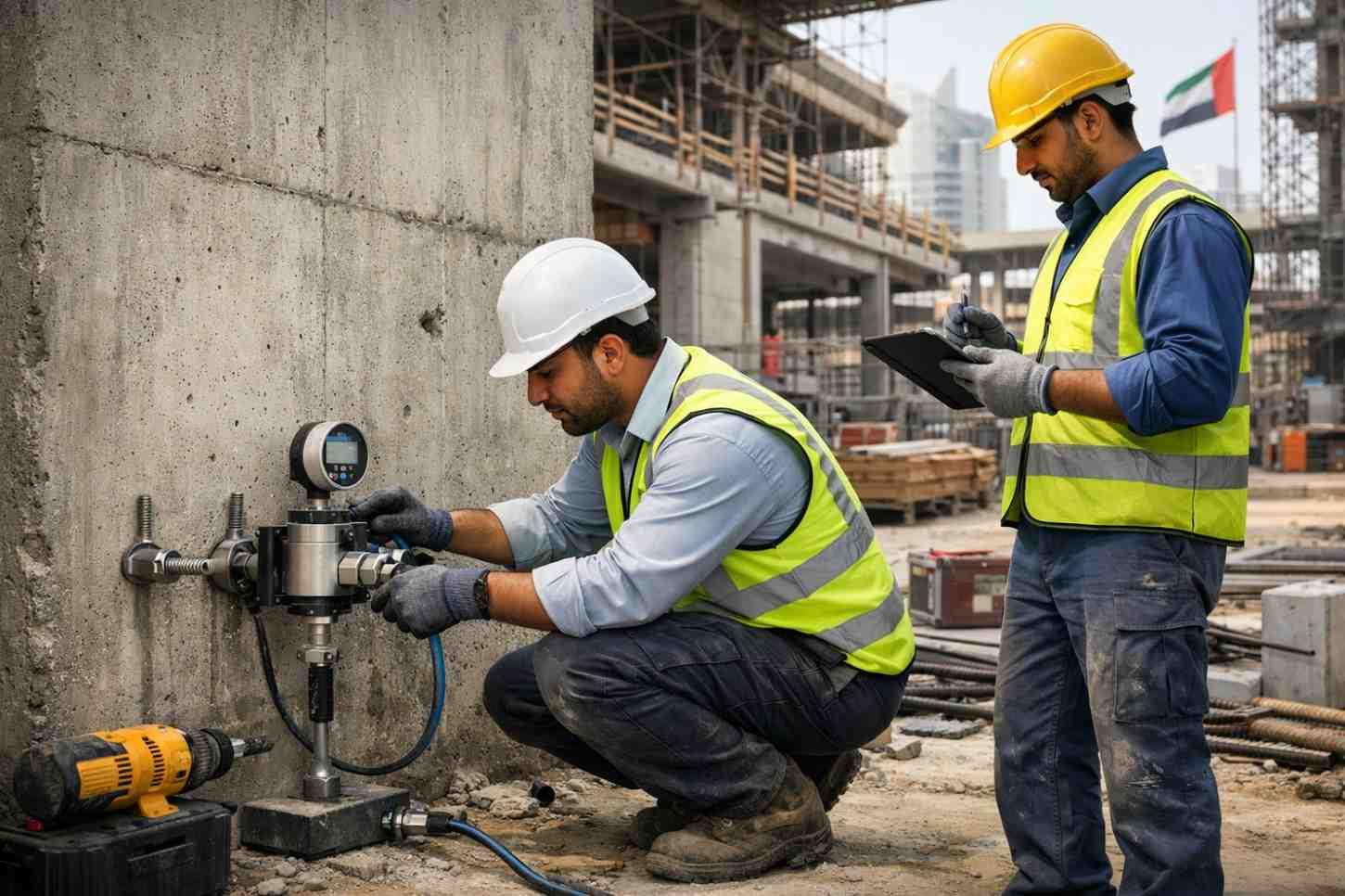
Pull out testing is an important process used in construction projects to check the strength and safety of anchors, bolts, and fixings inside concrete structures. Pull Out Testing Services in the UAE (All Emirates) are commonly used in commercial buildings, industrial projects, bridges, factories, and infrastructure works to confirm whether installed fixings can safely handle the required load.
When a pull out test fails, it may indicate problems in installation methods, concrete quality, material selection, or structural conditions. Understanding the engineering reasons behind these failures helps contractors, engineers, and site teams improve safety and reduce future repair work.
Poor Concrete Strength
One of the most common reasons for failure in pull out testing is weak concrete. Concrete must reach the required compressive strength before anchors or fasteners can perform properly. If the concrete is too soft or has not cured correctly, the fixing may loosen or pull out during testing.
Several factors can reduce concrete strength, such as:
- Incorrect water-to-cement ratio
- Poor mixing methods
- Low-quality materials
- Improper curing conditions
- Early loading of the structure
Concrete with cracks, honeycombing, or air gaps can also affect the test result. In many projects, pull out testing helps identify these hidden concrete issues before the structure is fully used.
Incorrect Anchor Installation
Improper installation is another major engineering cause of pull out testing failure. Even high-quality anchors may fail if they are not installed according to design requirements.
Common installation mistakes include:
- Wrong drilling depth
- Incorrect hole diameter
- Poor hole cleaning
- Misalignment of anchors
- Improper tightening torque
Dust or debris left inside drilled holes can reduce the bonding strength between the anchor and concrete. In chemical anchoring systems, incorrect mixing of adhesive materials can also weaken the fixing performance.
Site teams must follow manufacturer instructions carefully to achieve reliable results during testing.
Using the Wrong Anchor Type
Different construction conditions require different anchor systems. Using the wrong anchor for a specific application can lead to pull out failure.
For example, some anchors work better in cracked concrete, while others are designed for solid concrete only. Certain fasteners may perform well under static loads but fail under vibration or dynamic movement.
Engineering calculations are important when selecting anchors for:
- Heavy machinery
- Structural steel connections
- Pipe supports
- Cable trays
- Suspended systems
Choosing an anchor without considering load conditions, environmental exposure, or concrete condition may increase the chance of failure during pull out testing.
Insufficient Embedment Depth
Embedment depth refers to how deeply the anchor is installed inside the concrete. If the anchor is not embedded deep enough, it may not develop the required holding strength.
Shallow embedment can cause:
- Concrete cone failure
- Anchor pullout
- Reduced load capacity
- Early cracking around the fixing area
Engineering drawings usually specify the required depth based on load calculations and anchor type. Ignoring these specifications can create weak connections that fail during testing.
Correct drilling equipment and depth measurement tools help reduce this problem on construction sites.
Edge Distance and Spacing Problems
Anchor placement inside concrete plays a major role in pull out testing performance. If anchors are installed too close to concrete edges or too near each other, the surrounding concrete may crack during loading.
This issue is common in congested installation areas where multiple anchors are placed in limited space.
Common engineering problems include:
- Small edge distance
- Inadequate spacing between anchors
- Installation near existing cracks
- Weak corners or thin concrete sections
When the concrete surrounding the anchor cannot resist the applied force, the test may fail even if the anchor itself is strong.
Proper layout planning and structural review are important before anchor installation begins.
Corrosion and Environmental Damage
Environmental conditions can slowly weaken anchors and embedded fixings over time. Corrosion is a major concern in coastal and humid regions where steel components are exposed to moisture and chemicals.
Rust can reduce anchor diameter and weaken the bond between metal and concrete. In some cases, corrosion also creates internal pressure that cracks the surrounding concrete.
Other environmental factors include:
- High temperatures
- Chemical exposure
- Water leakage
- Salt contamination
- Freeze and thaw conditions
Regular inspection and testing help identify damaged anchors before serious structural problems develop.
Overloading Beyond Design Capacity
Every anchor system is designed to handle a specific load limit. Applying loads higher than the designed capacity can result in pull out failure.
Overloading may happen because of:
- Design changes during construction
- Additional equipment installation
- Incorrect load calculations
- Unexpected structural movement
In some industrial projects, vibration from heavy machinery can create repeated stress on anchors, slowly weakening them over time.
Engineering teams must verify actual load conditions before performing pull out tests to ensure accurate evaluation.
Poor Workmanship on Site
Construction quality greatly affects pull out testing results. Skilled workmanship is necessary during drilling, cleaning, anchor placement, and tightening procedures.
Common workmanship issues include:
- Rushed installation work
- Untrained labor
- Improper use of tools
- Lack of inspection
- Ignoring manufacturer guidelines
Even small installation errors can reduce the final load capacity of the fixing system. Proper supervision and quality control procedures help reduce these risks on active construction sites.
Importance of Proper Testing Procedures
Sometimes pull out testing failures happen because of incorrect testing methods rather than actual anchor weakness. Testing equipment must be calibrated correctly, and the load must be applied according to standard procedures.
Important testing factors include:
- Correct load application speed
- Proper alignment of equipment
- Accurate load recording
- Suitable reaction frame setup
Using uncalibrated equipment or incorrect procedures can produce misleading results that affect project decisions.
Reliable testing methods are important for confirming the true performance of installed anchors and fixings.
Construction projects depend heavily on safe and properly installed anchor systems. Understanding the common engineering causes behind pull out testing failures helps reduce safety risks, avoid structural problems, and improve installation quality. Many contractors and engineers rely on Pull Out Testing Services in the UAE (All Emirates) to identify installation issues, verify load performance, and maintain compliance with engineering standards across different types of construction projects.

 English
 Arabic
 French
 Spanish
 Portuguese
 Deutsch
 Turkish
 Italiano
 Russian
 Romaian
 Portuguese (Brazil)
 Greek
Greek
