


How Large Industrial Fans Improve Airflow, Energy Efficiency, and Employee Comfort in Industrial Facilities
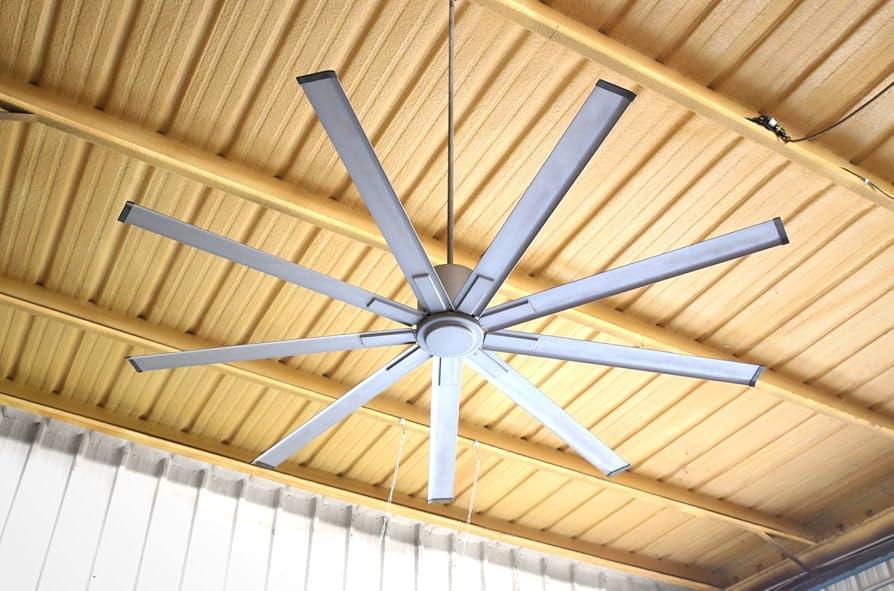
Industrial facilities require effective ventilation and climate control systems to maintain productive, safe, and comfortable working environments. Warehouses, manufacturing plants, distribution centers, agricultural buildings, and logistics facilities often experience challenges such as excessive heat, stagnant air, humidity buildup, and uneven indoor temperatures. These issues can negatively affect employee comfort, operational efficiency, and energy consumption.
Large industrial fans provide a reliable and energy-efficient solution for improving airflow and maintaining better indoor conditions in expansive facilities. Designed to move large volumes of air across wide areas, these fans help regulate temperatures, improve ventilation, and create healthier workplace environments.
From reducing heat stress to lowering utility costs, large industrial fans offer numerous advantages for industrial and commercial operations.
Improved Airflow Throughout Large Facilities
One of the biggest advantages of large industrial fans is their ability to improve airflow across large spaces. Industrial buildings with high ceilings and expansive floor areas often suffer from stagnant air pockets and inconsistent ventilation.
Large industrial fans create continuous airflow that circulates air evenly throughout the facility. The moving air helps eliminate dead zones and improves overall ventilation in warehouses, production areas, and storage spaces.
Better airflow creates fresher and more comfortable indoor environments while supporting healthier workplace conditions.
Enhanced Employee Comfort
Employee comfort is essential for maintaining productivity, morale, and workplace performance. Excessive heat and poor ventilation can make industrial environments uncomfortable and physically exhausting for workers.
Large industrial fans create a cooling effect by increasing air movement around employees. The airflow helps the body cool naturally through sweat evaporation, making workers feel cooler even when room temperatures remain unchanged.
Comfortable employees are generally more productive, focused, and motivated during their shifts. Better workplace conditions also contribute to higher employee satisfaction and reduced fatigue.
Reduced Heat Stress and Workplace Risks
Industrial facilities can become extremely hot during summer months or in environments with heat-producing machinery. Excessive heat may increase the risk of dehydration, exhaustion, and workplace accidents.
Large industrial fans help reduce heat stress by maintaining steady airflow throughout occupied areas. Better ventilation allows employees to remain cooler and more alert while performing physically demanding tasks.
Improved airflow also helps reduce moisture buildup on floors, lowering the risk of slips and falls in industrial workplaces.
Better Ventilation and Indoor Air Quality
Warehouses and manufacturing plants often contain machinery, forklifts, chemicals, packaging materials, and industrial processes that generate dust, fumes, smoke, and airborne contaminants. Poor ventilation may negatively affect indoor air quality and employee health.
Large industrial fans improve ventilation by continuously circulating air throughout the building. Better airflow helps remove stale air, airborne particles, excess humidity, and odors while maintaining cleaner indoor conditions.
Improved indoor air quality supports healthier workplaces and may reduce respiratory irritation caused by industrial pollutants.
Increased Energy Efficiency
Heating and cooling large industrial facilities can result in significant energy expenses. HVAC systems often struggle to maintain comfortable temperatures in expansive buildings with high ceilings.
Large industrial fans improve energy efficiency by reducing dependence on heating and cooling systems. During warmer months, the airflow generated by the fans allows businesses to raise thermostat settings while still maintaining employee comfort.
During colder seasons, large industrial fans help redistribute warm air trapped near the ceiling back down toward occupied areas through a process called destratification. This improves heating efficiency and reduces energy waste.
Lower HVAC demand helps businesses reduce electricity consumption and lower utility costs.
Better Temperature Distribution
Large facilities commonly experience uneven temperatures because warm air naturally rises and becomes trapped near the ceiling while cooler air remains closer to the floor.
Large industrial fans continuously circulate warm and cool air, helping maintain balanced temperatures across the facility. More consistent temperatures improve employee comfort while reducing strain on heating and cooling systems.
Balanced indoor temperatures also help protect machinery, equipment, and stored inventory from heat-related damage and environmental fluctuations.
Reduced Humidity and Moisture Problems
Humidity and condensation can create several operational challenges in industrial environments. Excess moisture may damage products, encourage mold growth, and create unsafe working conditions.
Large industrial fans help control humidity by improving airflow and supporting faster moisture evaporation. Better ventilation reduces condensation on walls, ceilings, floors, and equipment while maintaining drier indoor conditions.
Facilities storing electronics, pharmaceuticals, food products, paper goods, or sensitive materials especially benefit from improved humidity management.
Cost-Effective Cooling Solution
Installing large-scale air conditioning systems in industrial buildings can be expensive and difficult to maintain. Large industrial fans offer a more affordable and energy-efficient solution for improving comfort and ventilation.
These fans cover large areas while consuming relatively little electricity compared to traditional cooling systems. Businesses can also combine industrial fans with existing HVAC systems to maximize climate control efficiency and reduce operating costs.
Their durability and low maintenance requirements make them a valuable long-term investment for industrial operations.
Improved Operational Efficiency
Comfortable and well-ventilated workplaces contribute directly to improved operational performance. Employees working in cooler and cleaner conditions are able to maintain better focus, energy, and productivity throughout the workday.
Large industrial fans help reduce worker fatigue and create more productive workplace conditions. Better airflow also helps maintain stable environmental conditions for equipment and stored inventory, reducing downtime and operational disruptions.
Improved environmental control supports smoother workflows and higher industrial efficiency.
Protection for Equipment and Inventory
Excessive heat and poor ventilation can negatively impact industrial machinery, electronics, and stored products. Overheated equipment may experience reduced performance, increased maintenance costs, and shorter operational lifespan.
Large industrial fans improve airflow around machinery and storage areas, helping regulate temperatures and reduce overheating risks. Better ventilation also protects inventory from moisture-related damage and environmental fluctuations.
Maintaining stable indoor conditions helps improve product quality and equipment reliability.
Quiet and Efficient Operation
Unlike smaller high-speed fans, large industrial fans operate at lower rotational speeds while still moving large amounts of air. This allows them to provide effective airflow without generating excessive noise.
Quiet operation is especially beneficial in facilities where communication and concentration are important, such as manufacturing plants, fitness centers, and commercial spaces.
Employees and visitors can enjoy improved airflow without disruptive background noise.
Eco-Friendly and Sustainable Operation
Many businesses today focus on sustainability and energy conservation. Large industrial fans support environmentally responsible operations by lowering reliance on energy-intensive HVAC systems.
Compared to traditional cooling systems, industrial fans consume significantly less electricity while still delivering excellent ventilation and cooling performance. Reduced energy usage helps businesses lower carbon emissions and support eco-friendly workplace practices.
Large industrial fan systems also contribute to green building initiatives and sustainable facility management strategies.
Flexible Applications Across Industries
Large industrial fans are suitable for a wide range of industrial and commercial applications, including:
- Warehouses
- Manufacturing plants
- Distribution centers
- Agricultural facilities
- Gymnasiums
- Aircraft hangars
- Automotive workshops
- Retail spaces
- Logistics hubs
Available in different sizes and configurations, large industrial fans can be customized to meet the airflow needs of virtually any large facility.
Conclusion
Large industrial fans provide an effective solution for improving airflow, energy efficiency, and employee comfort in industrial facilities. By enhancing ventilation, reducing heat stress, balancing temperatures, and improving indoor air quality, these fans help create safer and more productive work environments.
In addition to lowering energy costs and improving operational efficiency, large industrial fans also protect equipment and inventory while supporting sustainable business practices. For warehouses and industrial facilities seeking reliable and cost-effective climate control solutions, investing in high-quality industrial fan systems is a smart long-term decision.

 English
 Arabic
 Spanish
 Portuguese
 Deutsch
 Turkish
 Dutch
Dutch
 Italiano
 Russian
 Romaian
 Portuguese (Brazil)
 Greek
Greek
