


Flowing Into the Future: Why Industrial Precision Starts With the Right Flow Meter
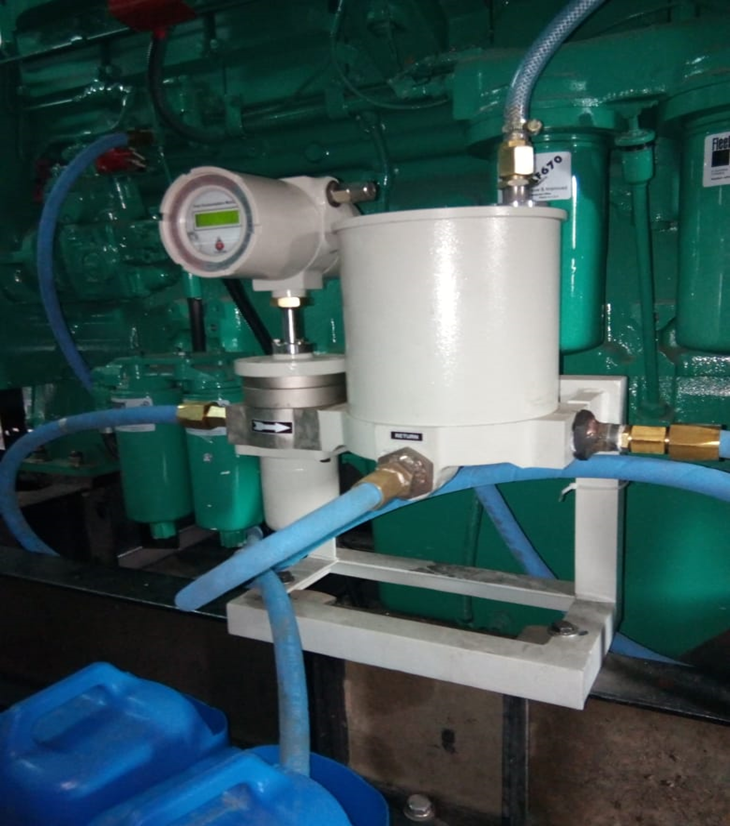
Positive displacement flow meter manufacturers are becoming increasingly important in industries where accurate fluid measurement directly impacts efficiency, safety, and profitability. From petroleum handling and chemical processing to pharmaceuticals and food manufacturing, businesses rely on dependable flow measurement systems to maintain operational excellence.
As industries embrace automation and smarter technologies, precision monitoring has become more valuable than ever before. Consequently, companies are now investing in advanced flow meter solutions that deliver consistent performance under demanding industrial conditions.
The Rising Importance of Precision Flow Measurement
Modern industries operate in environments where even the smallest measurement error can create significant financial and operational losses. Therefore, accurate flow monitoring has become a fundamental part of industrial process management.
Positive displacement flow meters help organizations maintain exact measurement standards while reducing fluid wastage and operational inefficiencies. Since these meters directly measure the fluid passing through them, they provide highly accurate readings regardless of flow conditions.
Additionally, industries handling costly or sensitive liquids require reliable systems that maintain consistency over long operational periods. Precision measurement not only improves productivity but also supports regulatory compliance and product quality assurance.
As industrial processes become increasingly data-driven, accurate flow measurement systems continue gaining strategic importance across multiple sectors.
Understanding How Positive Displacement Flow Meters Work
Positive displacement flow meters function by trapping fixed amounts of liquid and counting the number of times the chamber fills and empties. This direct measurement principle ensures extremely accurate flow calculations.
Unlike inferential flow meters, these devices physically isolate fluid quantities during operation. As a result, they maintain exceptional precision even when fluid viscosity or pressure changes occur.
Furthermore, these flow meters perform particularly well with thick liquids such as oils, fuels, lubricants, syrups, and chemicals. Their ability to measure low flow rates accurately makes them suitable for specialized industrial applications.
Because of these advantages, industries requiring billing accuracy and process consistency frequently choose positive displacement technologies over conventional alternatives.
Why Industries Trust Positive Displacement Technology
Industrial operations depend heavily on reliability and long-term performance. Positive displacement flow meters have earned industry trust because they consistently deliver dependable measurements in demanding environments.
These systems are highly resistant to variations in fluid properties, making them suitable for complex industrial processes. Additionally, they offer excellent repeatability, which helps businesses maintain consistent operational standards.
Another major advantage involves their low maintenance requirements when properly installed and calibrated. Industries appreciate technologies that minimize downtime while maximizing operational efficiency.
Consequently, positive displacement meters are widely used in fuel distribution, automotive manufacturing, marine operations, and industrial fluid management systems.
Applications Across Multiple Industrial Sectors
Positive displacement flow meters serve a broad range of industries because of their versatility and measurement accuracy. Petroleum companies use them extensively for fuel dispensing, transportation, and inventory management.
Similarly, chemical processing plants rely on these systems to handle aggressive and viscous fluids safely. Accurate monitoring helps prevent product losses while improving production efficiency.
Food and beverage manufacturers also benefit significantly from precise ingredient measurement and controlled fluid transfer systems. Maintaining consistency is essential for both quality control and regulatory compliance.
Additionally, pharmaceutical companies use positive displacement meters in critical dosing applications where precision directly affects product effectiveness and safety standards.
Features That Make These Flow Meters Highly Reliable
Several features contribute to the growing popularity of positive displacement flow meters in industrial environments. One of the most important benefits is their exceptional accuracy across varying operating conditions.
These meters also function effectively without requiring extensive straight piping arrangements. Therefore, industries can install them in compact spaces without affecting performance quality.
Moreover, they are capable of measuring highly viscous fluids that many alternative technologies struggle to handle efficiently. This flexibility increases their usefulness across multiple industries.
Another key advantage is their durability. Modern designs use advanced materials that resist corrosion, temperature variations, and harsh chemical exposure.
Smart Manufacturing and Digital Flow Monitoring
The industrial world is rapidly moving toward automation and intelligent manufacturing systems. As a result, flow meter technologies are evolving to support digital integration and remote monitoring capabilities.
Modern positive displacement flow meters now feature smart displays, communication protocols, and cloud-based monitoring systems. These advancements help operators access real-time data more efficiently.
Additionally, IoT-enabled systems improve predictive maintenance strategies by detecting performance irregularities before failures occur. Businesses can reduce downtime while optimizing operational productivity.
Digital flow monitoring also improves decision-making by providing detailed performance analytics and operational insights across industrial facilities.
Choosing the Right Flow Meter Manufacturer
Selecting the right manufacturer plays a crucial role in long-term system performance and reliability. Industries should prioritize manufacturers with proven expertise and strong quality standards.
Reliable manufacturers understand specific industrial requirements and provide customized flow measurement solutions tailored to operational needs. This approach ensures better compatibility and long-term performance.
Additionally, businesses should evaluate product certifications, technical support, and after-sales service capabilities before making purchasing decisions.
Manufacturers offering calibration support, maintenance assistance, and spare part availability often provide better long-term value for industrial customers.
Maintenance Strategies for Long-Term Accuracy
Regular maintenance is essential for preserving the performance and lifespan of industrial flow meters. Even highly advanced systems require periodic inspections and servicing to maintain measurement accuracy.
Routine cleaning helps prevent residue buildup that may affect internal components and fluid movement. Consequently, businesses can maintain consistent operational efficiency over extended periods.
Calibration is equally important because it ensures the system continues delivering accurate readings under varying process conditions.
Furthermore, preventive maintenance programs help industries reduce unexpected downtime and avoid costly operational interruptions.
Innovation Driving the Future of Flow Measurement
Technological innovation continues transforming industrial flow measurement systems at a rapid pace. Manufacturers are now developing smarter, smaller, and more energy-efficient solutions for modern industries.
Advanced materials improve equipment durability while increasing resistance to wear and chemical exposure. As a result, modern flow meters perform effectively in highly demanding industrial environments.
Wireless connectivity and AI-driven diagnostics are also becoming increasingly common. These technologies improve monitoring accuracy while simplifying maintenance processes.
Additionally, future developments will likely focus on greater automation integration, sustainability improvements, and enhanced operational intelligence.
Sustainability and Operational Efficiency
Sustainability has become a critical focus area for industries worldwide. Accurate flow measurement directly supports resource conservation and efficient fluid management practices.
By reducing product loss and improving process control, positive displacement flow meters help businesses minimize waste and improve energy efficiency.
Furthermore, accurate monitoring systems support environmental compliance by ensuring proper handling and distribution of industrial liquids and fuels.
As industries continue adopting sustainable manufacturing practices, demand for reliable and efficient flow measurement technologies will continue growing steadily.
Final Thoughts on Industrial Flow Meter Excellence
Industrial success increasingly depends on accurate measurement, efficient automation, and reliable operational systems. Positive displacement flow meters continue proving their value across multiple industries because of their precision and durability.
As technology advances, industries are seeking smarter systems capable of delivering accurate data with minimal maintenance requirements. Flow meter innovation will continue shaping the future of industrial automation and efficiency.
Businesses looking to improve fluid monitoring accuracy and operational reliability are increasingly turning toward advanced technologies like the Oscillating Piston Flow meter for dependable industrial performance and long-term process optimization.

 English
 Arabic
 French
 Spanish
 Portuguese
 Deutsch
 Turkish
 Dutch
Dutch
 Italiano
 Russian
 Romaian
 Portuguese (Brazil)
