


Signs of Eczema in Babies Every Parent Should Know
Introduction
Watching your baby struggle with irritated, itchy skin can be stressful for any parent. Because babies cannot explain what they are feeling, recognizing early symptoms becomes especially important.
Understanding the common signs of eczema in babies can help parents seek timely care, reduce discomfort, and prevent symptoms from worsening.
Eczema, also called atopic dermatitis, is one of the most common skin conditions in infants and young children. It causes inflammation, dryness, redness, and itching that can range from mild to severe. While eczema is not contagious, it can significantly affect a baby’s comfort, sleep, and overall well-being.
The good news is that early recognition and proper management can help control symptoms and improve skin health over time.
What Is Eczema in Babies?
Eczema is a chronic inflammatory skin condition linked to genetics, immune system activity, and skin barrier dysfunction. Babies with eczema have more sensitive skin that loses moisture easily and reacts strongly to irritants or allergens.
The condition often develops during infancy, sometimes within the first few months of life. For some children, symptoms improve with age, while others may continue experiencing eczema into adulthood.
Why Babies Develop Eczema
Several factors may contribute to eczema in infants.
Genetics and Family History
Babies are more likely to develop eczema if there is a family history of:
- Eczema
- Asthma
- Allergies
- Hay fever
These conditions are connected through an overactive immune response and increased skin sensitivity.
Weak Skin Barrier
Healthy skin acts as a barrier that protects against irritants and locks in moisture. In babies with eczema, this protective barrier is weaker, making the skin dry and easily irritated.
Environmental Triggers
Certain environmental factors can trigger eczema flare-ups in babies, including:
- Dry weather
- Heat and sweating
- Fragranced products
- Harsh detergents
- Dust mites
- Pet dander
Identifying triggers can help parents better manage symptoms.
Common Signs of Eczema in Babies
Eczema symptoms may look different from baby to baby. Some infants develop mild dry patches, while others experience widespread irritation and itching.
Dry and Rough Skin
One of the earliest signs of eczema is persistent dryness. The skin may appear rough, flaky, or scaly even after applying lotion.
Dryness often appears on:
- Cheeks
- Forehead
- Arms
- Legs
- Scalp
Unlike temporary dry skin, eczema-related dryness tends to persist or worsen over time.
Red or Inflamed Patches
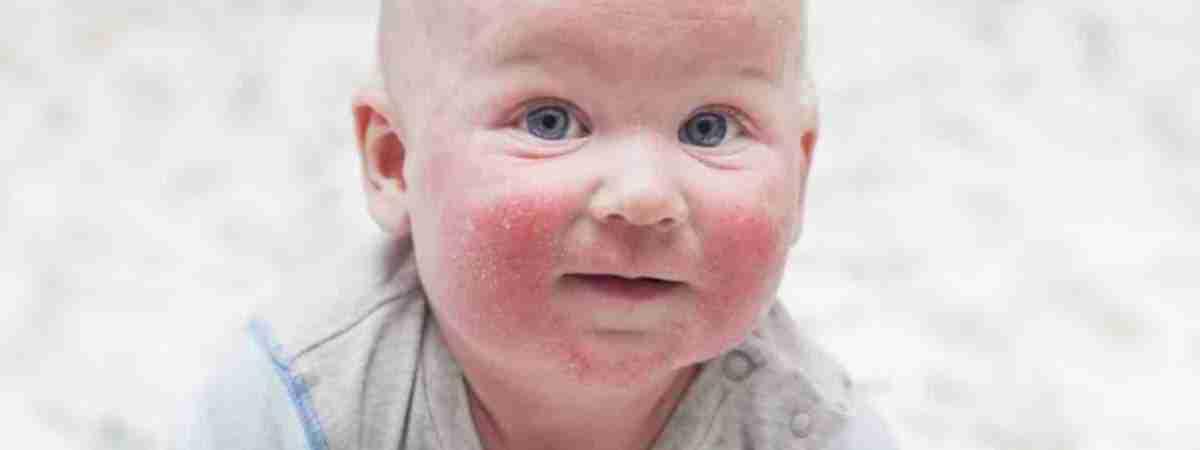
Redness is another common symptom. Inflamed areas may appear pink, red, or darker depending on the baby’s skin tone.
These patches are often found on:
- The face
- Around the mouth
- Elbows
- Knees
- Neck folds
Inflamed skin may feel warm or sensitive to the touch.
Constant Itching
Itching is one of the most uncomfortable symptoms of eczema. Babies may not be able to scratch directly, but parents may notice:
- Frequent rubbing against bedding
- Increased fussiness
- Scratching with hands or feet
- Trouble sleeping
Persistent itching can make babies irritable and restless.
Cracked or Oozing Skin
In more severe cases, the skin may crack, bleed, or ooze fluid due to excessive scratching and irritation.
This can increase the risk of infection and may require medical treatment.
Signs of possible infection include:
- Yellow crusting
- Swelling
- Pus
- Increased redness
- Fever
Parents should seek medical attention if these symptoms appear.
Thickened Skin
Repeated scratching over time may cause the skin to become thicker and rougher in certain areas.
This condition, called lichenification, is more common in ongoing or poorly controlled eczema.
Where Eczema Commonly Appears in Babies
The location of eczema symptoms can vary depending on age.
Facial Eczema
In infants under six months old, eczema often appears on the:
- Cheeks
- Forehead
- Chin
The rash may look red, dry, or irritated.
Body Folds and Extremities
As babies grow older, eczema may spread to:
- Elbows
- Knees
- Wrists
- Ankles
- Neck
Warm body folds can trap sweat and worsen irritation.
How Eczema Affects Babies
Eczema is more than just dry skin. Severe itching and discomfort can affect many parts of a baby’s daily life.
Sleep Problems
Itching often becomes worse at night, making it difficult for babies to sleep comfortably.
Poor sleep can lead to:
- Fussiness
- Daytime irritability
- Difficulty feeding
- Increased stress for parents
Improving eczema symptoms often helps improve sleep quality for the entire family.
Emotional Discomfort
Babies with eczema may become more sensitive, clingy, or distressed because of ongoing discomfort.
While infants cannot express their feelings verbally, chronic itching and irritation can affect mood and behavior.
Common Triggers That Worsen Baby Eczema
Understanding triggers is an important part of managing eczema effectively.
Harsh Skincare Products
Many soaps, shampoos, and lotions contain fragrances or chemicals that irritate sensitive skin.
Parents should choose:
- Fragrance-free products
- Gentle cleansers
- Hypoallergenic skincare items
Avoiding harsh ingredients may reduce flare-ups.
Heat and Sweating
Overheating can trigger itching and irritation. Heavy clothing or warm rooms may make symptoms worse.
Keeping babies cool and dressing them in breathable fabrics like cotton can help.
Allergens
Some babies may react to allergens such as:
- Dust mites
- Pet dander
- Pollen
- Certain foods
Food-related eczema triggers are different for every child and should be evaluated carefully by a healthcare professional.
Effective Ways to Manage Eczema in Babies
Although eczema cannot always be cured permanently, many treatments can help reduce symptoms and protect the skin.
Moisturizing Frequently
Keeping the skin hydrated is one of the most important parts of eczema care.
Parents should apply moisturizer:
- After baths
- At least twice daily
- Whenever the skin feels dry
Thicker creams or ointments are usually more effective than lotions.
Gentle Bathing Habits
Bathing can help hydrate the skin when done correctly.
Helpful bathing tips include:
- Use lukewarm water
- Limit baths to 10 minutes
- Avoid harsh soaps
- Pat the skin dry gently
- Apply moisturizer immediately afterward
Hot water and long baths may worsen dryness.
Preventing Scratching
Since scratching damages the skin further, parents may help reduce scratching by:
- Keeping nails trimmed short
- Using soft mittens if needed
- Dressing babies in soft fabrics
- Maintaining cool room temperatures
Reducing itching helps protect the skin barrier.
Medical Treatments for Baby Eczema
Sometimes home care alone is not enough to control symptoms.
Prescription Creams
Doctors may prescribe topical corticosteroids or non-steroid medications to reduce inflammation during flare-ups.
These treatments should only be used under medical guidance.
Antihistamines
In some cases, antihistamines may help reduce nighttime itching and improve sleep.
Healthcare providers can determine whether these medications are appropriate for a baby’s age and condition.
When Parents Should See a Doctor
Parents should consult a healthcare provider if:
- Symptoms are severe
- Skin becomes infected
- Over-the-counter products are not helping
- The baby is losing sleep regularly
- Eczema spreads quickly or worsens suddenly
Early medical care can help prevent complications and improve symptom management.
Long-Term Outlook for Babies With Eczema
Many children experience improvement as they grow older, although some continue to have eczema later in life.
Consistent skincare, trigger management, and medical support can help reduce flare-ups and improve comfort over time.
Research into eczema treatments continues to expand, offering hope for more effective therapies in the future.
Conclusion
Recognizing the early signs of eczema in babies can help parents take action before symptoms become severe. Dryness, redness, itching, and irritation are common warning signs that should not be ignored.
With proper skincare, trigger management, and medical guidance, many babies can experience significant relief and improved quality of life.
As treatment options continue to evolve, some families are also choosing to join pediatric atopic dermatitis treatment trials that contribute to the development of safer and more effective therapies for children living with eczema.

 Arabic
 French
 Spanish
 Portuguese
 Deutsch
 Turkish
 Dutch
Dutch
 Italiano
 Russian
 Romaian
 Portuguese (Brazil)
 Greek
Greek
