


Somniphobia Explained: Why People Fear Sleep and How It Can Be Treated
Introduction
Sleep is supposed to be the body’s reset button, but for some people, it feels like the hardest part of the day. Somniphobia, the fear of falling asleep, can turn nights into a cycle of stress, anxiety, and overthinking. It often hides behind restlessness, bedtime avoidance, or constant worry about what might happen when the lights go out.
In this blog, we’ll break down what somniphobia really is, what causes it, and how it affects daily life. We’ll also look at practical ways to manage it and when support becomes important, especially when understanding why people are afraid to sleep.
What Is Somniphobia?
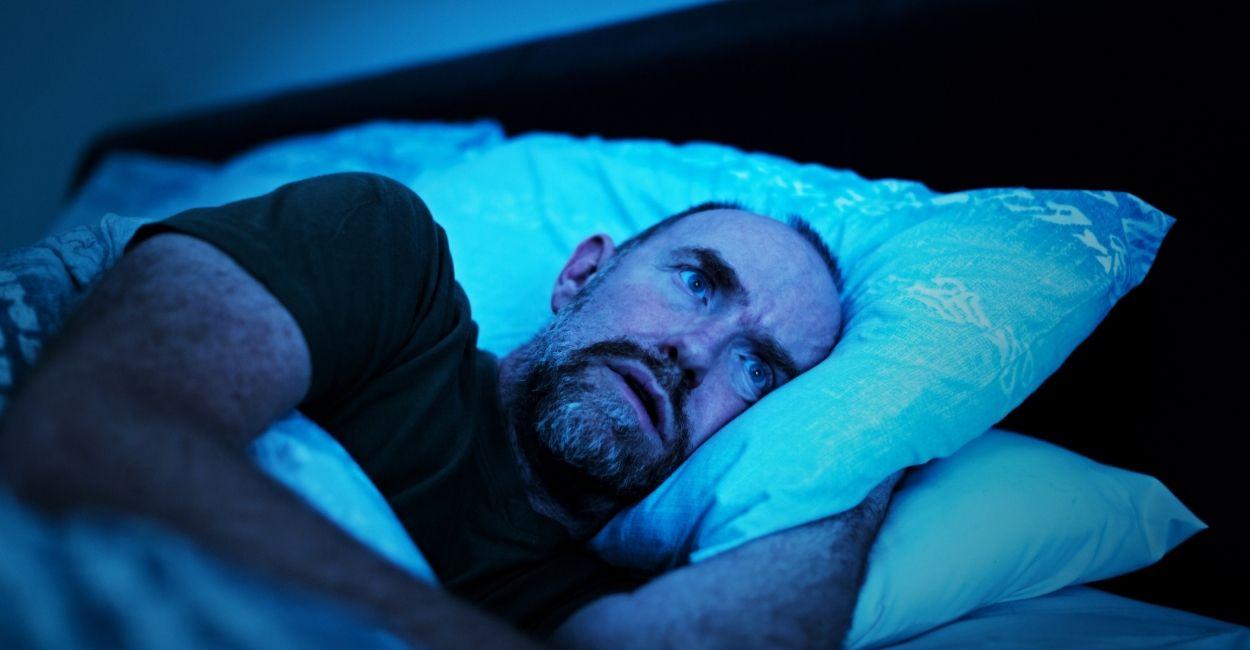
Somniphobia is a psychological condition where sleep itself triggers fear or anxiety. It’s not just difficulty falling asleep, it’s the active fear of the process of sleeping. People may avoid bedtime altogether or delay sleep until exhaustion takes over.
Unlike general insomnia, where sleep doesn’t come easily, somniphobia is driven by emotional resistance. The mind starts linking sleep with something unsafe or uncomfortable, even if there is no real danger present.
This condition can feel confusing because the body is tired, but the mind refuses to cooperate. Over time, this creates a cycle: fear leads to avoidance, and avoidance leads to more fear.
Common Patterns of Somniphobia
- Delaying bedtime repeatedly
- Feeling uneasy when lights are turned off
- Overthinking as sleep approaches
This internal conflict is what makes somniphobia more than just a sleep issue—it’s deeply tied to emotional response and perception.
Why the Mind Rejects Sleep
Sleep usually feels automatic, but for someone with somniphobia, the brain treats it differently. The fear often develops from emotional experiences, stress buildup, or past sleep-related distress.
One major cause is trauma or disturbing experiences linked with nighttime. For example, someone who experienced nightmares, panic attacks at night, or sleep paralysis may begin to associate sleep with fear instead of relaxation.
Anxiety also plays a big role. When the mind is already overactive during the day, bedtime becomes the moment when thoughts become louder. Instead of slowing down, the brain starts scanning for “what could go wrong.”
Factors That May Contribute to Somniphobia
- Chronic stress and burnout
- Fear of losing control while asleep
- Health anxiety, including fear of not waking up
- Irregular sleep habits that confuse the body clock
In addition, modern lifestyle habits don’t help either. Late-night scrolling, overstimulation, and inconsistent routines can make the brain less prepared for rest.
Over time, sleep becomes something the mind tries to “avoid dealing with,” which deepens the fear response. This is where the cycle really starts to tighten.
Signs and Symptoms You Might Notice
Somniphobia doesn’t always show up as a clear fear. Instead, it often builds quietly through habits and emotional cues.
Common Signs and Symptoms
- Delaying sleep even when exhausted
- Feeling uneasy as bedtime approaches
- Constant mental chatter when lying down
- A strong urge to stay distracted at night
Some people also report physical signs like a racing heart, tight chest, or restlessness when trying to sleep. These reactions are the body’s stress system kicking in, even though there’s no real danger.
Another subtle sign is “bedtime bargaining,” where a person tells themselves, “just 10 more minutes,” repeatedly until hours pass.
These patterns may seem small at first, but together they create a strong sleep-anxiety loop. That loop can slowly affect energy, mood, and focus the next day, which we’ll look at next.
How It Affects Daily Life
Somniphobia doesn’t stay limited to bedtime. It often spreads into daytime functioning as well.
When sleep becomes stressful, the body doesn’t fully recover overnight. As a result, people may feel drained even after long hours in bed. Concentration becomes harder, and small tasks may feel overwhelming.
Common Daily Effects
- Low energy and mental fatigue
- Irritability and emotional sensitivity
- Reduced focus and productivity
- Anxiety building up as evening approaches
In some cases, people begin to fear the night itself, not just sleep. This can create a daily emotional cycle where mornings feel like recovery time, and evenings feel like pressure building again.
However, this pattern is not permanent. With the right strategies, the cycle can be softened and gradually reversed.
Ways to Manage and Treat Somniphobia
Managing somniphobia usually involves slowly changing how the brain responds to bedtime. The goal isn’t to force sleep but to reduce fear around it.
One helpful step is building a consistent routine. When the body knows what to expect each night, it starts feeling more stable. Simple habits like dimming lights, reducing noise, and avoiding heavy stimulation can signal the brain that it’s time to slow down.
Helpful Coping Strategies
- Breathing exercises or guided relaxation
- Limiting screen time before bed
- Writing down thoughts to clear mental clutter
- Gentle stretching or calming music
Cognitive Behavioral Therapy (CBT) is also widely used. It helps identify fear-based thoughts and slowly replace them with more balanced ones. In some cases, exposure-based techniques are used to reduce bedtime anxiety gradually.
However, progress is rarely linear. Some nights may feel easier than others, and that’s completely normal. The key is consistency, not perfection. Even small improvements matter because they help retrain the brain’s response to sleep over time.
When Support Becomes Important
If sleep fear continues for weeks or starts affecting daily functioning, outside support can make a difference. Professional guidance can help uncover deeper emotional triggers and build a structured recovery plan.
Signs It May Be Time to Seek Help
- Sleep avoidance becomes frequent
- Anxiety increases at night despite efforts
- Self-help methods stop working
Therapists and sleep specialists can help break the cycle more effectively than trying to manage it alone. Early support often leads to faster improvement and less emotional strain over time.
Conclusion
Somniphobia is more than just trouble sleeping; it’s a fear-based cycle that slowly reshapes how the mind views rest. It often develops through stress, emotional experiences, or repeated sleep disturbances that make bedtime feel uncertain. The important thing to understand is that this condition can improve with time, awareness, and the right support.
Simple routine changes, calming techniques, and thought management can gradually reduce fear around sleep. For more persistent cases, professional sleep health treatment services can provide structured care that addresses both emotional and behavioral patterns.
Sleep should not feel like a challenge. With patience and consistent effort, it can slowly return to being what it is meant to be, a natural part of recovery, not resistance.

 English
 French
 Spanish
 Portuguese
 Deutsch
 Turkish
 Dutch
Dutch
 Italiano
 Russian
 Romaian
 Portuguese (Brazil)
 Greek
Greek
