


Inaccurate factory samples stem from poor blueprints. Discover why your tech pack development workflow is getting lost in translation with overseas mills.
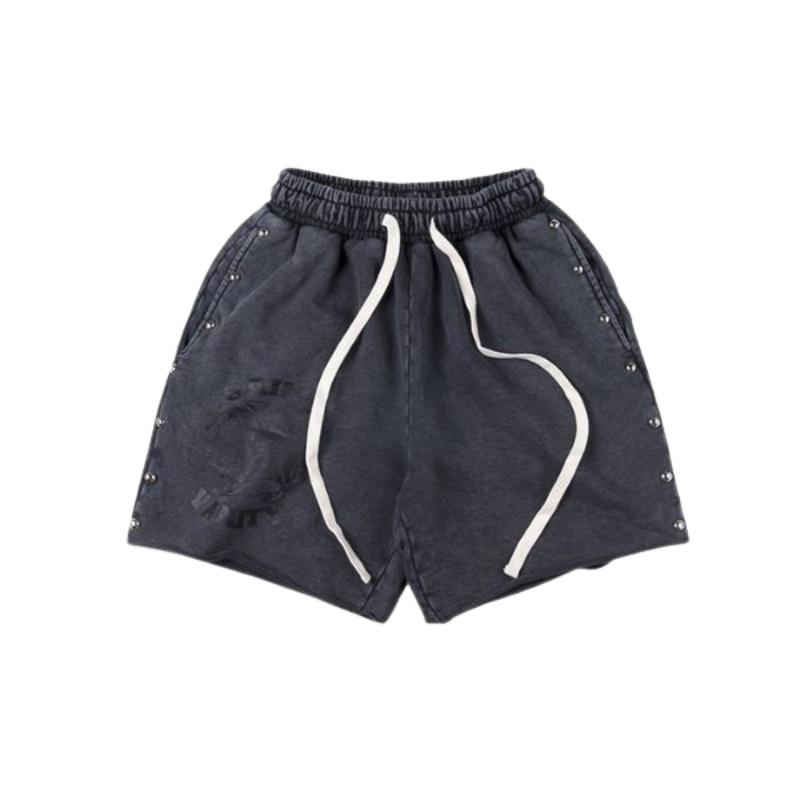
The transition from utilizing blank garments to launching a fully customized cut-and-sew apparel line represents a high-stakes operational leap. Many independent founders assume that emailing a polished, multi-page Adobe Illustrator PDF guarantees an accurate initial sample run from suppliers. They wait weeks for a package to arrive, only to unbox a prototype featuring warped proportions and misplaced hardware. This costly sampling friction rarely stems from a factory's lack of technical skill or machinery capabilities. The root breakdown almost always lies within ambiguous, non-standardized tech pack development workflows that fail international industrial manufacturing standards. Overseas production teams require absolute mathematical clarity rather than conceptual creative mood boards to execute your design vision accurately.
Vague Visual Annotations Fuel Structural Pattern Guesswork
Relying on loose, artistic design sketches instead of flat, technical vector drawings forces overseas clothing factories into dangerous guesswork. A factory pattern maker cannot accurately interpret the intended depth of a hood curve from a stylized three-quarter perspective illustration. When forced to guess your intended design proportions, sample rooms naturally default to the cheapest, fastest construction methods available. This structural ambiguity results in an ill-fitting prototype that requires multiple rounds of expensive, time-consuming sample revisions. True technical blueprints require flat orthographic front, back, and side views displaying every single seam line with geometric precision. Eliminating creative interpretation from the factory floor ensures your initial physical sample matches your digital vision perfectly.
Incomplete Material Lists Trigger Substandard Component Substitutions
-
A vague bill of materials template that lists generic components like "heavy black zipper" invites catastrophic manufacturing errors.
-
Overseas suppliers will automatically source the cheapest local stock hardware to fulfill incomplete material specification sheets.
-
Specifying exact component brands, model numbers, and metal finishes prevents factories from utilizing low-grade, generic alternatives.
-
Your documentation must clearly dictate precise thread weights, exact fabric compositions, and certified Pantone matching system color codes.
-
Providing explicit trim sourcing data eliminates structural material variations that ruin a garment's premium aesthetic after laundering.
-
Locking down your component supply chain early protects your compounding production budget from unexpected material upgrades later.
Imperial Measurement Systems Paralyze Asian Sourcing Hubs
Insisting on using inches for your garment specification sheet dimensions creates immediate mathematical calculation errors inside international sample rooms. The vast majority of elite overseas custom apparel manufacturing hubs operate exclusively on the metric system for pattern drafting. Forcing an international pattern maker to manually convert fractional inches into millimeters introduces compounding rounding errors across your size runs. These tiny fractional discrepancies culminate in severely distorted pattern grading discrepancies when scaling from small to extra-large options. Standardizing your entire dimension spreadsheet using centimeters eliminates calculation friction and speeds up sample development times significantly. Speak the universal language of global manufacturing to secure absolute measurement consistency across your entire production run.
Missing Tolerances Trigger Frequent Quality Control Disputes
Failing to define non-negotiable measurement tolerance limits within your documentation leaves your brand completely unprotected during quality disputes. Fabric is a flexible, organic medium that naturally shifts, stretches, and shrinks slightly during the industrial cutting and sewing process. Without an explicit tolerance column, a factory can claim a chest width discrepancy of two centimeters is perfectly acceptable. Your tech pack development must establish a strict maximum allowable variance, typically capped at plus or minus one centimeter. Setting these legal boundaries provides your independent third-party apparel quality control inspectors with concrete criteria for passing or failing batches. Hard operational boundaries force sewing lines to maintain elite assembly precision throughout your entire bulk manufacturing run.
Overlooked Internal Stitching Specifications Ruin Edge Durability
Most novice apparel designers focus entirely on external graphic placements while completely ignoring internal garment construction methodologies. Leaving your stitching specifications blank allows factories to utilize low-tier single-needle lockstitches on high-stress activewear seam lines. These weak interior closures rapidly unravel when subjected to standard real-world consumer movement and machine drying cycles. Your documentation must explicitly demand specific industrial finishes like four-needle six-thread flatlock stitching for performance apparel categories. Dictating exact stitches per inch parameters guarantees the structural longevity required to command luxury retail price points online. Specifying interior construction details prevents the premature seam blowouts that trigger costly e-commerce store returns.
Unmapped Construction Steps Stymie Complex Assembly Lines
A premium garment featuring complex multi-paneled asymmetry requires an explicit, step-by-step visual assembly map to guide factory workers. Large overseas clothing factories operate via highly segmented assembly lines where individual operators execute only one specific seam task. If your blueprint fails to illustrate the exact sequence of panel integration, the final assembly sequence often collapses completely. This layout confusion causes internal structural layers to bunch up awkwardly, ruining the tailored drape of the finished silhouette. Include clear, close-up callout diagrams illustrating complex pocket insertions, lining integrations, and hidden zipper tracks within your blueprints. Clear visual mapping transforms a confusing design into a highly efficient, error-free factory production run.

 English
 Arabic
 French
 Spanish
 Deutsch
 Turkish
 Dutch
Dutch
 Italiano
 Russian
 Romaian
 Portuguese (Brazil)
 Greek
Greek
