


Top Gravity Flow Packers for Efficient Bulk Material Packaging in 2026
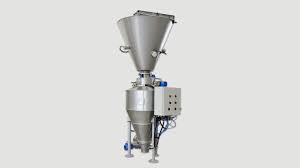
In the rapidly evolving industrial packaging landscape, businesses are continuously seeking reliable, cost-effective, and efficient solutions for handling bulk materials. Gravity flow packers have emerged as one of the most practical options for packaging free-flowing materials such as grains, seeds, fertilizers, and granules. Companies like Bagging Machine are playing a key role in delivering advanced gravity-flow packing systems that combine simplicity with high performance. In 2026, these machines will be more efficient than ever, helping industries streamline operations while maintaining accuracy and consistency.
What Is a Gravity Flow Packer?
A gravity flow packer is a type of bagging machine that uses the natural force of gravity to fill materials into bags. Unlike impeller or pneumatic systems, gravity packers rely on the product's free-flowing nature, making them ideal for granular and non-cohesive materials.
These machines are commonly used for:
- Grains and cereals
- Seeds and pulses
- Fertilizers
- Plastic pellets
- Animal feed
Why Gravity Flow Packers Are Popular in 2026
Gravity flow packers continue to gain popularity due to their efficiency, simplicity, and low operational cost. Here are the key reasons why industries prefer them:
1. Simple and Reliable Operation
With fewer moving parts compared to other filling machines, gravity flow packers are easy to operate and maintain, reducing downtime and repair costs.
2. Cost-Effective Solution
These machines are generally more affordable, both in terms of initial investment and ongoing maintenance, making them ideal for small to medium-sized operations.
3. High Filling Accuracy
Modern gravity packers are equipped with advanced weighing systems that ensure precise filling, minimizing product wastage.
4. Suitable for Free-Flowing Materials
They are specifically designed for materials that flow easily, ensuring smooth and consistent bagging without clogging.
5. Energy Efficiency
Since they rely on gravity rather than mechanical force, these machines consume less energy, contributing to lower operational costs.
Key Features to Look for in Gravity Flow Packers
When choosing the best gravity flow packer in 2026, consider the following features:
Advanced Weighing Systems
Accurate weighing is crucial for maintaining product consistency and reducing losses. Look for machines with digital load cells and PLC controls.
Adjustable Flow Control
Different materials require different flow rates. Adjustable gates and flow controls allow better handling of various products.
Durable Construction
Industrial-grade materials ensure the machine can handle continuous operation in demanding environments.
Dust Control Mechanisms
Even with free-flowing materials, dust can be an issue. Machines with dust collection systems improve workplace safety and cleanliness.
User-Friendly Interface
Modern touch-screen panels make it easier to control and monitor the machine, improving overall efficiency.
Applications of Gravity Flow Packers
Gravity flow packers are widely used across various industries due to their versatility:
Agriculture Industry
Used for packaging seeds, grains, and animal feed, ensuring fast and efficient bagging during peak seasons.
Fertilizer Industry
Ideal for handling granular fertilizers, providing accurate and consistent packaging.
Food Processing
Suitable for products like rice, sugar, and pulses, maintaining hygiene and quality standards.
Chemical Industry
Used for non-hazardous granular chemicals where precision and consistency are important.
Advantages Over Other Packing Systems
Gravity flow packers offer several benefits compared to other types of bagging machines:
- Lower Maintenance: Fewer mechanical components mean less wear and tear.
- Ease of Use: Simple operation reduces the need for extensive training.
- Quick Setup: Faster installation and setup compared to complex systems.
- Versatility: Can handle a wide range of free-flowing materials.
How to Choose the Right Gravity Flow Packer
Selecting the right machine depends on your operational needs. Here are some factors to consider:
- Material Type: Ensure the product is suitable for gravity-based filling.
- Production Capacity: Choose a machine that meets your daily output requirements.
- Bag Size and Type: Confirm compatibility with your packaging format.
- Automation Level: Decide whether you need a semi-automatic or fully automatic system.
- Budget and ROI: Evaluate long-term benefits against initial costs.
Future Trends in Gravity Flow Packaging
As industries continue to modernize, gravity flow packers are also evolving with new technologies:
- Automation Integration: Seamless integration with conveyors and palletizers.
- Smart Monitoring: IoT-enabled systems for real-time performance tracking.
- Sustainable Practices: Energy-efficient designs and eco-friendly packaging compatibility.
- Customization: Machines tailored to specific industry needs and materials.
These advancements ensure that gravity flow packers remain relevant and competitive in 2026 and beyond.
Conclusion
Gravity flow packers are a dependable and efficient solution for bulk material packaging, especially for free-flowing products. Their simplicity, cost-effectiveness, and accuracy make them a preferred choice across multiple industries. As technology continues to enhance their capabilities, these machines are becoming even more valuable for businesses aiming to improve productivity and reduce operational costs. Investing in the right gravity flow packer can significantly streamline your packaging process and provide long-term benefits in terms of efficiency, reliability, and overall performance.

 English
 Arabic
 French
 Spanish
 Portuguese
 Deutsch
 Turkish
 Italiano
 Russian
 Romaian
 Portuguese (Brazil)
 Greek
Greek
