


Hand Fracture Treatment: Diagnosis, Care, and Healing Time
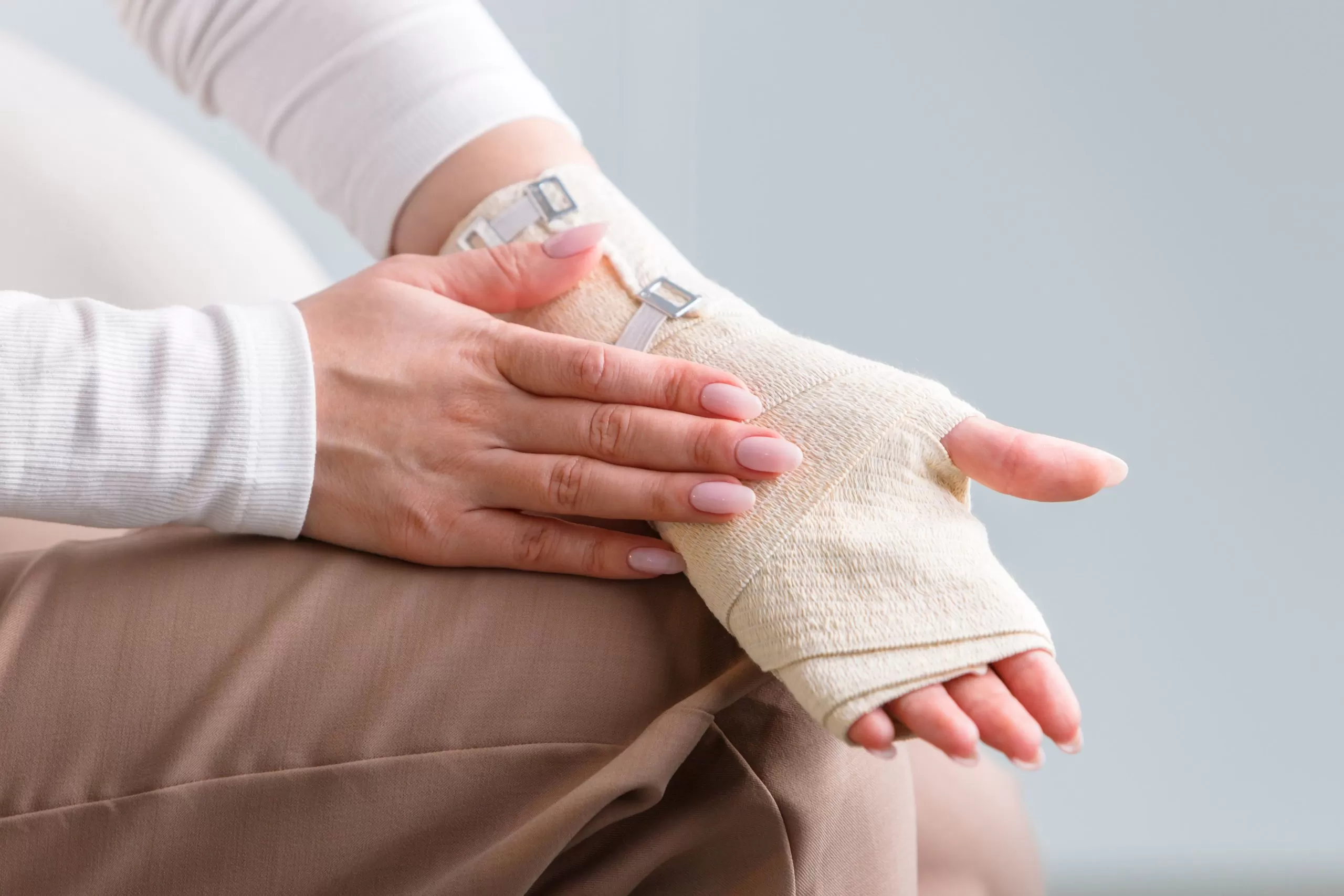
A hand fracture can affect daily life in many ways. Simple tasks like writing, holding objects, typing, cooking, or opening a door may become painful and difficult. Hand injuries are common in people of all ages and can happen during sports, falls, accidents, or work-related activities.
Getting the right hand fracture treatment at the right time is very important. Early diagnosis and proper care help the bone heal correctly and reduce the risk of long-term stiffness, weakness, or deformity. A delayed or incorrect treatment plan may lead to ongoing pain and reduced hand function.
The hand is made up of many small bones, joints, tendons, ligaments, and muscles that work together. Because the hand performs detailed movements every day, even a small fracture needs careful attention. Understanding the symptoms, diagnosis process, treatment options, and healing time can help patients recover more safely and confidently.
What Is a Hand Fracture?
A hand fracture means one or more bones in the hand are broken or cracked. The hand contains 27 bones, including:
- Finger bones (phalanges)
- Palm bones (metacarpals)
- Wrist bones (carpal bones)
A fracture can range from a tiny crack to a complete break. Some fractures stay in place, while others move out of alignment and may require surgery.
Hand fractures can happen suddenly after an injury or develop slowly because of repeated stress on the bone. The severity of the fracture often depends on the type of accident and the force involved.
Common Causes of Hand Fractures
Hand fractures can happen in many situations. Some of the most common causes include:
Falls
People often use their hands to protect themselves during a fall. This can place strong pressure on the hand bones and lead to fractures.
Sports Injuries
Sports such as football, basketball, cricket, boxing, and cycling increase the risk of hand injuries. Direct impact or twisting movements may break the bones.
Road Accidents
Car and motorcycle accidents can cause severe trauma to the hands and fingers.
Workplace Injuries
Heavy machinery, tools, or lifting heavy objects may result in hand fractures, especially in construction and industrial jobs.
Direct Blows
Punching a hard object or receiving a strong impact on the hand can break the metacarpal bones. This is commonly known as a boxer’s fracture.
Repetitive Stress
Repeated force or overuse may create small stress fractures in athletes or workers who perform repetitive hand movements.
Symptoms of a Hand Fracture
The symptoms may vary depending on the location and severity of the injury. Common signs include:
- Sudden pain in the hand or fingers
- Swelling
- Bruising
- Tenderness when touching the area
- Difficulty moving the fingers
- Weak grip strength
- Deformity or unusual finger position
- Numbness or tingling
- Pain that worsens with movement
In severe fractures, the bone may break through the skin. This is called an open fracture and needs urgent medical care.
Types of Hand Fractures
Different types of fractures require different treatment methods.
Stable Fracture
The bone breaks but stays in proper alignment. These fractures often heal well with splinting or casting.
Displaced Fracture
The broken bone pieces move out of position. This type may require surgery to restore alignment.
Open Fracture
The bone breaks through the skin. Open fractures have a higher risk of infection.
Comminuted Fracture
The bone breaks into several pieces. This usually happens after strong trauma.
Spiral Fracture
A twisting force causes the bone to break in a spiral shape.
Stress Fracture
Small cracks develop slowly because of repeated stress or overuse.
How Doctors Diagnose a Hand Fracture
A proper diagnosis is important for successful recovery. Doctors usually begin with a physical examination.
Medical History and Physical Examination
The doctor asks about:
- How the injury happened
- Pain level
- Swelling or numbness
- Ability to move the fingers
The hand is carefully examined for deformity, tenderness, and movement problems.
X-Rays
X-rays are the most common imaging test used to confirm fractures. They help show:
- The exact location of the break
- Bone alignment
- Severity of the fracture
CT Scan
A CT scan may be needed for complex fractures or injuries involving joints.
MRI
MRI scans help evaluate soft tissues such as ligaments, tendons, and cartilage when necessary.
Immediate First Aid for a Hand Fracture
Quick first aid can reduce pain and prevent further injury before medical treatment.
Immobilize the Hand
Keep the hand still using a splint or soft support. Avoid unnecessary movement.
Apply Ice
Ice helps reduce swelling and pain. Use ice packs for 15 to 20 minutes at a time.
Elevate the Hand
Keeping the hand raised above heart level may reduce swelling.
Avoid Using the Hand
Do not lift, push, or grip objects with the injured hand.
Seek Medical Care
Professional evaluation is important even if the pain seems mild.
Non-Surgical Hand Fracture Treatment
Many fractures can heal without surgery if the bones remain stable and aligned.
Splinting
A splint keeps the hand stable while allowing some swelling. Splints are commonly used during the first stage of treatment.
Casting
Casts provide stronger support and protect the healing bone. Patients may wear a cast for several weeks depending on the fracture.
Buddy Taping
Small finger fractures may heal with buddy taping, where the injured finger is taped to a healthy finger for support.
Pain Management
Doctors may recommend pain-relieving medications to improve comfort during recovery.
Physical Therapy
After immobilization, exercises help restore movement, flexibility, and strength.
Surgical Hand Fracture Treatment
Some fractures need surgery for proper healing. Surgery may be necessary if:
- Bones are badly displaced
- Multiple fractures are present
- Joints are involved
- The fracture is unstable
- The bone breaks through the skin
Internal Fixation
Metal screws, pins, rods, or plates may be used to hold the bones in place during healing.
External Fixation
In severe injuries, an external frame may stabilize the bones from outside the body.
Bone Grafting
In rare cases, bone grafts help repair large bone loss or severe fractures.
Surgery aims to restore hand function, improve alignment, and reduce complications.
Recovery After Hand Fracture Treatment
Healing does not stop after the bone joins together. Recovery also involves restoring movement and strength.
Rest and Protection
Patients should follow all instructions about splints, casts, or braces.
Hand Exercises
Gentle exercises improve flexibility and prevent stiffness.
Gradual Return to Activities
Heavy lifting and sports should only begin after medical clearance.
Follow-Up Visits
Regular appointments help monitor bone healing through physical exams and imaging tests.
Healing Time for Hand Fractures
Healing time varies depending on:
- Type of fracture
- Age of the patient
- Overall health
- Treatment method
- Severity of injury
In general:
- Minor fractures may heal in 4 to 6 weeks
- Moderate fractures may take 6 to 8 weeks
- Severe or surgical fractures may need several months
Even after the bone heals, stiffness and weakness may continue for some time. Physical therapy often improves recovery speed.
Factors That Affect Healing
Several factors influence how quickly the hand heals.
Age
Younger people usually heal faster than older adults.
Smoking
Smoking reduces blood flow and may delay bone healing.
Nutrition
Healthy nutrition supports bone repair. Calcium, vitamin D, and protein are especially important.
Diabetes and Medical Conditions
Certain health conditions may slow healing.
Following Treatment Instructions
Patients who wear their splints correctly and attend therapy sessions often recover better.
Possible Complications of Hand Fractures
Without proper treatment, complications may develop.
Stiffness
The hand may lose flexibility if movement is limited for too long.
Weakness
Grip strength may decrease after injury.
Malunion
The bone heals in the wrong position.
Nonunion
The fracture does not heal completely.
Arthritis
Joint fractures can increase the risk of arthritis later in life.
Nerve or Tendon Damage
Severe injuries may affect nearby tissues.
Early treatment lowers the chance of long-term problems.
Hand Therapy and Rehabilitation
Hand therapy plays a major role in recovery. Specialized exercises help improve:
- Finger movement
- Grip strength
- Coordination
- Flexibility
- Daily hand function
Therapists may use:
- Stretching exercises
- Strengthening programs
- Heat therapy
- Massage
- Splints
Rehabilitation often continues for weeks or months depending on the injury.
When to See a Doctor Immediately
Some symptoms require urgent medical care.
Seek medical attention if you notice:
- Severe swelling
- Fingers turning blue or pale
- Open wounds
- Loss of finger movement
- Numbness
- Extreme pain
- Visible deformity
Quick treatment helps prevent permanent damage.
Tips for Preventing Hand Fractures
Although accidents cannot always be avoided, some precautions may lower the risk.
Wear Protective Gear
Use gloves and sports protection when needed.
Practice Workplace Safety
Follow safety rules and use equipment carefully.
Improve Bone Health
Strong bones are less likely to break. Healthy eating and exercise support bone strength.
Avoid Punching Hard Objects
Direct impact injuries are a common cause of hand fractures.
Stay Active Safely
Exercise improves balance and coordination, reducing fall risk.
Living With a Hand Fracture
A hand fracture may temporarily affect work, hobbies, and daily activities. Many patients feel frustrated during recovery because the hand is used constantly throughout the day.
Simple adjustments may help during healing:
- Use the uninjured hand more often
- Avoid carrying heavy items
- Keep the hand elevated when resting
- Follow exercise instructions carefully
- Be patient with the recovery process
Most people return to normal activities after proper treatment and rehabilitation.
Conclusion
Hand fractures are common injuries that can affect movement, strength, and everyday activities. Early diagnosis and the right hand fracture treatment are important for safe healing and long-term hand function. Treatment may involve splints, casts, therapy, or surgery depending on the type and severity of the fracture.
Recovery time varies from person to person, but following medical advice, attending rehabilitation sessions, and protecting the hand during healing can improve results significantly. If you experience pain, swelling, or difficulty moving your hand after an injury, seeking professional care quickly is the best step toward recovery.
For expert evaluation and advanced orthopedic care, patients can consult Dr Marouane Bouloudhnine for proper diagnosis and personalized treatment planning.

 English
 Arabic
 French
 Spanish
 Portuguese
 Deutsch
 Turkish
 Dutch
Dutch
 Russian
 Romaian
 Portuguese (Brazil)
 Greek
Greek
