In the realm of indoor horticulture, few plants command as much admiration and practicality as the Sansevieria. Commonly known as the Snake Plant or Mother-in-Law’s Tongue, this botanical specimen is celebrated for its architectural elegance and extraordinary resilience. Its upright, sword-like leaves and minimal care requirements make it an exemplary choice for both novice gardeners and seasoned plant enthusiasts.
Introduction to Sansevieria
Sansevieria belongs to the genus Dracaena, a group of hardy, evergreen perennials native to Africa and parts of Asia. Its distinctive foliage, often variegated with shades of green, yellow, or silver, lends a sculptural quality to interior spaces. Unlike many delicate houseplants, Sansevieria thrives in neglect, tolerating low light, irregular watering, and fluctuating temperatures.
This remarkable adaptability has positioned Sansevieria as a staple in urban homes, offices, and commercial interiors. It is not merely a plant—it is a functional design element that combines beauty with utility.
Key Characteristics of Sansevieria
Sansevieria exhibits a set of unique botanical traits that distinguish it from other indoor plants:
- Vertical Growth Pattern: Its erect leaves create a structured, modern aesthetic.
- Succulent Nature: Stores water in its leaves, allowing it to survive prolonged dry periods.
- Air-Purifying Qualities: Known to filter toxins and improve indoor air quality.
- Low Maintenance Requirements: Requires minimal attention, making it ideal for busy lifestyles.
These characteristics contribute to its growing popularity in contemporary interior design.
Benefits of Keeping Sansevieria Indoors
1. Air Purification
Sansevieria is widely recognized for its ability to absorb harmful pollutants such as formaldehyde, benzene, and xylene. Unlike most plants, it performs photosynthesis at night, releasing oxygen while you sleep. This makes it particularly suitable for bedrooms.
2. Enhances Aesthetic Appeal
With its sleek, upright leaves, Sansevieria complements a variety of décor styles—from minimalist and modern to rustic and traditional. Its presence adds a touch of sophistication without overwhelming the space.
3. Promotes Well-being
Indoor plants have been linked to reduced stress levels and improved concentration. Sansevieria, with its calming green hues, contributes to a tranquil and balanced environment.
4. Easy to Maintain
For individuals with limited time or gardening experience, Sansevieria offers a forgiving nature. It thrives even with sporadic care, making it a reliable addition to any indoor setting.
Popular Varieties of Sansevieria
Sansevieria encompasses a diverse range of species and cultivars, each with its own visual appeal:
- Sansevieria trifasciata ‘Laurentii’: Features green leaves with yellow margins.
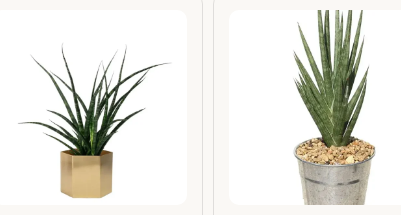
- Sansevieria cylindrica: Known for its cylindrical, spear-like leaves.
- Sansevieria hahnii (Bird’s Nest Snake Plant): A compact variety ideal for small spaces.
- Sansevieria moonshine: Displays silvery-green foliage with a soft sheen.
Selecting the right variety depends on personal preference and spatial constraints.
Ideal Growing Conditions
Despite its hardy nature, Sansevieria thrives best under certain conditions:
Light Requirements
Sansevieria adapts well to a range of lighting conditions, from low light to bright indirect sunlight. However, moderate light enhances its growth and coloration.
Watering Needs
Overwatering is the most common mistake. The plant prefers dry soil between watering cycles. During winter, watering should be further reduced.
Soil Type
Well-draining soil is essential. A cactus or succulent mix is highly recommended to prevent root rot.
Temperature and Humidity
Sansevieria prefers temperatures between 15°C and 30°C. It tolerates dry indoor air, making it suitable for air-conditioned environments.
Placement Tips for Maximum Impact
Strategic placement can enhance both the visual and functional benefits of Sansevieria:
- Living Room: Acts as a focal point in corners or near furniture.
- Bedroom: Improves air quality and promotes restful sleep.
- Office Spaces: Boosts productivity and adds a refreshing touch.
- Entryways: Creates a welcoming and sophisticated ambiance.
Its vertical structure makes it particularly effective in tight or underutilized spaces.
Common Problems and Solutions
Although Sansevieria is low-maintenance, certain issues may arise:
- Yellowing Leaves: Often caused by overwatering. Reduce watering frequency.
- Root Rot: Ensure proper drainage and avoid waterlogged soil.
- Slow Growth: May result from insufficient light. Relocate to a brighter area.
- Pest Infestation: Rare, but occasional mealybugs can be treated with neem oil.
Regular निरीक्षण and minimal care can prevent most of these issues.
Propagation Techniques
Sansevieria is easy to propagate, making it a cost-effective way to expand your plant collection:
Leaf Cuttings
Cut a healthy leaf into sections and place them in soil or water. Over time, new roots and shoots will develop.
Division Method
Separate the plant at the root level and repot the divisions individually. This method ensures faster growth.
Propagation not only multiplies your plants but also rejuvenates older specimens.
Sansevieria in Modern Interior Design
The versatility of Sansevieria extends beyond horticulture into the domain of design. Its clean lines and bold structure align perfectly with modern aesthetics. Designers ხშირად use it to:
- Create vertical accents
- Balance empty corners
- Add greenery without clutter
- Enhance minimalistic themes
Its understated elegance makes it a preferred choice in both residential and commercial interiors.
Conclusion
Sansevieria stands as a testament to the harmonious blend of functionality and beauty. Its resilience, coupled with its striking appearance, makes it an indispensable element in indoor environments. Whether enhancing air quality, elevating décor, or simplifying plant care, Sansevieria delivers on all fronts.
In a world where convenience often dictates choices, this remarkable plant offers an effortless way to reconnect with nature. Its presence is subtle yet impactful—transforming ordinary spaces into vibrant, life-filled environments.




 English
 Arabic
 French
 Spanish
 Portuguese
 Deutsch
 Turkish
 Dutch
Dutch
 Italiano
 Russian
 Portuguese (Brazil)
 Greek
Greek
