


Global White Pepper Trade: Sourcing Trends, Top Exporters, and Importers
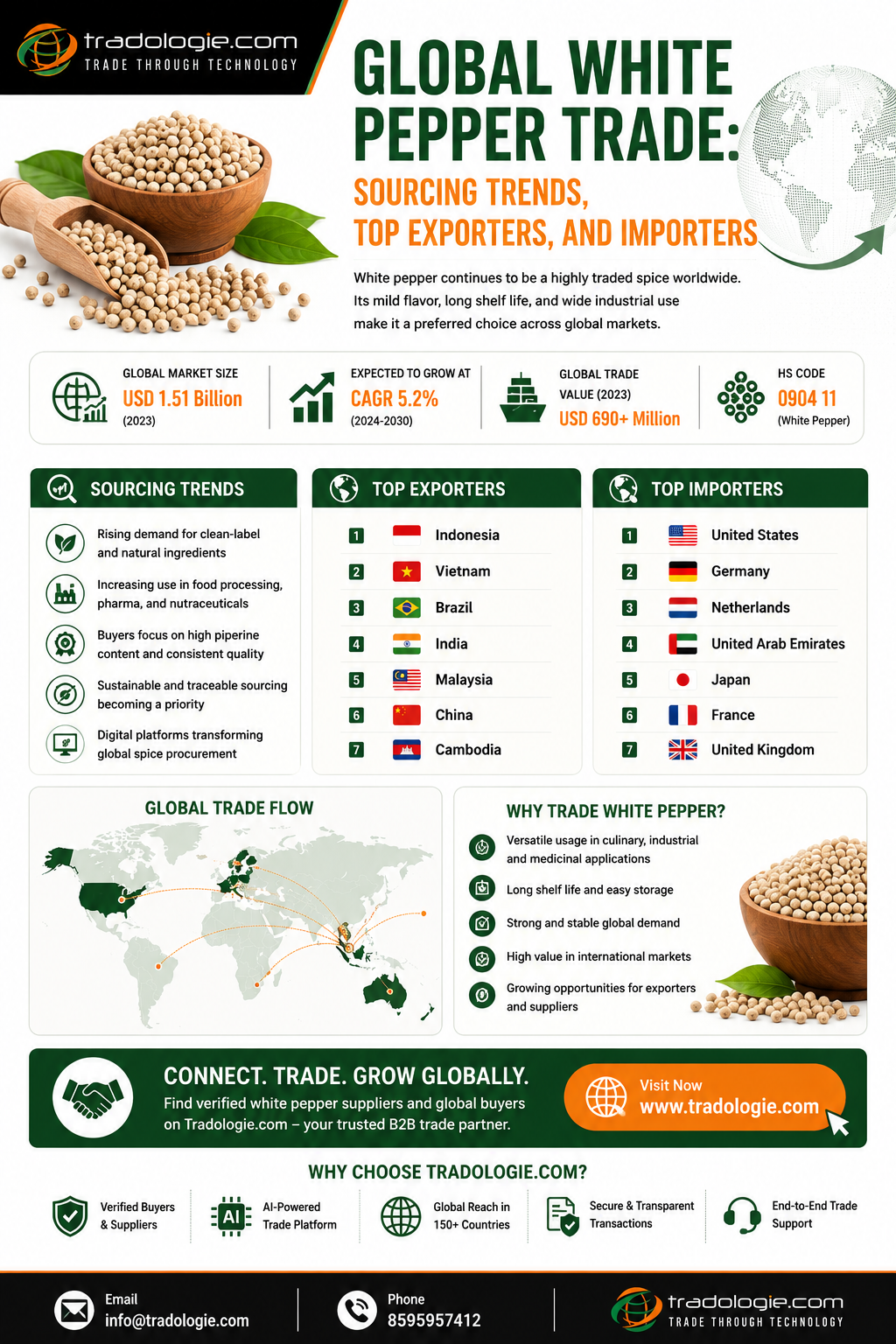
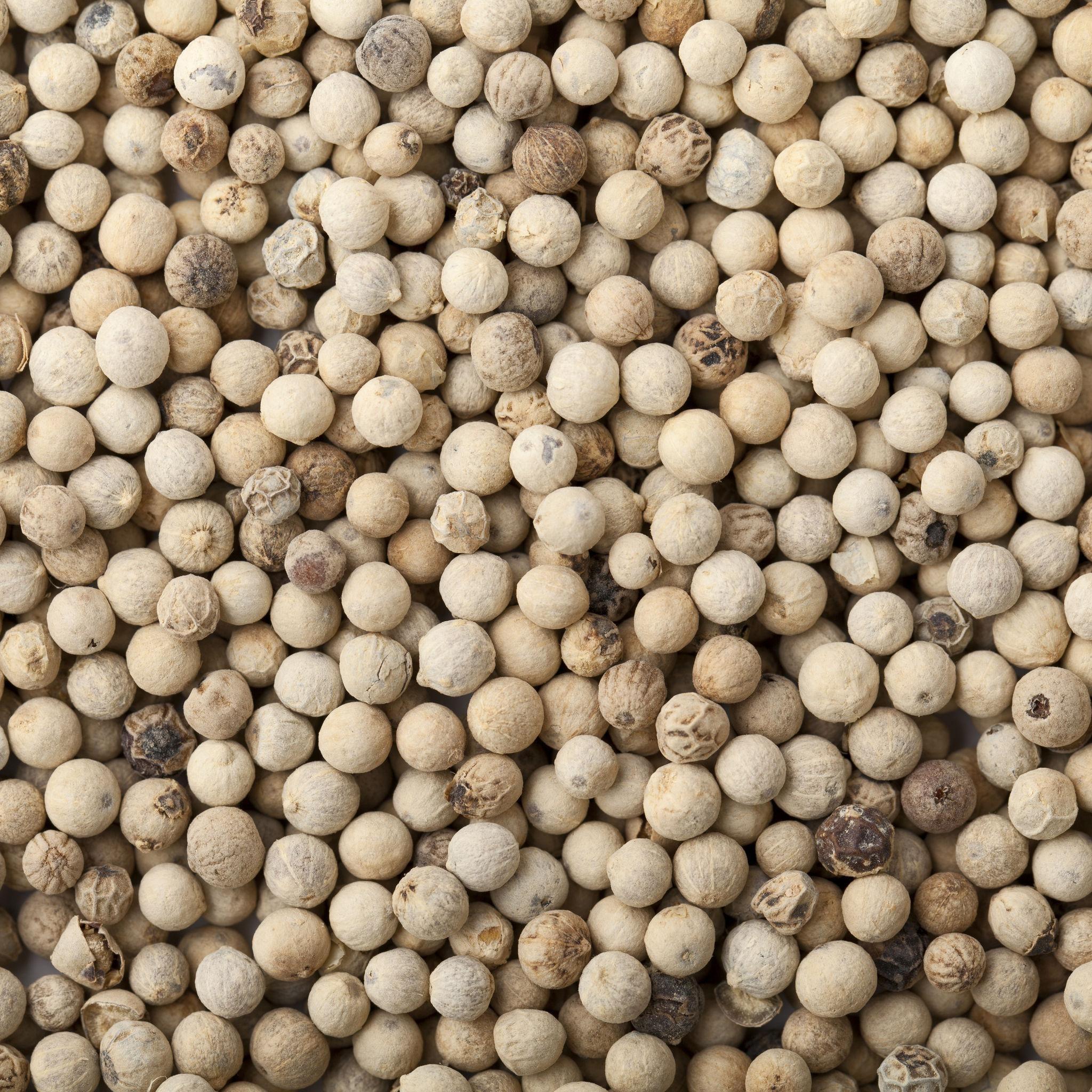
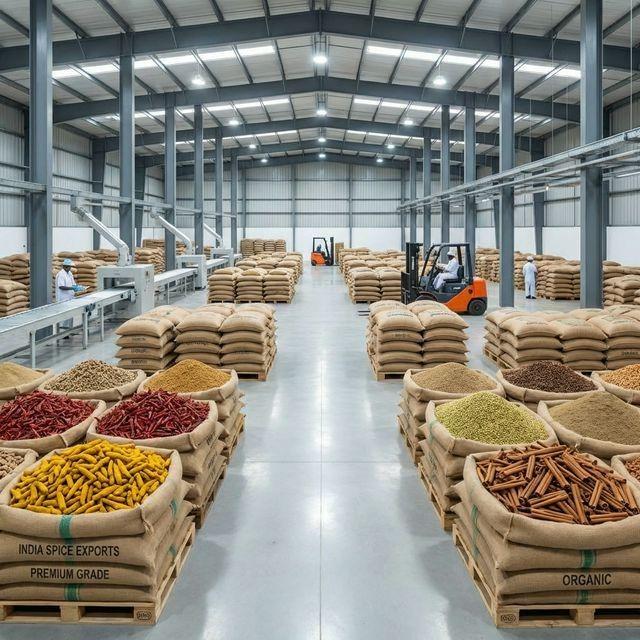

White pepper continues to be a valued commodity in the world spice trade.
The wide use of white pepper across the food processing, seasoning blends, packaged foods, pharmaceuticals, and hospitality industries ensures it continues to hold a prominent position in the global spice market. Black pepper is dried with the outer layer of the pepper berry still intact, while white pepper is made by removing this layer, giving it a milder flavor and a cleaner appearance. This processing requirement makes white pepper comparatively more premium and supply-sensitive.
The international trade in white pepper is concentrated in Asia, Europe, the Middle East, and North America, where the demand is driven by industrial food manufacturing and bulk spice purchase.
Global Sourcing Trends in White Pepper Trade
The last decade has witnessed a complete change in procurement patterns of white pepper due to change in consumption, modernization of supply chain and food manufacturing requirements.
One of the major trends is the increasing preference for processed and quality-standardized spices by industrial buyers. Food manufacturers today are focused on achieving consistent moisture content, color, microbial levels, and aroma profile, particularly in high-volume production settings.
Another key trend is the growth of direct B2B sourcing. Importers are looking to move away from fragmented intermediary networks to verified supplier ecosystems that provide more transparency and operational efficiency.
Sustainability and traceability are also gaining in relevance. Buyers in Europe and developed markets are increasingly seeking suppliers who can meet food safety compliance standards, residue testing requirements, and standardized packaging norms.
Digital procurement systems begin to change how buyers find suppliers, negotiate prices and manage the execution of international trade at the same time.
Top White Pepper Exporting Countries
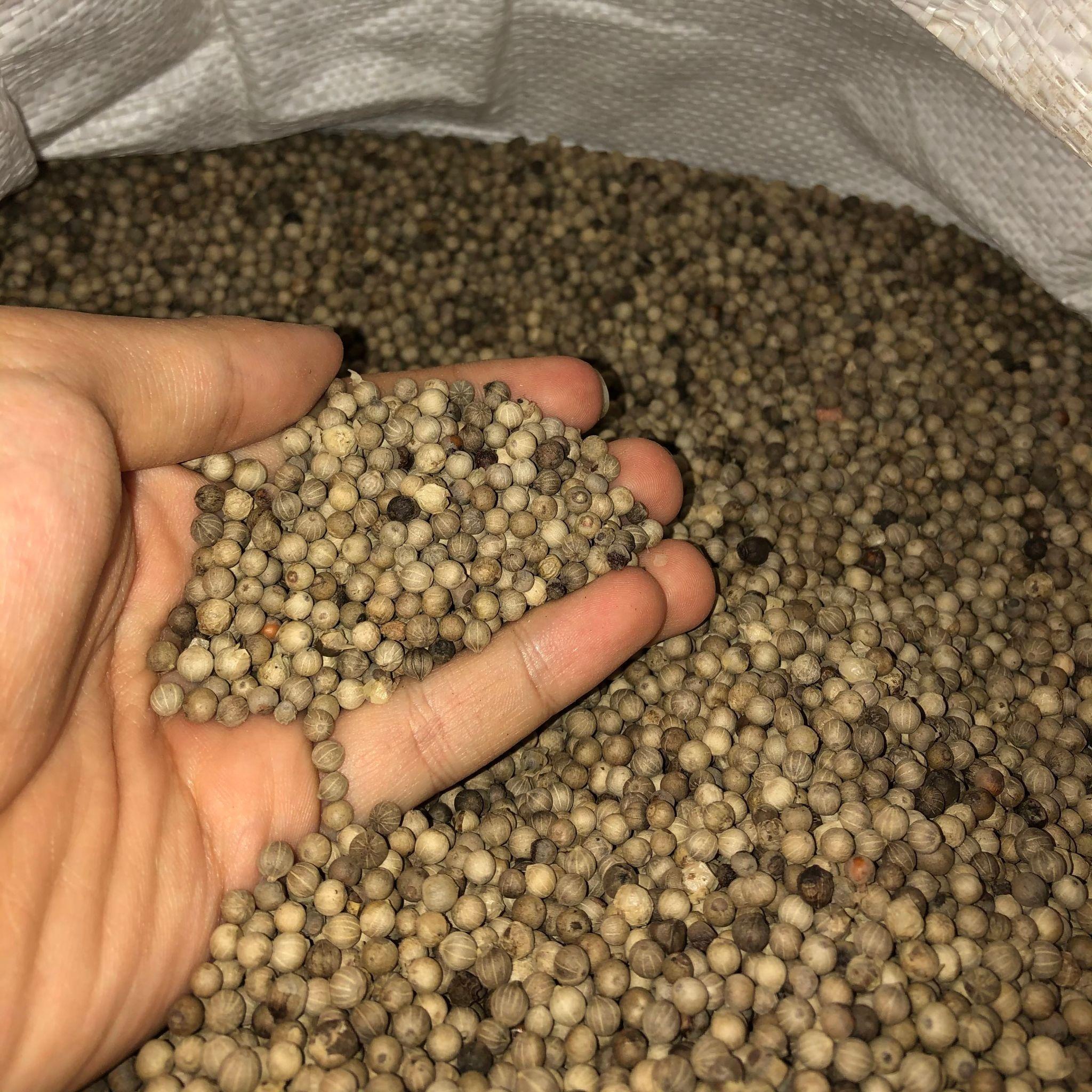
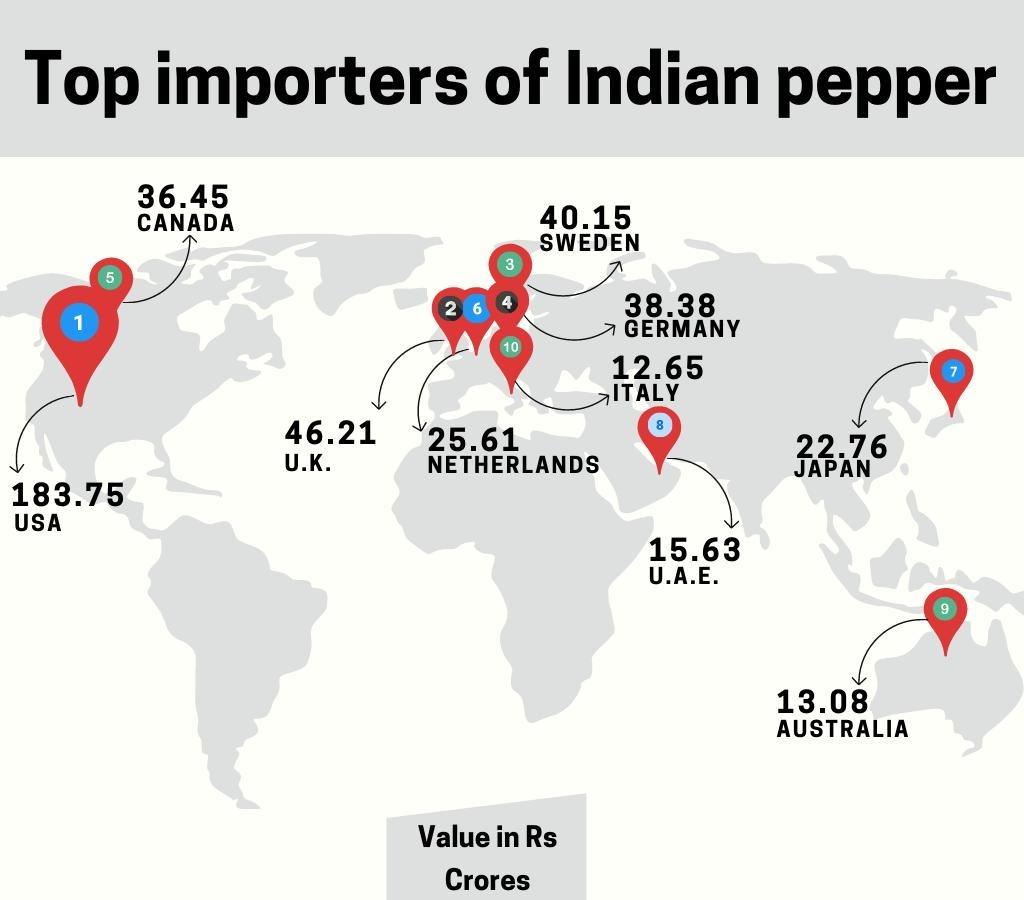
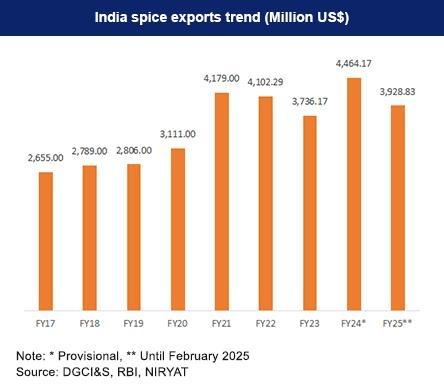
A few producer countries with well-developed spice processing ecosystems dominate the global white pepper export market.
Vietnam continues to be the world’s top exporter of pepper and a major supplier of white pepper to the world. The country has the benefit of large-scale production, competitive prices and a developed export infrastructure. Vietnamese suppliers dominate some high-volume international markets.
Indonesia is known for high grade white pepper. Particularly Muntok white pepper is highly considered in the international spice markets for its quality and flavor profile.
India continues to be a key player in the trade of white pepper due to its domestic production and spice processing capabilities. Indian white pepper exporters are famous for their value-added processing and diversified exports.
Malaysia, and in particular Sarawak, has become a producer of specialty varieties of pepper meeting high export standards.
Brazil in recent years has captured a larger share of global pepper exports due to increased production and competitive export prices.
Major White Pepper Importing Countries
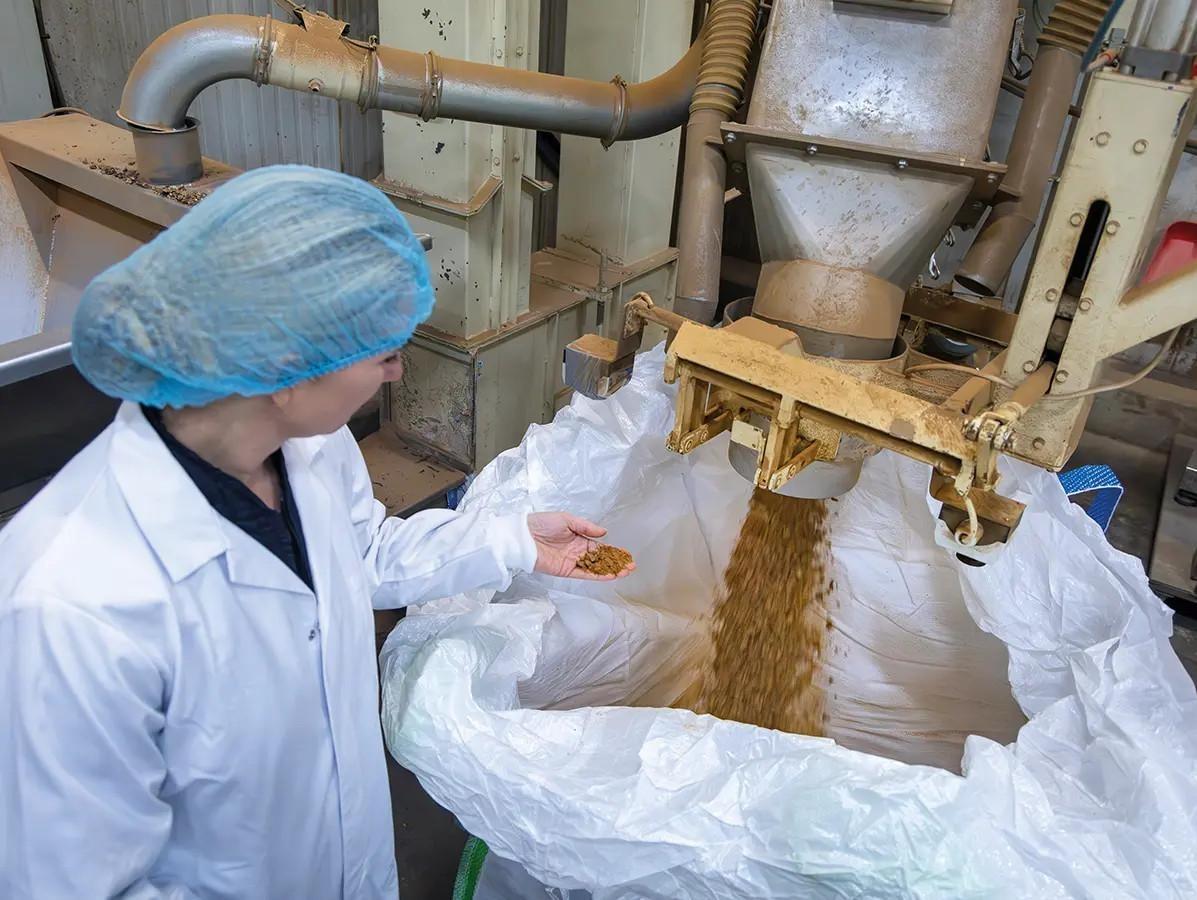
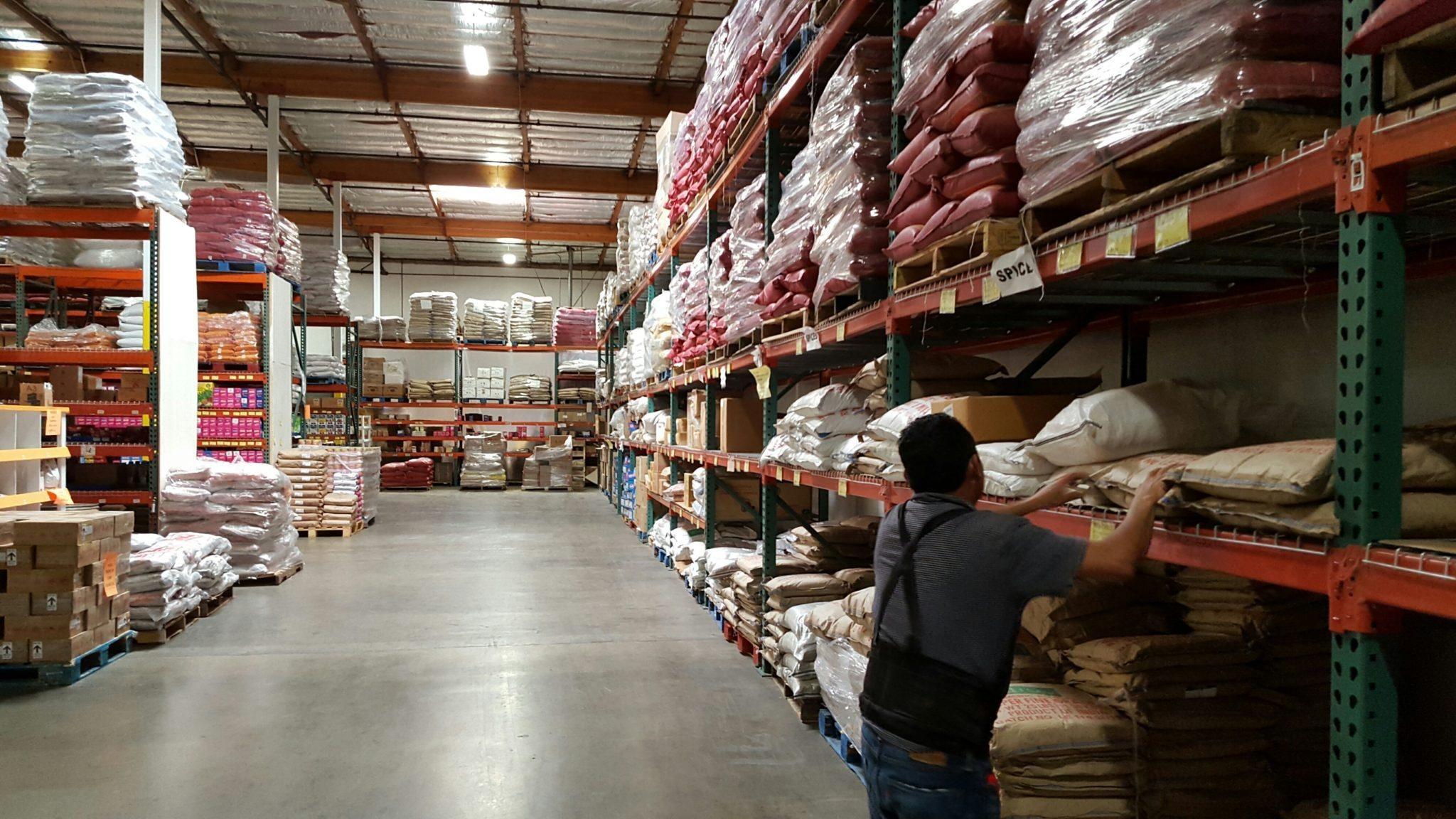
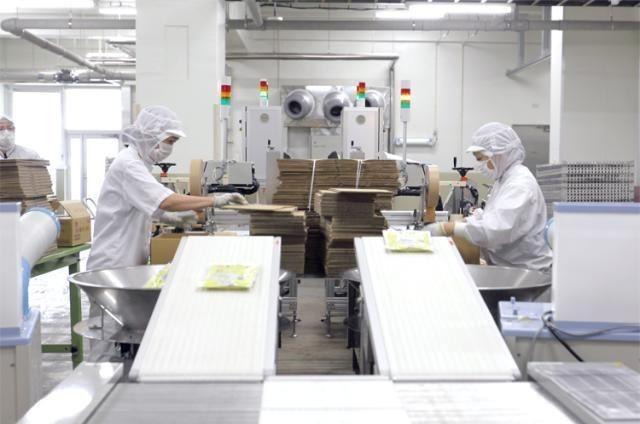
The demand for white pepper is geographically diversified, with imports driven mainly by industrial food production and retail spice consumption.
The United States is still one of the largest importers, with strong demand from the food processing, packaged foods, and hospitality industries.
Germany is a major spice consumer and redistribution centre for the rest of Europe.
The United Arab Emirates offers a strategic location as a re-export and distribution hub for the Middle East and African markets.
Netherlands is a major European hub for logistics and spice distribution.
China produces spices but imports white pepper for food manufacturing and regional trade applications.
Key Factors Influencing White Pepper Prices
Factors such as agricultural, logistical, and economic aspects influence the white pepper export price.
Supply availability is highly dependent on crop output in major producing countries. Weather disruptions, disease outbreaks and growing cycles can impact prices quickly all over the world.
Processing costs are higher for white pepper than for black pepper because of the need to soak the seeds and remove the outer layer.
Price volatility in international trade is driven by freight costs, currency swings and the way the world demands food.
Since white pepper is often bought in bulk by industrial buyers, even small price changes per metric ton can have a large impact on procurement budgets.
International White Pepper Procurement Challenges
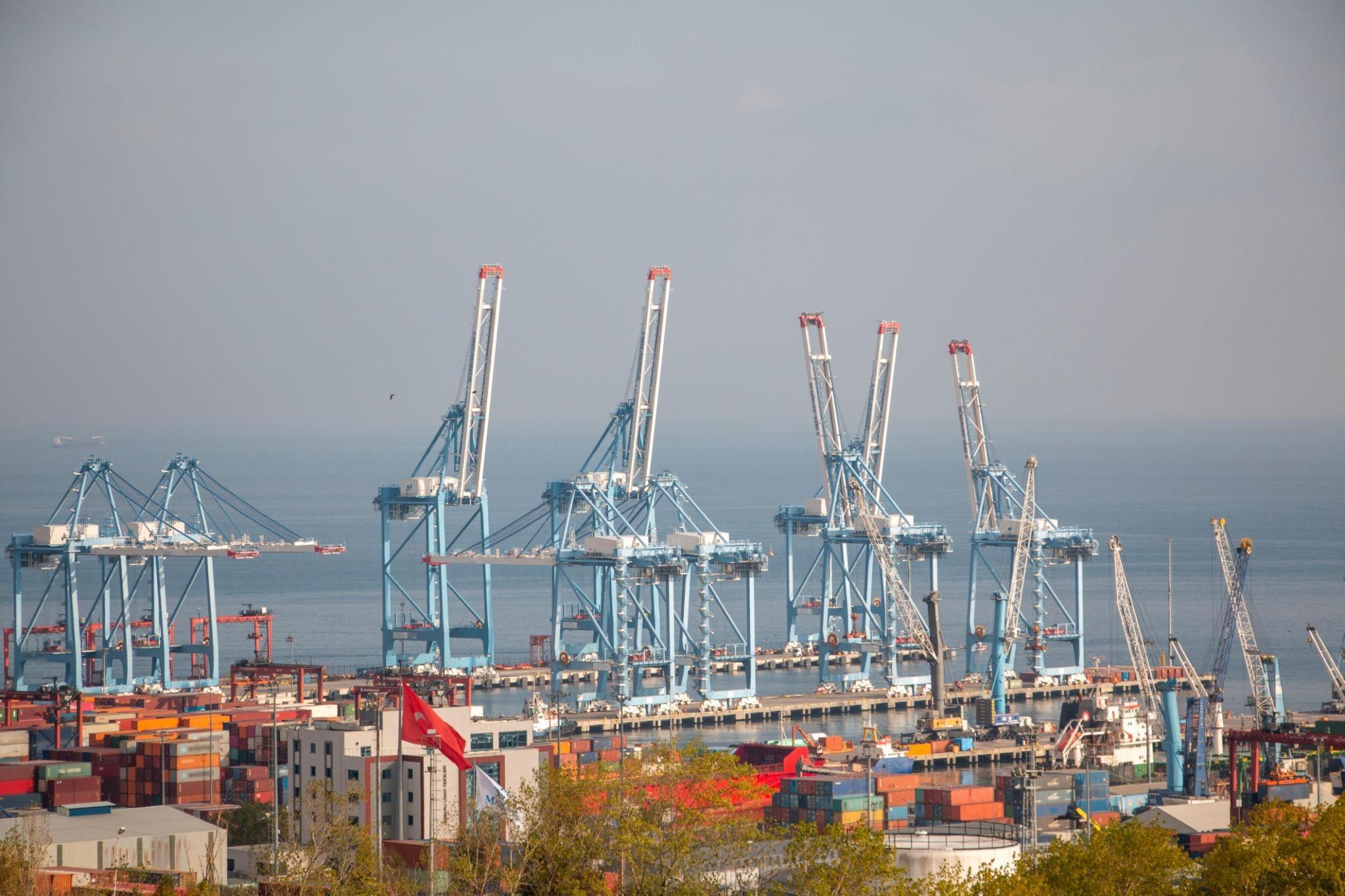


Although global demand is high, international white pepper procurement is operationally complex.
Importer issues frequently arise around the following:
-
Supplier verification and credibility assessment
-
Quality consistency across shipments
-
Documentation and compliance management
-
Logistics coordination and shipment delays
-
Price transparency during negotiations
Traditional procurement models often rely on intermediaries and manual communication, leading to inefficiencies and lack of visibility for buyers.
The Rise of Digital Procurement Ecosystems
As commodity trade globally becomes increasingly data-driven, digital procurement platforms are gaining importance in the spice trade sector.
Digital solutions like Tradologie.com are helping to standardize procurement by linking verified buyers and suppliers through structured digital workflows. These systems allow for transparent negotiations, centralised communication and smooth trade execution.
This means direct access to global demand for exporters. For importers, it decreases the risks of supplier discovery and improves procurement efficiency.
Ecosystems like this are becoming an essential part of modern commodity sourcing, with over 1 million global B2B participants relying on and actively working for their export and import businesses.
With procurement becoming more quality-focused and operationally complex, companies are turning to structured sourcing systems that focus on transparency, supplier validation and efficiency.

 English
 Arabic
 French
 Spanish
 Deutsch
 Turkish
 Dutch
Dutch
 Italiano
 Russian
 Romaian
 Portuguese (Brazil)
 Greek
Greek
